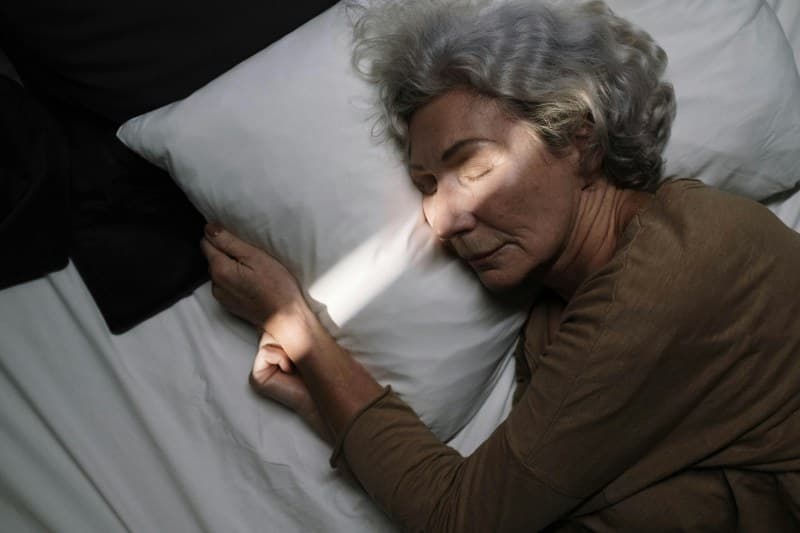
Last month, my friend Sarah pulled three back-to-back all-nighters to finish a work project. By the end, her usually glowing skin was dull, dotted with small breakouts, and felt tight like parchment. She swore she’d been using all her favorite skincare products—so why the sudden change? The answer? Sleep (or lack of it).
4 Surprising Ways Sleep Impacts Your Skin Health
1. Repairs Your Skin’s Protective Barrier
Your skin’s outer barrier keeps moisture in and irritants out. During deep sleep (the NREM3 stage), your body ramps up repair mode: it replaces damaged skin cells and strengthens this barrier. Without enough deep sleep, the barrier weakens—leading to dryness, sensitivity, and even eczema flare-ups. Sarah’s tight skin? That’s her barrier crying out for rest.
2. Boosts Collagen Production
Collagen is the protein that keeps your skin firm and wrinkle-free. REM sleep (the dream stage) triggers the release of growth hormone, which stimulates collagen synthesis. Skip REM sleep (common with late nights or fragmented rest) and your collagen levels drop over time. This is why long-term sleep deprivation can lead to premature fine lines.
3. Reduces Inflammation & Breakouts
Poor sleep raises cortisol, the stress hormone. High cortisol increases oil production and inflammation—two main culprits behind acne. Sarah’s breakouts? Directly linked to those all-nighters and the cortisol spike they caused. Even one night of bad sleep can make your skin more prone to redness or pimples the next day.
4. Regulates Skin Hydration
While you sleep, your skin balances its moisture levels. It retains water and flushes out excess toxins. Without enough sleep, this balance is thrown off: your skin loses more water, leading to dullness and flakiness. Ever woken up with a lackluster complexion after a short night? That’s dehydration from skipped sleep.
Not all sleep stages are equal when it comes to skin health. Here’s how each stage contributes:
| Sleep Stage | Skin Benefit |
|---|---|
| NREM 1 (Light Sleep) | Transition phase—minimal skin repair; body prepares for deeper sleep. |
| NREM 2 (Deepening Sleep) | Blood flow to skin increases, delivering nutrients and oxygen. |
| NREM3 (Deep Sleep) | Barrier repair, collagen synthesis, and cell regeneration peak. |
| REM (Dream Sleep) | Cortisol levels drop, reducing inflammation; hydration balance is restored. |
“A good laugh and a long sleep are the best cures in the doctor's book.” — Irish Proverb
This old saying isn’t just about general health—it applies to your skin too. Sleep is a free, natural skincare routine that works while you rest. You can layer on all the serums you want, but without enough sleep, they won’t be as effective.
Common Question About Sleep & Skin
Q: Is 8 hours the magic number for skin health?
A: Not exactly. It’s about quality over quantity. Some people thrive on 7 hours of uninterrupted sleep, while others need 9. What matters most is consistency: going to bed and waking up at the same time every day (even on weekends) helps your body maintain its repair rhythm. For example, 7 hours of deep, undisturbed sleep is better than 8 hours of tossing and turning.
Practical Tips to Sleep Better for Your Skin
- Stick to a schedule: Go to bed and wake up at the same time daily—this trains your body’s internal clock.
- Avoid screens before bed: Blue light from phones/TVs disrupts melatonin (the sleep hormone). Try reading a book or doing gentle stretches instead.
- Keep your bedroom cool: A temperature of 60-67°F (15-19°C) promotes deep sleep—perfect for skin repair.
- Use a silk pillowcase: Silk reduces friction on your skin, preventing wrinkles and breakouts caused by rubbing.
Next time you’re tempted to stay up late scrolling, remember: your skin is counting on that sleep. A few extra hours tonight could mean a brighter, healthier complexion tomorrow.