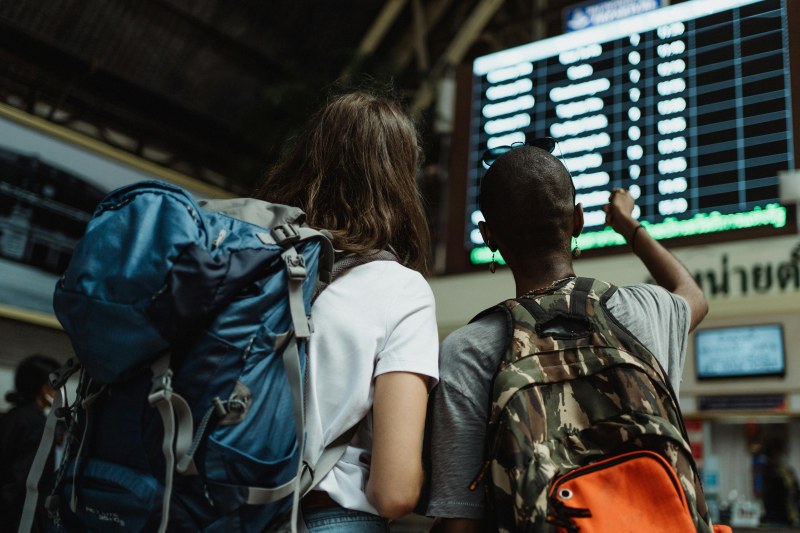
Last year, I found myself panicking in Tokyo’s Shibuya Station—staring at a maze of subway lines, my phone dying, and no clue how to get to my Airbnb. A kind local noticed my confusion and pulled out a small app called Bus Navi, showing me a direct bus that skipped the crowded subway. That moment taught me: local transport isn’t just about getting from A to B—it’s a way to connect with a city’s soul.
4 Local Transportation Hacks to Navigate New Cities Like a Pro
1. Ditch Generic Maps—Use Local Bus Apps 💡
Google Maps is great, but it often misses real-time delays or hidden routes that locals know. For example, in Seoul, the Naver Maps app gives detailed bus stop information, including exactly when the next bus will arrive. In Mumbai, Moovit (localized for Indian cities) alerts you to route changes due to festivals or traffic jams. These apps are usually free and easy to download—just search for “[city name] bus app” before your trip.
2. Embrace Shared Rickshaws/Tuk-Tuks 🚗
In cities like Bangkok or Delhi, tuk-tuks are more than transport—they’re a cultural experience. But negotiating fares can be tricky. A local tip: always agree on the price before getting in. For example, in Jaipur, a 10-minute ride should cost around 100-150 rupees. If a driver quotes double, smile and walk away—there’s always another one. And don’t forget to say “dhanyavaad” (thank you) in Hindi or “khob khun” in Thai—small gestures go a long way.
3. Rent a Bike for Small Cities 🚲
For flat, compact cities like Amsterdam or Kyoto, a bike is the best way to explore. You can rent one for as little as 10 euros a day, and you’ll avoid traffic jams while seeing hidden alleyways and local cafes. In Kyoto, many bike rental shops offer electric bikes—perfect for hilly areas. Just remember to follow local rules: in Amsterdam, bikes have the right of way, and you must use bike lanes.
4. Take a Local Ferry (If Available) ⛴️
Coastal cities like Istanbul or Bangkok have ferries that are cheap, scenic, and avoid road traffic. In Istanbul, the Bosphorus Ferry takes you from Europe to Asia in 20 minutes, with stunning views of the Hagia Sophia. In Bangkok, the Chao Phraya River Ferry is a great way to get to temples like Wat Arun without dealing with gridlock. Ferries usually run every 15-30 minutes, and tickets cost less than $2.
Here’s how each hack stacks up for different travel needs:
| Hack | Pros | Cons | Best For |
|---|---|---|---|
| Local Bus Apps | Real-time updates, cheap, covers most areas | Requires data, language barriers possible | Urban cities with complex public transport |
| Shared Rickshaws | Flexible, door-to-door, cultural experience | Need to negotiate, slower in traffic | Short trips in busy markets or narrow streets |
| Rent a Bike | Affordable, scenic, no traffic issues | Not ideal for hilly areas or bad weather | Small, flat cities with bike lanes |
| Local Ferry | Scenic, avoids road traffic, unique views | Limited routes, fixed schedules | Coastal or riverfront cities |
“The world is a book, and those who do not travel read only one page.” — Saint Augustine
This quote sums up why local transport matters: every bus ride, tuk-tuk trip, or ferry voyage adds a new page to your travel story. It’s not just about reaching your destination—it’s about the conversations you have with drivers, the sights you see along the way, and the feeling of being part of the city, not just a tourist.
Common Questions About Local Transport
Q: Is it safe to take shared rickshaws at night?
A: It depends on the city. In most tourist-friendly areas, it’s safe, but avoid traveling alone in isolated areas. Ask your hotel front desk for advice on safe routes and reliable drivers.
Q: How do I pay for local transport if I don’t have cash?
A: Many cities now accept contactless payments. For example, in Tokyo, you can use a Suica card (a rechargeable IC card) for buses, subways, and even convenience stores. In Europe, most buses accept credit cards. Always carry a small amount of local currency just in case.
Next time you travel, skip the taxi and try one of these hacks. You’ll save money, reduce stress, and get a true taste of the city’s culture. After all, the best travel memories aren’t from the tourist spots—they’re from the unexpected moments on a local bus or ferry.