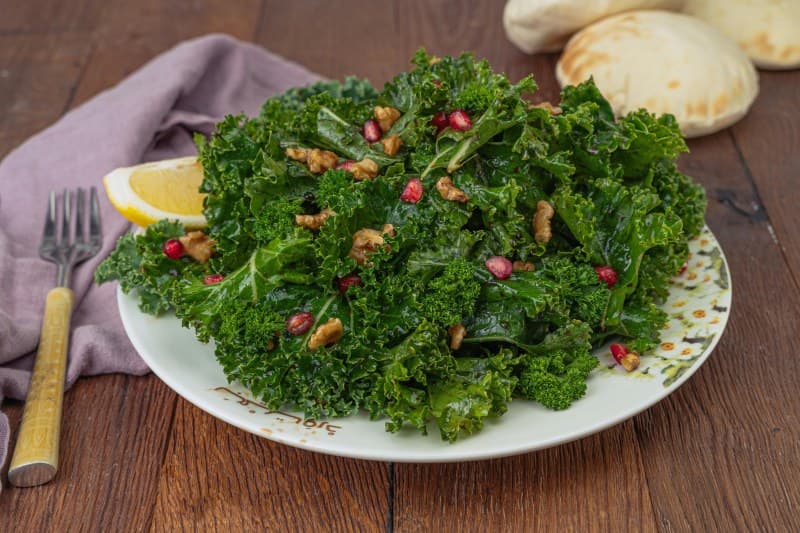
Last summer, I grabbed a fancy store-bought vinaigrette for a picnic kale salad. It was cloyingly sweet, with a weird artificial aftertaste that ruined the whole dish. That day, I decided to stop wasting money on pre-made dressings and try making my own. Turns out, it’s way simpler than I thought— and the results are way more flavorful. Today, I’m sharing 4 hacks that’ll turn your salad dressings from “meh” to “wow.”
1. Nail the Acid-Fat Ratio 💡
Most dressings live or die by the balance between acid (vinegar, lemon, lime) and fat (oil). A safe starting point is 1 part acid to 3 parts fat. For example, 1 tablespoon of balsamic vinegar + 3 tablespoons of olive oil. Too much acid? Your greens will taste sharp and bitter. Too much fat? It’ll feel heavy and greasy. I once messed up by using equal parts lemon and oil— my arugula salad tasted like a lemonade bomb. Oops.
2. Add Umami for Depth 🍄
Umami (the “fifth taste”) is the secret to making dressings feel satisfying, not just tangy. A dash of umami can turn a basic vinaigrette into something memorable. Try 1 tsp of miso paste, 1 tbsp of soy sauce, or a pinch of nutritional yeast. Last week, I made a kale salad with a miso-tahini dressing: 1 tsp white miso, 2 tbsp tahini, 1 tbsp lemon juice, 3 tbsp olive oil, and a splash of water. My friend asked if I’d bought it from a local café— win!
3. Fresh Herbs Beat Dried Every Time 🌿
Dried herbs work for soups, but fresh herbs bring brightness and life to dressings. Chop up basil, cilantro, dill, or parsley and toss them in. I once substituted dried oregano for fresh in a Greek dressing— it tasted like a spice rack, not a garden. Fresh herbs also add a pop of color, making your salad look as good as it tastes.
4. Emulsify to Avoid Separation 🥣
Emulsifying means mixing oil and water-based ingredients (like vinegar) so they don’t separate into a pool of oil at the bottom of your bowl. You can do this by shaking in a sealed jar (my go-to) or whisking vigorously. For extra creaminess, add a bit of mustard or honey— they act as natural emulsifiers. I used to skip this step, and my dressing would separate mid-salad. No more!
Not sure which oil to pick for your dressing? Here’s a quick comparison:
| Oil Type | Pros | Cons | Best Pairings |
|---|---|---|---|
| Extra Virgin Olive Oil | Rich, fruity flavor; healthy monounsaturated fats | Strong taste (may overpower delicate greens like lettuce) | Balsamic vinegar, tomatoes, mozzarella |
| Avocado Oil | Mild, buttery flavor; high smoke point | More expensive than other oils | Lemon juice, cilantro, avocado or quinoa salads |
| Sesame Oil | Nutty, aromatic; adds Asian flair | Strong (use sparingly— 1 tsp goes a long way) | Soy sauce, ginger, cabbage or carrot salads |
| Sunflower Oil | Neutral taste; affordable and versatile | Less flavor than other options | Any acid (great for all-purpose dressings) |
“Cooking is like love; it should be entered into with abandon or not at all.” – Harriet Van Horne
This quote sums up my approach to homemade dressings. You don’t need to be a chef— just experiment. Even if you add too much mustard or forget the salt, you can always adjust. The best dressings come from trial and error.
Quick FAQ: Do I Need to Refrigerate Homemade Dressings? 🤔
Q: I made an oil-and-lemon dressing— can I leave it out on the counter?
A: It depends. Dressings with dairy (yogurt, buttermilk) or fresh ingredients (garlic, herbs) should be refrigerated and used within 3-5 days. Oil-and-vinegar dressings can stay out for a few hours (like at a picnic), but refrigeration will keep them fresh longer. Pro tip: Label your dressing jar with the date you made it!
Once you start making your own dressings, you’ll never go back to store-bought. These hacks are simple, affordable, and make every salad feel like a special treat. Give them a try— your taste buds will thank you!