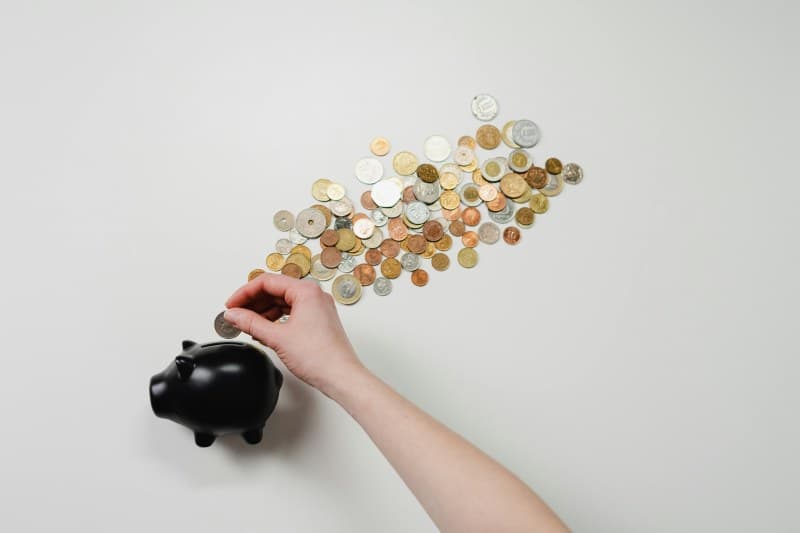
Let’s talk about Sarah: she makes $3,000 a month, wants to save $500 each, but by the end of every month, she’s left with just $100. She blames herself for being ‘bad with money’—but the truth is, hidden psychological barriers are holding her back. These barriers aren’t flaws; they’re wired into how our brains work. Let’s break them down.
The 4 Hidden Psychological Barriers
1. The ‘Future Discounting’ Trap
Our brains value present rewards way more than future ones. For Sarah, buying a $5 latte today feels better than putting that $5 toward a vacation next year. This is called future discounting—we discount the value of future goals because they feel distant.
2. The ‘Status Quo Bias’
We love sticking to what’s familiar, even if it’s not good for us. Sarah has had the same savings account since college, which pays 0% interest. She knows she should switch to a high-yield account, but the thought of filling out paperwork feels too much. So she stays put.
3. The ‘Pain of Paying’ Effect
Using cash hurts—you can see the money leaving your hand. But with cards? It’s just a number on a screen. Sarah uses her credit card for groceries and small treats, so she doesn’t feel the immediate pain of spending. This makes her spend more without noticing.
4. The ‘Mental Accounting’ Mistake
We assign different values to money based on where it comes from. Sarah splurges on a $200 dress with her tax refund (she thinks of it as ‘extra’ money) but won’t spend $50 from her monthly salary on a book. Even though it’s the same currency, her brain treats it differently.
How to Overcome These Barriers: A Quick Guide
Here’s a breakdown of each barrier, its fix, and a real-life example:
| Barrier | Practical Fix | Real-Life Example |
|---|---|---|
| Future Discounting | Visualize your future goal daily (e.g., a photo of your dream vacation on your phone). | Sarah sets her lock screen to a picture of a beach in Bali—every time she reaches for her credit card, she remembers her goal. |
| Status Quo Bias | Set up auto-transfers to savings so you don’t have to think about it. | Sarah schedules a $200 transfer to her high-yield savings account the day after she gets paid. It’s automatic, so she doesn’t have to make a choice. |
| Pain of Paying | Use cash for daily expenses (groceries, coffee) to feel the cost. | Sarah withdraws $100 cash each week for small purchases. When it’s gone, she stops spending. |
| Mental Accounting | Label your savings accounts (e.g., ‘Vacation 2024’ instead of ‘Savings’). | Sarah renames her savings account to ‘Bali Trip’—now, she thinks twice before dipping into it for impulse buys. |
“The best time to plant a tree was 20 years ago. The second best time is now.” — Chinese Proverb
This proverb hits home for anyone struggling with future discounting. Even if you haven’t saved a dollar yet, starting today is better than waiting for ‘the perfect time.’ Sarah started small—$50 a month at first—and built up from there.
FAQ: Common Question About Saving Barriers
Q: I don’t make a lot of money—do these psychological barriers still apply to me?
A: Absolutely. Even if you’re living paycheck to paycheck, these barriers can stop you from saving small amounts. For example, skipping one $3 coffee a week saves $156 a year. The fixes work for any income level—you just scale them to fit your budget.
Sarah’s story has a happy ending: after three months of using these fixes, she had $1,200 saved for her Bali trip. She didn’t have to make huge sacrifices—she just outsmarted her brain’s natural tendencies. The key is to understand these barriers, then use simple tricks to work around them.