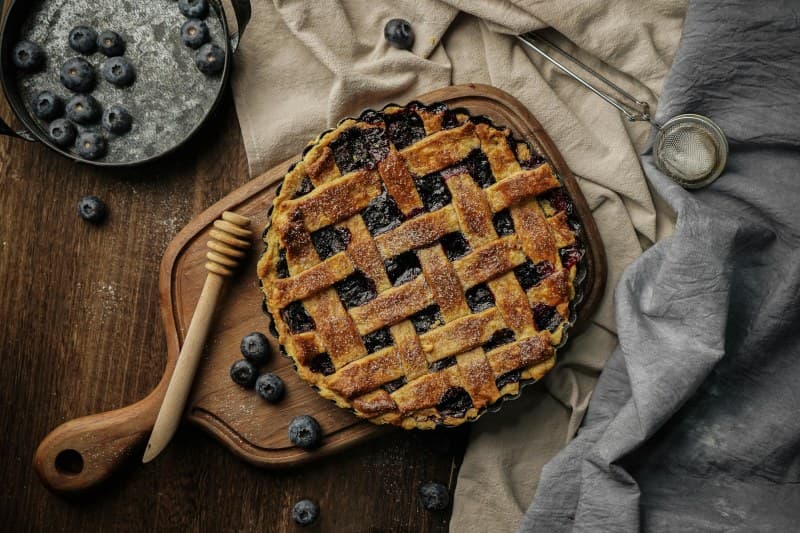
Last Thanksgiving, I spent three hours making a pumpkin pie from scratch. The filling was creamy, spiced just right—but the crust? It was as tough as a cracker. I thought I’d followed the recipe to the letter, but something was off. Turns out, I’d fallen for one of the common pie crust myths that ruin even the most careful bakes.
Why Flaky Pie Crust Is Non-Negotiable
Flaky crust is the backbone of any great pie. It’s the contrast between the crisp, layered exterior and the soft filling that makes each bite memorable. As Julia Child once said:
“The only real stumbling block is fear of failure. In cooking, you’ve got to have a what-the-hell attitude.” But when it comes to pie crust, fear of failure often comes from believing myths that set you up for disappointment.
6 Pie Crust Myths Debunked
Let’s bust the lies that keep your crust from being flaky:
- Myth 1: You need to use cold water only—Actually, ice water helps keep butter solid, but some bakers use a mix of cold water and vodka (it evaporates faster, leaving more layers).
- Myth 2: Overworking the dough is the only way to ruin it—Underworking can also be a problem; you need to mix just enough to form a dough without overdeveloping gluten.
- Myth 3: All fats are equal—Butter gives flavor and flakiness; shortening gives more flakiness but less flavor; lard is somewhere in between.
- Myth 4: You should roll the dough in one direction only—Rolling in multiple directions is fine as long as you don’t overwork it.
- Myth 5: Pricking the crust isn’t necessary—Pricking prevents air bubbles from forming, which can cause the crust to puff up and crack.
- Myth 6: You can skip chilling the dough—Chilling relaxes gluten and keeps butter solid, so layers stay intact during baking.
Crust Texture Comparison
Not sure what texture you’re aiming for? Here’s a quick breakdown:
| Texture | Cause | Fix |
|---|---|---|
| Flaky | Butter pieces melt, creating layers | Use cold butter, chill dough, don’t overwork |
| Tender | Low gluten development | Use less water, avoid overmixing |
| Tough | Overworked gluten or warm butter | Chill dough, use cold ingredients, stop mixing once dough forms |
| Soggy | Moist filling seeps into crust | Blind bake, use an egg wash barrier |
Pro Tips for Perfect Flaky Crust
Now that you know the myths, here are some pro tips to get it right:
- Use cold butter (cut into small cubes) so it doesn’t melt before baking.
- Blind bake the crust for savory pies or those with wet fillings (like pumpkin) to prevent sogginess.
- Add a pinch of salt to enhance flavor—even in sweet pies.
- Roll the dough between two sheets of parchment paper to avoid sticking and overworking.
FAQ: Your Pie Crust Questions Answered
Q: Can I use margarine instead of butter for flaky crust?
A: Margarine can work, but it often has added water which can make the crust less flaky. For best results, stick to unsalted butter or a mix of butter and shortening.
Q: How long should I chill the dough?
A: At least 30 minutes in the fridge, but overnight is even better. This gives the gluten time to relax and the butter to firm up.
Next time you’re making a pie, remember these tips and myths. With a little practice, you’ll be serving flaky, golden crusts that make everyone ask for seconds. Happy baking! 🍰