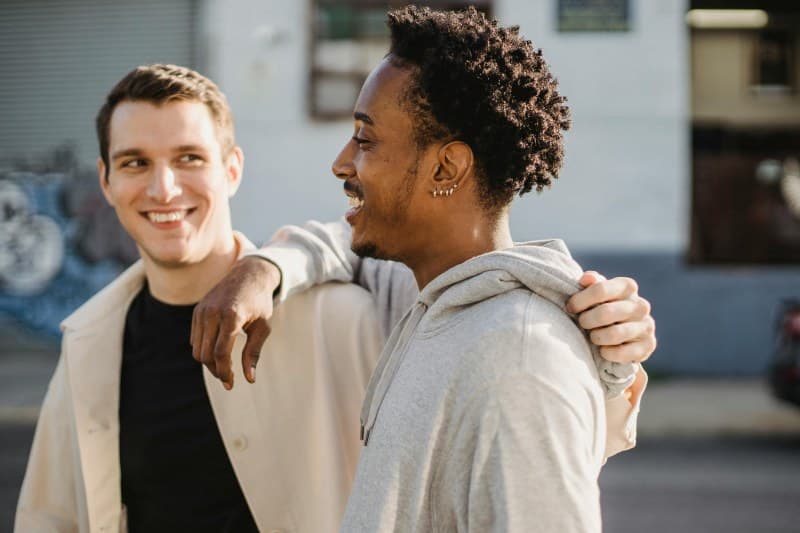
Have you ever looked at a friend’s text and hesitated to reply, not because you don’t care, but because you’re not sure what to say? Or noticed that your weekly coffee chats have turned into quick ‘how are you?’ exchanges with no real depth? Communication gaps in friendships are more common than we think—and they don’t have to mean the end of the bond.
Why Communication Gaps Happen
Life gets busy. Work deadlines, family commitments, and personal struggles can take up our mental space, leaving little room for the nuanced chats we used to have. Sometimes, we assume our friends know how we feel, so we don’t say it. Other times, fear of conflict keeps us from bringing up small issues that eventually grow into bigger gaps. Different communication styles (like one person being direct and the other passive) can also lead to misunderstandings.
4 Gentle Ways to Bridge the Gap
Low-Pressure Check-In 💬
Start small. Instead of a long, heavy message, send something light that reminds them you’re thinking of them. For example: ‘Saw this cat meme and immediately thought of you—remember when we rescued that stray last summer?’ This takes minimal effort and doesn’t put pressure on them to reply with a deep update. It’s a gentle way to rekindle the connection without overwhelming them.
Active Listening Session 🧘
Set aside 30 minutes to talk—no distractions, no problem-solving. Tell your friend: ‘I want to hear how you’ve been lately, and I promise I won’t try to fix anything.’ Let them lead the conversation. Active listening means nodding, paraphrasing what they say (e.g., ‘It sounds like that project at work has been really stressful’), and avoiding interruptions. This helps them feel seen and heard, which can break down walls.
Share a Vulnerable Moment 🫂
Vulnerability begets vulnerability. If you’ve been struggling with something small (like feeling overwhelmed by house chores or missing a hobby), share it with your friend. For example: ‘I’ve been feeling a bit off lately— I miss our weekend hikes. Do you ever feel like life gets in the way of the things we love?’ This invites them to open up too, creating a safe space for honest conversation.
Do a Shared Activity 🎨
Sometimes, talking isn’t the easiest way to connect. Plan a low-key activity you both used to enjoy—like baking cookies, going for a walk, or watching a favorite movie. The shared experience can spark natural conversation without feeling forced. For example, if you both love gardening, invite them over to plant some herbs. The act of working together can help bridge the gap without words.
How to Choose the Right Approach
Here’s a quick breakdown of the 4 ways to help you pick what works best for your friendship:
| Approach | Effort Level | Time Commitment | Emotional Risk | Best For |
|---|---|---|---|---|
| Low-Pressure Check-In | Low | 5 minutes | Very Low | Friends you haven’t talked to in a while |
| Active Listening Session | Medium | 30-60 minutes | Medium | Friends going through a tough time |
| Share a Vulnerable Moment | Medium | 10-15 minutes | Medium | Close friends with a history of trust |
| Shared Activity | Medium-High | 1-2 hours | Low | Friends who prefer doing things over talking |
“The single biggest problem in communication is the illusion that it has taken place.” — George Bernard Shaw
This quote hits home because so many gaps start when we think we’ve communicated, but we haven’t. For example, assuming your friend knows you’re busy instead of telling them directly can lead to hurt feelings. Shaw’s words remind us to be intentional about our communication—don’t assume, ask.
A Story of Reconnection
My friend Lila and I had a communication gap for months. We used to talk every day, but then she got a new job and I started grad school. Our texts became shorter, and we stopped making plans. I assumed she was too busy to care, and she thought I was ignoring her. One day, I sent her a photo of the bookstore we used to visit together with the caption: “Found this old poetry book we loved—made me think of you.” She replied within minutes, saying she’d been missing me too but was scared to reach out. We planned a coffee date, and during our chat, we realized we’d both been making assumptions. Using the active listening approach, we talked about our busy lives and how we wanted to make time for each other. Now, we have a monthly “no-phone” coffee date, and our bond is stronger than ever.
Common Questions
Q: What if my friend doesn’t respond to my efforts?
A: Don’t take it personally. People have different ways of processing things. Give them space, but try again in a week or two with another low-pressure check-in. If they still don’t respond, it might be time to accept that the friendship is changing—but most of the time, a little patience goes a long way.
Q: Is it okay to bring up the communication gap directly?
A: Yes, but do it gently. Instead of saying “You never talk to me anymore,” try: “I’ve missed our chats—would you have time to catch up soon?” This frames the conversation as a desire to connect, not a complaint.
Communication gaps in friendships are normal, but they don’t have to be permanent. With a little intentionality and the right approach, you can bridge the gap and strengthen your bond. Remember: small, consistent efforts often mean more than grand gestures. So pick one of the ways above, reach out to your friend, and see where it takes you.