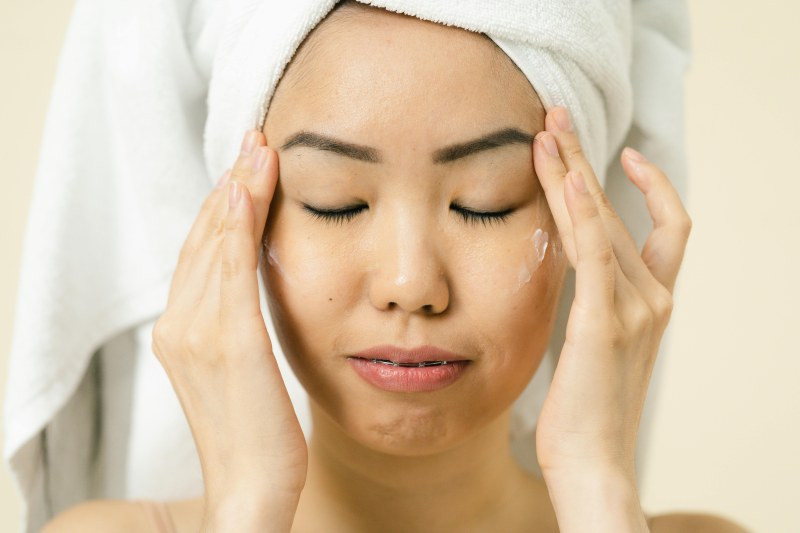
If you’ve ever stared at a shelf of face oils wondering which one won’t make your skin feel greasy or break out, you’re not alone. Face oils get a bad rap for being heavy, but the right one can balance your skin, lock in moisture, and give you that coveted dewy glow. Let’s break down 4 face oils that work for every common skin type—plus exactly how to use them so you get the most out of each drop.
4 Face Oils for Every Skin Type
Each oil has unique properties that cater to specific skin needs. Here’s a quick breakdown of our top picks:
| Oil Name | Best For Skin Type | Key Benefits | Quick Application Tip |
|---|---|---|---|
| Jojoba Oil | Combination | Mimics skin’s natural sebum; balances oily T-zone and hydrates dry cheeks | Apply 2 drops to damp skin after toner |
| Rosehip Seed Oil | Dry/Maturing | Rich in vitamin A; reduces fine lines and repairs dry patches | Mix 1 drop with moisturizer for extra hydration |
| Tea Tree Oil | Oily/Acne-Prone | Antibacterial; calms breakouts and controls excess oil | Dilute 1 drop with 3 drops of jojoba oil before applying to blemishes |
| Calendula Oil | Sensitive/Irritated | Anti-inflammatory; soothes redness and eczema | Apply 1-2 drops to clean, dry skin (no layering if skin is very sensitive) |
How to Apply Face Oils Like a Pro
Morning vs. Night
Morning: Stick to a light oil like jojoba. Apply 1-2 drops to damp skin after your serum, then follow with sunscreen. This locks in moisture without making your skin feel heavy under makeup.
Night: Go for richer oils like rosehip or calendula. Apply 2-3 drops after your toner and serum—this is when your skin repairs itself, so the oil will work overtime to nourish.
Layering Rules
Remember: Water-based products first, then oil. Oils seal in moisture, so if you apply them before your serum or toner, those products won’t absorb as well. For example: Toner → Serum → Oil → Moisturizer (if needed).
Myths About Face Oils (Busted)
Myth 1: Oils clog pores
Truth: Non-comedogenic oils (like jojoba and tea tree) won’t block pores. They actually help regulate your skin’s natural sebum production, so you’re less likely to get breakouts from excess oil.
Myth 2: Oily skin doesn’t need oil
Truth: Oily skin often lacks hydration, which makes it produce more oil to compensate. A light oil like tea tree can balance sebum and calm breakouts without adding greasiness.
Myth 3: You only need one oil
Truth: If you have combination skin (oily T-zone, dry cheeks), mix jojoba (for T-zone) and rosehip (for cheeks) for targeted care. Just a drop of each is enough!
Face oils aren’t one-size-fits-all, but with these 4 options, you’re sure to find one that fits your skin’s needs. Give them a try—your glow will thank you.