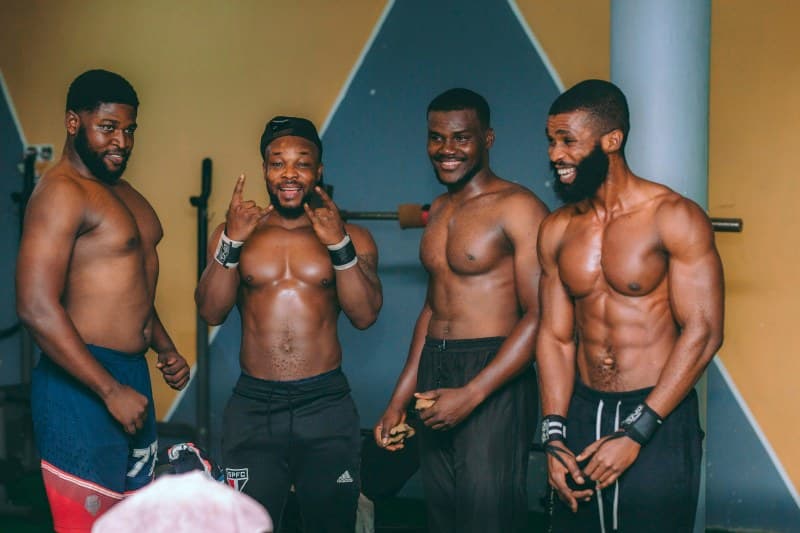
Let’s start with Mia’s story: She wanted to get stronger but avoided weights because she thought they’d make her “bulky.” For months, she stuck to cardio, but her energy levels stayed low and she didn’t see the toning she wanted. Then a trainer told her the truth—those myths were holding her back. If you’ve ever hesitated to pick up a dumbbell or try a push-up, you’re not alone. Let’s break down the 4 most common myths keeping beginners from strength training.
The 4 Myths Holding You Back
Myth 1: Lifting Weights Will Make You Bulky
This is the biggest myth out there. Bulking up requires a specific combination of heavy weights, high-calorie diets, and often, genetic factors (like higher testosterone levels). For most beginners, strength training will build lean muscle, boost metabolism, and give you a toned look—not a bulky one. Mia tried bodyweight squats and push-ups for 8 weeks and noticed her legs got firmer and her arms more defined, without any bulk.
Myth 2: You Need a Gym Membership to Build Strength
You don’t need fancy equipment to get strong. Bodyweight exercises like squats, lunges, push-ups, and planks are powerful tools. Even household items—like water bottles or a backpack filled with books—can act as weights. Mia started with 10-minute home workouts using just her body and a chair for support, and she saw progress in a month.
Myth3: Strength Training Is Only for Young People
Strength training is beneficial for everyone, regardless of age. For older adults, it helps maintain muscle mass (which naturally decreases with age), improves balance, and reduces the risk of falls. A 2021 study found that adults over 65 who did strength training twice a week had 30% better mobility than those who didn’t. You’re never too old to start.
Myth4: You Have to Work Out Every Day to See Results
Consistency beats frequency. Most experts recommend 2-3 strength training sessions per week, with rest days in between. Muscles grow during rest, not during workouts. Mia worked out 3 times a week, and her progress was steady—she could do 15 push-ups after 3 months, up from 2 initially.
Myth vs. Fact: A Quick Comparison
Let’s sum up the key takeaways in a table:
| Myth | Fact | Key Takeaway |
|---|---|---|
| Lifting weights makes you bulky | Bulking needs specific diet and heavy weights; beginners get toned lean muscle | Don’t fear weights—they’ll help you get strong, not bulky |
| You need a gym membership | Bodyweight exercises or household items work great for beginners | Start at home with what you have |
| Strength training is for young people | It’s beneficial for all ages (improves mobility and balance for older adults) | Age is no barrier to getting stronger |
| Work out every day to see results | 2-3 sessions/week with rest days is enough | Rest is part of the process—muscles grow when you recover |
A Word of Wisdom
“We are what we repeatedly do. Excellence, then, is not an act, but a habit.” — Aristotle
This quote applies perfectly to strength training. You don’t need to do hour-long workouts every day—small, consistent efforts add up. Mia’s 10-minute daily sessions (3 times a week) turned into a habit, and that’s what made the difference.
Quick Q&A for Newbies
Q: I’m a total beginner—should I start with heavy weights or light ones?
A: Start with light weights (or bodyweight) to master proper form. Bad form can lead to injury, so focus on technique first. Once you’re comfortable, gradually increase the weight or difficulty (like adding a jump to squats).
Getting Started: Simple Steps
Ready to start? Here are 3 easy steps:
1. Pick 3-4 exercises: Try squats, push-ups (knee push-ups if needed), planks, and lunges.
2. Do 2-3 sets: 10-15 reps per set, with 30 seconds rest between sets.
3. Be consistent: Aim for 2-3 sessions a week, and track your progress (like how many push-ups you can do).
Remember, strength training is a journey. Mia didn’t see results overnight, but after 3 months, she felt stronger, more confident, and even had more energy for her daily tasks. Don’t let myths hold you back—give it a try!