Ever walked through a bustling market in a foreign city, watching locals laugh over street food or fold laundry together, and felt like an outsider? You’re not alone. Most travelers want to go beyond tourist spots, but figuring out how to connect with locals can feel tricky. Let’s break down two unexpected ways to turn strangers into friends—no fancy plans required.
1. Join a Local’s Daily Task (Politely)
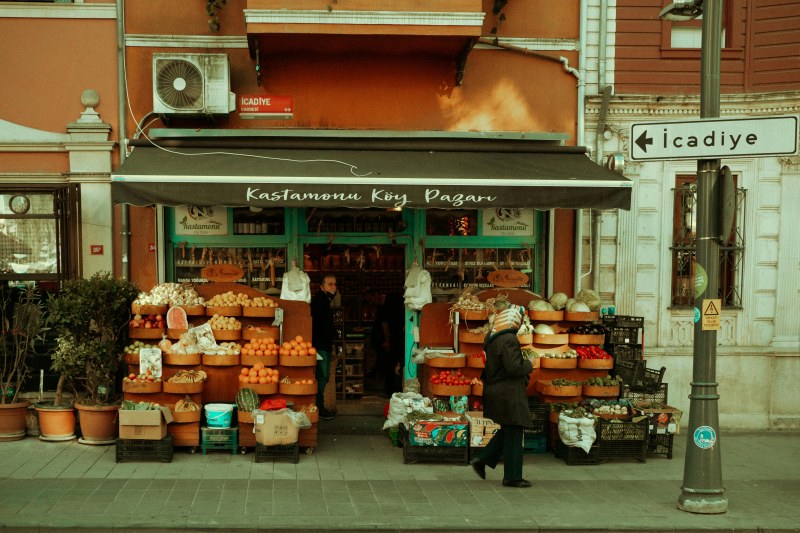
Instead of just observing, ask to help with a small, routine task. Think: stirring a pot of soup at a street stall, arranging vegetables at a market, or even folding textiles in a family shop. The key is to be respectful—smile, gesture, and use simple phrases like “Can I help?” (or Google Translate it first).
Take my friend Lila’s story: In a small village in Vietnam, she saw an elderly woman weaving bamboo baskets. Lila gestured to the extra bamboo strips and mimicked weaving. The woman laughed and handed her a strip. For 30 minutes, they wove together, no words needed. At the end, the woman gave Lila a small basket as a gift—something she still treasures.
2. Share a Small, Personal Item
Bring a tiny piece of home with you: a pack of your favorite tea, a candy from your country, or a photo of your pet or family. These small gestures break ice faster than any tourist question.
Last year, I traveled to Morocco with a pocket full of mint candies from my hometown. At a café, I offered one to the owner. He lit up—mint is a staple in Moroccan tea—and showed me photos of his daughter. We spent an hour chatting (using Google Translate) about our families, and he even taught me how to pour tea the traditional way.
How These Ways Stack Up Against Common Tourist Approaches
Wondering how these methods compare to typical tourist activities? Here’s a quick breakdown:
| Approach | Pros | Cons | Best For |
|---|---|---|---|
| Join a Daily Task | Deep, hands-on connection; free; creates lasting memories | Requires confidence to ask; may not always be welcomed | Slow travelers, those who love hands-on experiences |
| Share a Personal Item | Easy to do; breaks language barriers; feels personal | Needs planning (bring items); some items may not be relevant | All travelers, especially those nervous about initiating conversations |
| Guided Group Tour | Structured; no planning needed | Limited one-on-one interaction; feels scripted | First-time travelers, those short on time |
Debunking Common Myths About Connecting with Locals
Myth: Locals are too busy to talk to tourists
Reality: Most locals enjoy sharing their culture—if you approach with respect. The woman who wove baskets with Lila told her (via a translator) that she loved teaching visitors her craft; it made her feel proud of her village.
Myth: You need to speak the local language
Reality: Nonverbal communication (smiles, gestures, laughter) goes a long way. Even if you only know a few words, the effort to connect is what matters.
“A stranger is a friend you haven’t met yet.” — Unknown
This old proverb sums it up: Travel isn’t just about seeing places—it’s about meeting people. The small, unexpected moments with locals are the ones that stick with you long after the trip ends.
FAQ: Your Questions Answered
Q: What if I get rejected when asking to help?
A: It’s okay! Some locals may be busy or uncomfortable with strangers. Just smile and say “Thank you” and move on—no hard feelings. Most will appreciate the effort.
Q: What items should I bring to share?
A: Stick to small, non-perishable items: local candies from your country, tea bags, or a small photo of your pet/family. Avoid anything expensive or culturally insensitive.
Next time you travel, skip the tourist traps and try one of these ways. You might just leave with a new friend—and a story you’ll tell for years.