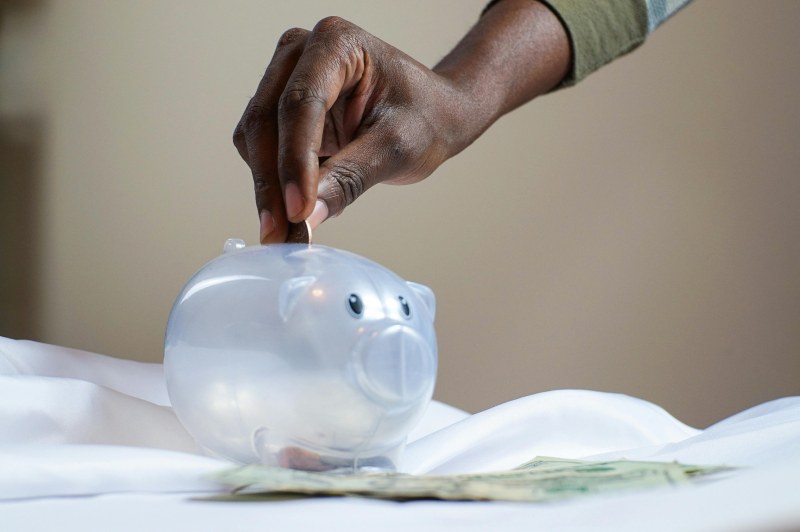
We’ve all been there: standing in the checkout line with a $5 latte and a $20 impulse buy, knowing we should be saving for that weekend trip but giving in anyway. The battle between spending and saving isn’t just about math—it’s about mindset. Two simple shifts can turn that constant tug-of-war into a balanced approach that lets you enjoy the present while planning for the future.
The Two Mindset Shifts That Change Everything 💰
Shift 1: From "Deprivation" to "Intentional Choice"
Many people think saving means cutting out all fun—no lattes, no dinners out, no treats. This "deprivation" mindset often backfires: you feel restricted, then binge spend to compensate. Instead, think of saving as making intentional choices. For example, instead of saying "I can’t buy lattes," ask "Is this latte worth the $5 I could put toward my trip?"
Shift 2: From "Short-Term Gratification" to "Long-Term Value"
Our brains are wired to prefer immediate rewards (like a new shirt) over future ones (like a down payment on a car). To counter this, visualize the long-term value of your savings. When you’re tempted to splurge, ask: "Will this make me happier than the thing I’m saving for?"
Here’s how these shifts change your approach to spending and saving:
| Old Mindset | New Mindset | Outcome |
|---|---|---|
| "I can’t have that latte." (Deprivation) | "I choose to skip this latte to save for my trip." (Intentional Choice) | You feel in control, not restricted. |
| "This shirt is on sale—I need it now!" (Short-Term Gratification) | "This shirt will be out of style in a year, but my vacation memories will last forever." (Long-Term Value) | You prioritize what truly matters to you. |
"An investment in knowledge pays the best interest." — Benjamin Franklin
Franklin’s words aren’t just about money—they’re about investing in your mindset. When you learn to make intentional choices and prioritize long-term value, you’re investing in your financial future.
Let’s take Sarah, a 28-year-old teacher who wanted to save for a trip to Japan. She used to buy a $4 latte every weekday, spending $80 a month. Instead of cutting lattes entirely, she chose to make coffee at home 3 days a week and treat herself to a latte 2 days. This saved her $48 a month—enough to cover her flight’s baggage fee in 6 months. She also started asking herself before every purchase: "Will this help me get to Japan?" This small shift helped her reach her savings goal in 18 months.
Common Question: How Do I Start? 💡
Q: I want to make these mindset shifts, but I don’t know where to begin. What’s the easiest way?
A: Start with one small habit. Pick one type of spending (like coffee, snacks, or online shopping) and track it for a week. Then, identify one intentional choice you can make—like skipping one coffee a week or choosing a cheaper snack. Over time, these small choices add up, and the mindset shifts become second nature.
The battle between spending and saving doesn’t have to be a fight. By shifting your mindset from deprivation to intentional choice, and from short-term gratification to long-term value, you can build a financial life that balances present joy with future security. Remember: every small choice counts.