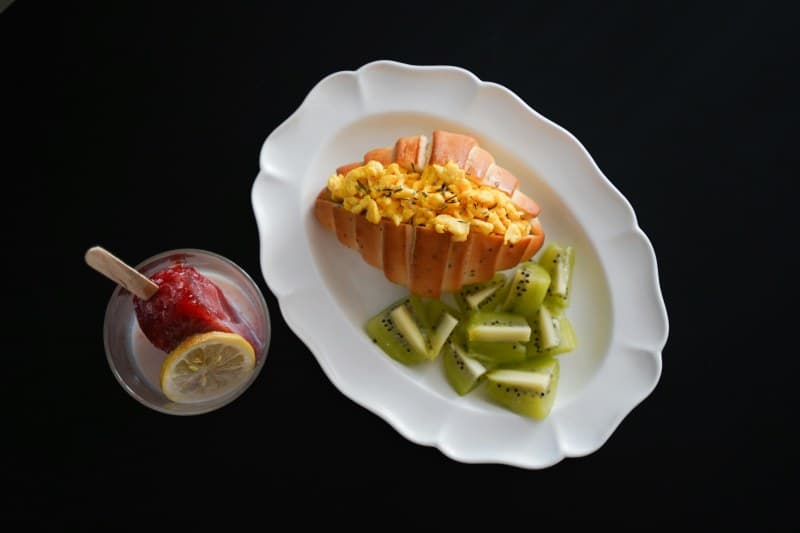
I still remember the morning I tried to make scrambled eggs for my in-laws. I cranked the heat to high, stirred like a maniac, and ended up with a pan of dry, rubbery curds that even the dog side-eyed. That’s when I realized: scrambled eggs aren’t just about cracking and cooking—there’s a method to the madness. Today, we’re breaking down the two key ways to make scrambled eggs (creamy or fluffy) and the mistakes you need to avoid to get it right every time.
The Two Key Methods: Creamy vs Fluffy 🍳
Creamy Scrambled Eggs: Slow and Steady
Think velvety, melt-in-your-mouth curds. For this method, start with medium-low heat—no rushing. Whisk 2 eggs with 1-2 tablespoons of cream (or milk for a lighter version) until just combined (no need to over-whisk). Add a pat of butter to a preheated non-stick pan, then pour in the eggs. Stir gently with a spatula, scraping the bottom and sides every few seconds. Cook for 5-7 minutes until soft curds form—remove from heat before they look fully done (they’ll keep cooking from residual heat).
Fluffy Scrambled Eggs: Quick and Airy
Want pillowy, cloud-like eggs? Go for high heat (medium-high) and vigorous whisking. Whisk 2 eggs for 30 seconds to incorporate as much air as possible—you’ll see tiny bubbles. Heat a pan with butter until it’s sizzling, then pour in the eggs. Let them sit for 10 seconds, then fold the edges toward the center with a spatula. Repeat until the eggs are mostly set but still slightly runny (about 2-3 minutes). Remove immediately—overcooking kills the fluff.
Wondering which method fits your mood? Here’s a side-by-side look:
| Method | Heat Level | Whisking | Cooking Time | Texture | Ideal For |
|---|---|---|---|---|---|
| Creamy | Medium-low | Light (mix, not aerate) | 5-7 mins | Smooth, velvety curds | Brunch with toast/avocado |
| Fluffy | Medium-high | Vigorous (add air) | 2-3 mins | Airy, pillowy clumps | Quick breakfast/egg sandwiches |
Common Mistakes to Ditch
- Overcooking: Eggs keep cooking after you take them off heat. Remove when they’re 80% done to avoid dryness.
- Not whisking enough: For fluffy eggs, you need air—skip this and you’ll get flat curds.
- Using a cold pan: Preheat your pan lightly (but don’t burn the butter!) for even cooking.
- Adding salt too early: Salt breaks down egg proteins, making them tough. Wait until just before serving.
Pro Tips for Next-Level Eggs
Want to step up your game? Try these:
- Use room-temperature eggs—they cook more evenly than cold ones.
- For creamy eggs, add a tiny bit of sour cream at the end for extra richness.
- For fluffy eggs, fold in a tablespoon of chopped herbs (like chives) right before serving.
“The only real stumbling block is fear of failure. In cooking you've got to have a what-the-hell attitude.” — Julia Child
Julia’s right—don’t be scared to experiment. I once added a dash of hot sauce to my creamy eggs and it became a family favorite. Even if you mess up once, you’ll learn what works for your taste.
Quick Q&A
Q: Can I make these methods dairy-free?
A: Absolutely! For creamy eggs, use oat milk (it’s creamy without curdling). For fluffy eggs, skip the dairy altogether—whisking vigorously still gives you airiness. You can also use plant-based butter instead of regular.
Whether you’re in the mood for creamy or fluffy, these methods will help you nail scrambled eggs every time. So grab a pan, crack some eggs, and give it a try—your breakfast (and your guests) will thank you.