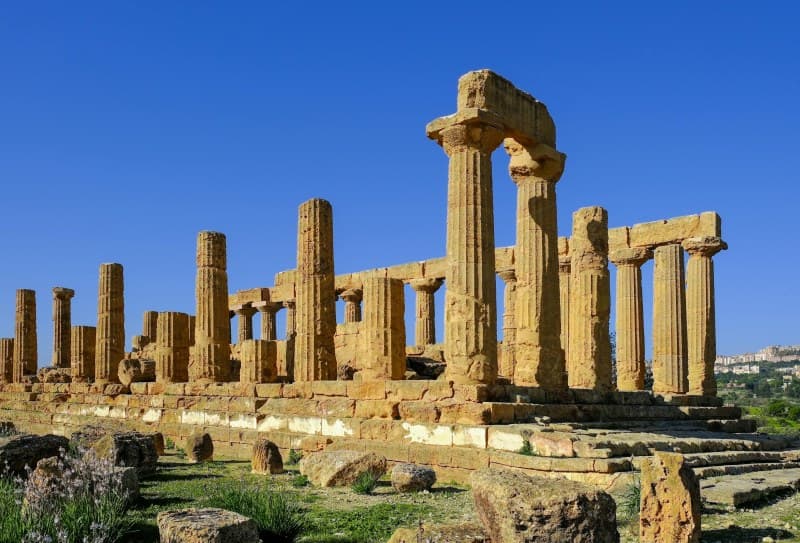
There’s something magical about stepping into a UNESCO World Heritage Site—whether it’s the sunlit ruins of Machu Picchu or the intricate mosaics of the Alhambra. But too often, travelers leave feeling underwhelmed because of small, avoidable mistakes. Last year, my friend Sarah visited the Great Wall of China without checking the weather: she arrived on a foggy morning, could barely see 10 meters ahead, and left wishing she’d planned better. Let’s make sure your next heritage trip doesn’t end that way.
Myth vs. Reality: Common UNESCO Site Misconceptions
Before we dive into tips, let’s clear up some myths that trip up travelers. Here’s a quick breakdown:
| Myth | Reality |
|---|---|
| You can visit any UNESCO site without booking in advance. | Popular sites like Machu Picchu or the Sistine Chapel require tickets months ahead—some even sell out weeks early. |
| Guides are a waste of money. | Local guides share hidden stories (like how the Taj Mahal’s white marble changes color at sunset) that you won’t find in guidebooks. |
| All UNESCO sites are well-maintained. | Many sites (e.g., Angkor Wat) have areas closed for restoration—always check official websites for updates. |
| You can touch artifacts to “connect” with history. | Touching ancient stones or artworks damages them irreparably—stick to marked paths and viewing areas. |
6 Key Things to Know Before You Go
1. Book tickets (and tours) way ahead
For Machu Picchu’s Inca Trail, tickets sell out 6 months in advance. Even for less crowded sites like the Colosseum, booking online saves you hours of waiting in line. Pro tip: Look for combo tickets that include access to nearby lesser-known sites (like the Roman Forum with the Colosseum).
2. Respect local customs
At India’s Taj Mahal, you’ll need to cover your shoulders and knees to enter. In Japan’s Himeji Castle, remove your shoes before stepping inside the main keep. These rules aren’t just red tape—they’re a sign of respect for the site’s cultural significance.
3. Pack smart for the site
Outdoor sites like the Great Barrier Reef need sunscreen and water-resistant shoes. Indoor sites like the Louvre require comfortable walking shoes (you’ll cover miles!). Don’t forget a reusable water bottle—many sites have refilling stations to reduce plastic waste.
4. Hire a local guide (if possible)
When I visited Petra, my Bedouin guide told me stories about how his ancestors used the Nabatean water channels. Without him, I would’ve just seen rocks. Local guides add depth to your visit and support the community.
5. Check for temporary closures
Last year, parts of the Acropolis were closed for restoration. I almost missed the Parthenon because I didn’t check the official site first. Always verify opening hours and closures 1-2 weeks before your trip.
6. Practice responsible tourism
Don’t leave trash behind, don’t climb on ancient structures, and avoid buying souvenirs made from endangered materials (like ivory or coral). Remember: These sites are for future generations too.
A Classic Quote to Guide Your Visit
“The world is a book, and those who do not travel read only one page.” – St. Augustine
This quote reminds us that UNESCO sites are more than just landmarks—they’re chapters in the world’s story. Approach them with curiosity and respect, and you’ll leave with memories that last a lifetime.
FAQ: Your Burning Questions Answered
Q: Can I take photos inside all UNESCO sites?
A: No. Many sites (like the Sistine Chapel or the Mona Lisa at the Louvre) ban photography to protect artworks from flash damage. Always check signs or ask staff before taking pictures—some sites allow photos without flash.
Visiting a UNESCO World Heritage Site is a chance to connect with history, culture, and nature. By following these tips, you’ll make the most of your trip and help preserve these treasures for years to come. Happy travels! 🏛️✈️