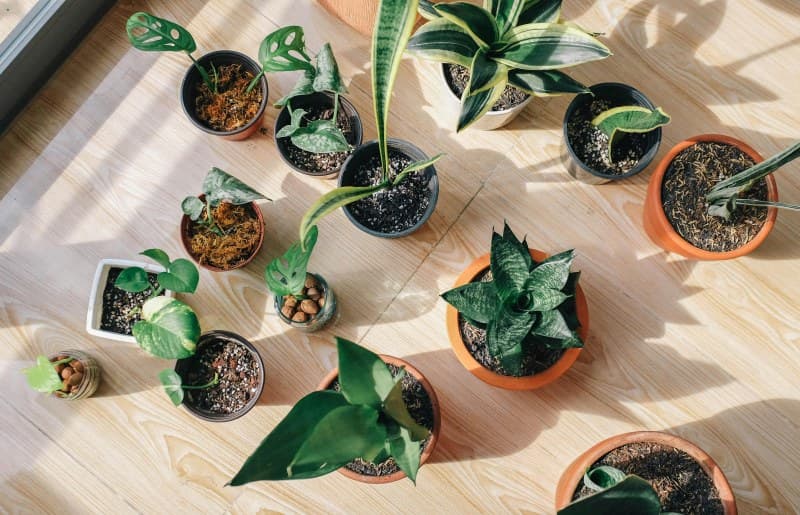
I still remember my first houseplant: a tiny succulent I bought on a whim. I watered it every day, sure that more love meant more growth. A week later, it turned mushy and died. If you’ve been there, you’re not alone. Keeping houseplants alive doesn’t have to be a mystery—especially if you pick one of two simple methods that work for most beginners.
The Two Key Methods Explained
Method 1: The "Schedule-Based" Care Routine
This method is all about consistency. Pick fixed days for watering, fertilizing, and checking your plants (e.g., water every 7 days, fertilize once a month). It’s great for people who like structure or have busy schedules—set a phone reminder, and you’re good to go. For example, a college student might water their pothos every Sunday after brunch, making it a easy habit to stick to.
Method 2: The "Observation-Based" Care Routine
This method is more intuitive. Instead of following a strict schedule, you check your plant’s cues: stick your finger 1 inch into the soil (if it’s dry, water; if wet, wait), look for yellow leaves (sign of overwatering) or drooping (sign of underwatering). It’s perfect for people who want to connect with their plants. A retiree might check their snake plant every few days while sipping coffee, adjusting care based on what the plant tells them.
To help you choose, here’s a quick comparison:
| Method | Pros | Cons | Best For |
|---|---|---|---|
| Schedule-Based | Easy to remember; fits busy routines; consistent care | Doesn’t account for weather changes; risk of overwatering/underwatering | Busy people, students, or those who like structure |
| Observation-Based | Customized to plant’s needs; builds connection with plants | Requires regular checks; may be tricky for beginners at first | Plant lovers who have time to observe, retirees, or those who want to learn plant cues |
"To plant a garden is to believe in tomorrow." — Audrey Hepburn
This quote rings true for beginner plant parents. Even if you mess up (like I did with my succulent), every new plant is a chance to learn and grow (pun intended). My friend Lila was a schedule stickler—she watered her monstera every 5 days no matter what. When it started getting yellow leaves, she switched to observation: she felt the soil and realized it was still wet. She cut back to every 10 days, and the plant perked up in a week. Now she swears by checking her plants first before reaching for the watering can.
Common Mistakes to Avoid
No matter which method you choose, there are two mistakes every beginner should watch out for:
- Overwatering: This is the #1 killer of houseplants. Even schedule-based care needs adjustments—if it’s rainy or cold, plants need less water. For example, a succulent in winter might only need water every 2-3 weeks instead of weekly.
- Ignoring light needs: A succulent in a dark corner will stretch (leggy) looking for light. Move it to a sunny spot, or pick a low-light plant like a ZZ plant if your space is dim.
Quick Q&A
Q: What if I travel often and can’t stick to a schedule or check my plants?
A: For schedule lovers, invest in a self-watering pot (they release water slowly over time). For observation lovers, ask a neighbor to check your plants—tell them to only water if the soil is dry. Both methods work with a little planning.
Keeping houseplants alive is about finding what works for you and your plants. Whether you prefer a strict schedule or listening to your plant’s cues, remember: every mistake is a lesson. So grab a plant, pick a method, and give it a try—your future green thumb will thank you.