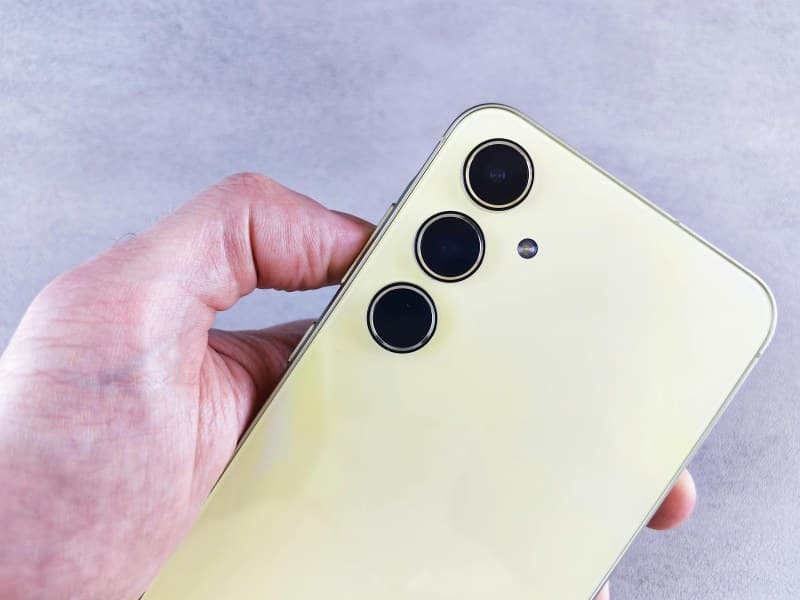
Last month, I dropped my phone on a concrete sidewalk. My heart skipped a beat—until I picked it up and saw the tempered glass protector had absorbed the impact, leaving the screen underneath spotless. My sister wasn’t so lucky: her thin plastic film didn’t stop a small crack from snaking across her display. That moment made me realize how much the type of screen protector matters. Let’s break down the two main options and help you pick the right one.
Two Main Types of Screen Protectors: What You Need to Know
When it comes to protecting your phone’s screen, there are two go-to choices: tempered glass and plastic film. Each has its own strengths and weaknesses, depending on your lifestyle.
Tempered glass is made from treated glass that’s heated and cooled to make it stronger than regular glass. It’s thick enough to absorb drops and scratches, but still thin enough to feel like part of your phone. Plastic film, on the other hand, is usually made from PET (polyethylene terephthalate) or TPU (thermoplastic polyurethane). It’s flexible, lightweight, and often cheaper.
To help you compare, here’s a quick breakdown:
| Type | Pros | Cons | Cost Range | Durability | Application Difficulty |
|---|---|---|---|---|---|
| Tempered Glass | High scratch/drop protection, clear visibility, smooth touch | Can shatter on hard drops, may not fit all cases | $5–$20 | Long-lasting (6–12 months) | Moderate (needs careful alignment) |
| Plastic Film | Flexible, case-compatible, affordable | Less scratch protection, can peel over time | $2–$10 | Short-lived (3–6 months) | Easy (self-adhesive, forgiving) |
“An ounce of prevention is worth a pound of cure.” — Benjamin Franklin
This old saying rings true for screen protectors. A $10 protector can save you from a $200+ screen repair. Whether you choose glass or film, investing in one is a smart move.
How to Apply Your Protector Like a Pro
Tempered Glass Application
- Clean your screen thoroughly with the alcohol wipe provided.
- Peel the backing off the protector and align it with your phone’s screen (match the camera hole and edges).
- Gently press the center of the protector—adhesion will spread outward.
- Use the squeegee tool to remove any bubbles.
Plastic Film Application
- Clean the screen and dry it with a microfiber cloth.
- Peel the backing and lay the film over the screen (it’s flexible, so you can adjust it).
- Smooth out bubbles with your finger or a card.
- Trim any excess film with a pair of scissors (if needed).
My friend Mia, who uses her phone for outdoor photography, swears by plastic film. She says it’s flexible enough to fit under her rugged case and doesn’t interfere with her touch screen when she’s editing photos. Her brother, a construction worker, prefers tempered glass—he’s dropped his phone three times on job sites, and the screen is still perfect.
FAQ: Common Screen Protector Questions
Q: Can I apply a screen protector myself, or do I need a professional?
A: You can definitely do it yourself! Most protectors come with all the tools you need (alcohol wipes, microfiber cloth, squeegee). Just take your time and follow the instructions. If you’re nervous, many phone stores offer free application for a small fee.
Q: Do screen protectors affect the phone’s touch sensitivity?
A: Good quality protectors (both glass and film) shouldn’t. Cheaper ones might feel a bit stiff, but most modern protectors are designed to work seamlessly with touch screens.
Whether you’re a busy parent, a frequent traveler, or someone who’s prone to dropping their phone, there’s a screen protector for you. Choose tempered glass for maximum protection, or plastic film for flexibility and affordability. Either way, you’ll be glad you have it when that next accident happens.