Last summer in Kyoto, I stood outside a busy train station, clutching a crumpled photo of a hidden matcha tea house. I tried asking passersby in broken Japanese—“Sumimasen, kono ocha-ya wa doko desu ka?”—but most shook their heads and hurried on. I felt that familiar knot in my stomach: the “lost in translation” frustration, where words fail and you’re left feeling like an outsider.
Why that “lost in translation” feeling lingers
It’s not just about not speaking the local language. Language barriers are a mix of three things: vocabulary gaps (obviously), non-verbal cue misalignment (like eye contact or hand gestures that mean different things), and cultural norms (some cultures prefer indirect communication, which adds another layer of confusion). For example, in Thailand, a head nod might mean “I hear you” instead of “I agree”—easy to misread if you’re used to Western cues.
4 ways to connect anyway ✨
You don’t need to be fluent to bridge the gap. Here are four practical methods:
- Visual aids first 🗺️: Pull out a map, photo, or even a menu item you’re craving. When I finally showed the tea house photo to an elderly woman in Kyoto, she didn’t say a word—she just took my notebook and drew a tiny map with a heart next to the tea house.
- Learn 5 key phrases: “Hello,” “Thank you,” “Excuse me,” “Where is…?” and “I’m sorry” go a long way. Locals often appreciate the effort, even if your pronunciation is off.
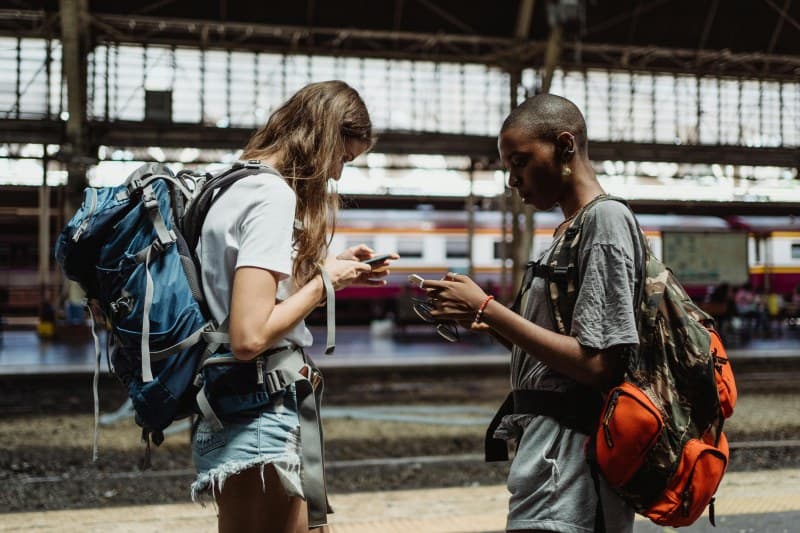
- Translation apps (mindfully) 📱: Apps like Google Translate are lifesavers, but don’t hold your phone in someone’s face. Ask first (“May I use a translator?”) and keep sentences short.
- Gesture with care 🙌: Pointing, smiling, or miming (like drinking for a café) works—just avoid gestures that are rude in the local culture (e.g., the “thumbs up” is offensive in some Middle Eastern countries).
To help you choose the right method, here’s a quick comparison:
| Method | Effort Level | Effectiveness | Cultural Note |
|---|---|---|---|
| Visual Aids | Low (carry photos/maps) | High (universal) | Always safe—no language needed! |
| Key Phrases | Medium (memorize 5-10) | High (shows respect) | Practice pronunciation to avoid confusion. |
| Translation Apps | Low (download offline) | Medium (depends on internet) | Ask permission before using. |
| Gestures | Low (use common sense) | Medium (risk of misinterpretation) | Research local gestures first. |
A classic take on communication gaps
“The single biggest problem in communication is the illusion that it has taken place.” — George Bernard Shaw
This quote hits home for travelers. We might think we’ve conveyed our message (via an app or a gesture), but the other person might not fully get it. That’s why slowing down and being patient is key—communication is a two-way street.
FAQ: Common question about travel communication
Q: Is it rude to use Google Translate in public?
A: It depends on how you use it. If you’re polite (ask first, keep it brief) and don’t rely on it for every interaction, it’s usually fine. Locals often see it as a sign you’re trying to connect, not just a shortcut.
Final thought: Embrace the messy moments
That Kyoto tea house visit? It turned out to be one of my favorite travel memories. The woman who drew the map even walked me part of the way. The “lost in translation” moments aren’t just frustrations—they’re opportunities to connect in ways words can’t. Next time you’re stuck, take a breath, smile, and try one of these methods. You might be surprised at what happens.