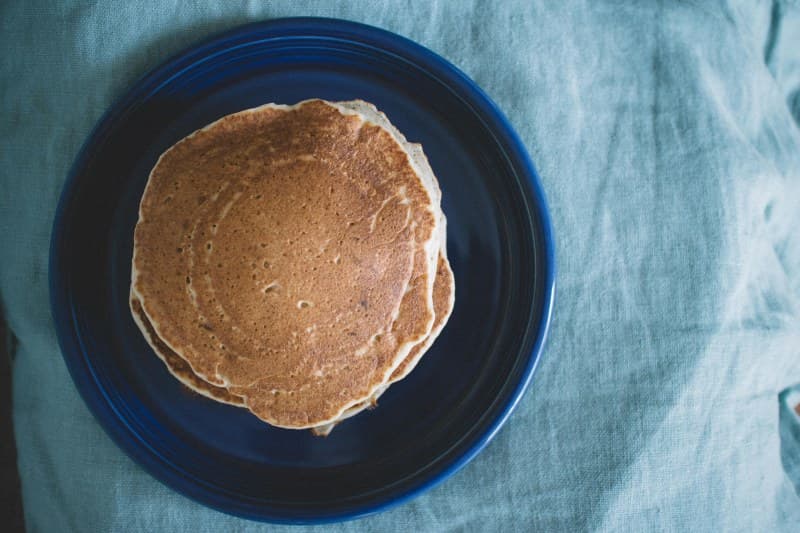
I still remember the first time I tried to make pancakes alone. I followed my mom’s traditional recipe—mixed flour, sugar, and baking powder first, then added milk and eggs. The result? Flat, dense disks that tasted more like cardboard than breakfast. Then I stumbled on the reverse method, and everything changed. Today, I’m breaking down these two game-changing batter techniques so you can skip the flops and get fluffy, golden pancakes every time.
The Two Key Pancake Batter Methods
Let’s compare the two methods side by side to see which one fits your style:
| Method | Mixing Order | Texture Result | Best For |
|---|---|---|---|
| Traditional | Dry ingredients (flour, sugar, baking powder) mixed first; then wet (milk, eggs, butter) added gradually. | Can be dense if overmixed; smooth but less fluffy. | Beginner cooks who prefer step-by-step mixing. |
| Reverse | Wet ingredients (milk, eggs, melted butter) mixed first; then dry ingredients folded in gently. | Fluffier, lighter texture with fewer gluten strands. | Anyone wanting restaurant-style fluffy pancakes. |
Common Pancake Myths Debunked
Let’s bust two persistent myths that ruin many pancake batches:
- Myth: Overmixing is necessary for smooth batter. Fact: Overmixing develops gluten, making pancakes tough. A few lumps in the batter are totally okay—they’ll disappear as the pancakes cook.
- Myth: More milk = fluffier pancakes. Fact: Too much liquid dilutes the leavening agents (baking powder or soda), leading to flat, soggy pancakes. Stick to the recipe’s liquid measurements.
Pro Tips for Pancake Perfection
Even with the right method, these small tweaks will take your pancakes to the next level:
- Let the batter rest: 10-15 minutes allows gluten to relax and leavening to activate. You’ll notice small bubbles forming—this is a good sign!
- Use a hot pan: Preheat your non-stick pan to medium heat. Drop a tiny bit of batter; if it sizzles and spreads slightly, it’s ready.
- Don’t flip too soon: Wait until bubbles form on the surface and the edges look set (about 2 minutes). Flipping too early will break the pancake and ruin its shape.
Quick Q&A
Q: Can I make pancake batter ahead of time?
A: Absolutely! Store the batter in an airtight container in the fridge for up to 24 hours. When you’re ready to cook, let it sit at room temperature for 10 minutes, and add a splash of milk if it’s too thick. The batter might be bubbly from the leavening, but it’ll still make delicious pancakes.
“The only real stumbling block is fear of failure. In cooking, you've got to have a what-the-hell attitude.” — Julia Child
This quote sums up pancake making perfectly. Don’t be afraid to try the reverse method or experiment with resting times. Even if you mess up a batch, you’ll learn something new—and maybe end up with your best pancakes yet.