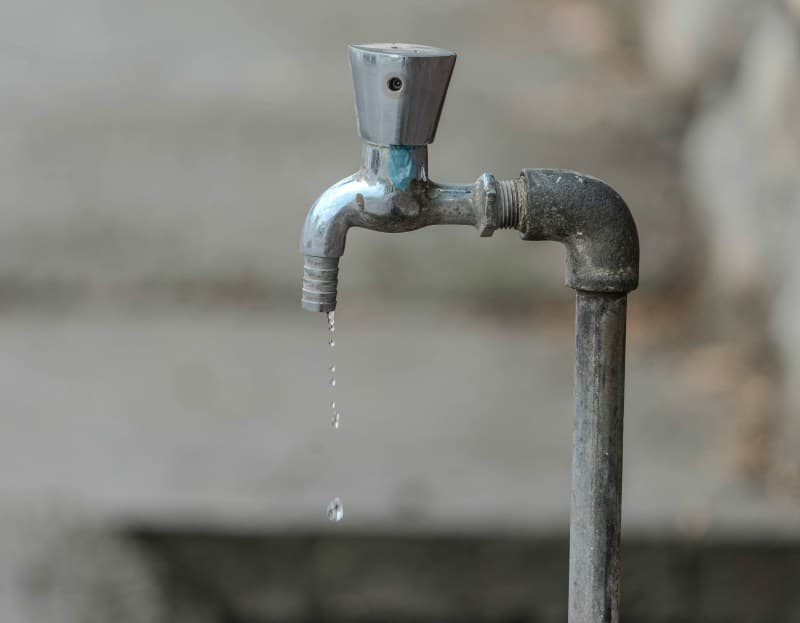
Last month, I woke up at 3 a.m. to the rhythmic drip-drip-drip of my bathroom faucet. It was like a tiny, persistent alarm I couldn’t turn off. Calling a plumber felt like overkill, but I didn’t want to waste water (or money on a huge bill). So I grabbed my basic toolbox and tried two simple fixes—turns out, it was easier than I thought.
Why Leaky Faucets Matter
A single leaky faucet can waste up to 3,000 gallons of water a year, according to the EPA. That’s enough to take 180 showers! Plus, the constant drip can damage your sink or countertop over time. Fixing it yourself saves both water and cash.
The Two DIY Fixes You Can Try Today
Method 1: Replace the Washer
This is the most common fix for leaky faucets. Washers wear out over time from friction, causing drips. Here’s how:
- Turn off the water supply under the sink (look for two valves—hot and cold).
- Remove the faucet handle (use a screwdriver to pry off the cap, then unscrew the handle).
- Take out the valve stem (use a wrench to loosen it).
- Replace the old washer with a new one (match the size exactly).
- Reassemble the faucet and turn the water back on.
Method 2: Tighten or Replace the O-Ring
O-rings are small rubber rings that seal the gap between the handle and the faucet. If they’re loose or worn, they can cause leaks around the handle. Steps:
- Turn off the water supply.
- Remove the handle and valve stem (same as Method 1).
- Find the O-ring on the valve stem—if it’s loose, tighten it. If it’s cracked, replace it.
- Reassemble and test.
Comparing the Two Methods: Pros & Cons
Not sure which method to try first? Here’s a quick comparison:
| Method | Difficulty Level | Time Investment | Cost | Best For |
|---|---|---|---|---|
| Replace Washer | Easy (beginner-friendly) | 15–20 minutes | $2–$5 (washer cost) | Drips from the faucet spout |
| Replace O-Ring | Easy (slightly more precise) | 10–15 minutes | $1–$3 (O-ring cost) | Leaks around the handle |
Common Mistakes to Avoid
- Over-tightening parts: This can damage the faucet or strip screws. Use gentle pressure.
- Using the wrong size parts: Always measure the old washer/O-ring before buying a replacement.
- Forgetting to turn off water: This leads to a messy flood—don’t skip this step!
“A stitch in time saves nine.” — English Proverb
This old saying rings true for leaky faucets. Fixing a small drip now prevents bigger problems (like water damage or higher utility bills) later. It’s a small task that makes a big difference.
FAQ: Your Leaky Faucet Questions Answered
Q: What if I try both methods and the faucet still leaks?
A: If neither fix works, the issue might be a worn valve seat or cartridge. These parts are trickier to replace, so it’s best to call a professional. But don’t worry—these two methods solve 80% of common leaky faucet problems.
Q: Do I need special tools?
A: No! You’ll just need a screwdriver, wrench, and replacement parts (washer/O-ring). Most hardware stores carry these for cheap.
Next time you hear that annoying drip, don’t panic. Grab your toolbox and give these methods a try—you’ll be glad you did.