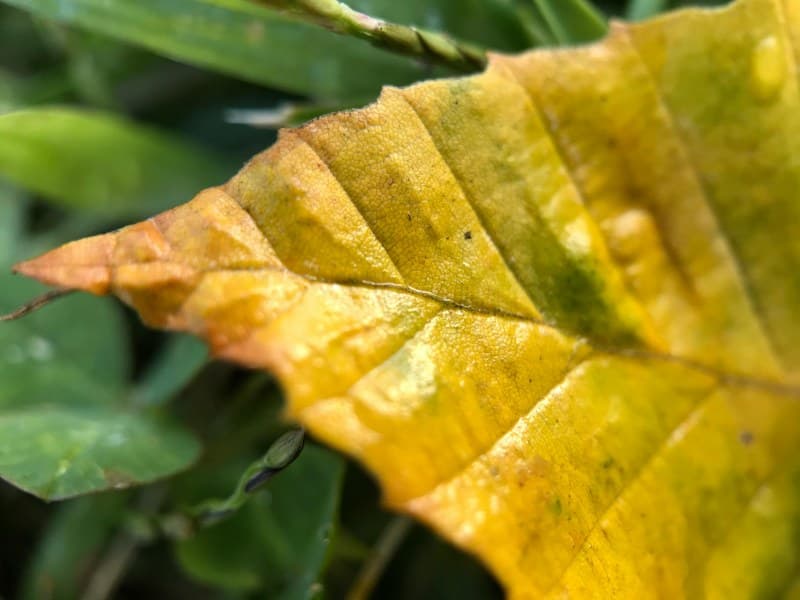
Why Are My Houseplant Leaves Turning Yellow? Let’s Figure It Out
Last week, I walked past my favorite pothos plant and noticed something off: a few lower leaves had turned pale yellow, drooping like they’d lost their spark. I panicked—was I killing it? After some research and trial and error, I learned yellow leaves are a plant’s way of talking. Let’s break down the 4 most common reasons and how to fix them.
4 Key Causes of Yellowing Houseplant Leaves (And Fixes)
Yellow leaves aren’t a death sentence—they’re a signal. Here are the top culprits:
1. Overwatering: The #1 Culprit
Most houseplants hate sitting in soggy soil. When roots are waterlogged, they can’t absorb oxygen, leading to root rot. Yellow leaves (often with brown, mushy edges) are the first sign.
Fix: Let the soil dry out completely before watering again. If root rot is bad, repot the plant in fresh, well-draining soil.
2. Underwatering: Thirsty Plants Cry Yellow
On the flip side, not giving enough water can cause leaves to yellow and curl. The soil will feel bone dry, and the plant might look wilted.
Fix: Water thoroughly until water drains from the bottom. Stick to a consistent schedule (but adjust based on the plant’s needs).
3. Too Much or Too Little Light
Plants have different light requirements. For example, a fern needs indirect light—if it’s in direct sun, leaves will yellow and burn. A succulent in low light will stretch and turn yellow.
Fix: Move the plant to the right spot. Check the plant’s care label for light needs.
4. Nutrient Deficiency: Missing Vital Fuel
Yellow leaves (especially on new growth) can mean the plant lacks nutrients like nitrogen or iron. This is common if you haven’t fertilized in months.
Fix: Feed the plant with a balanced houseplant fertilizer. Follow the instructions on the package—over-fertilizing can cause more harm.
Compare the Causes: Symptoms & Solutions
Not sure which issue your plant has? Use this table to match symptoms to fixes:
| Cause | Key Symptoms | Quick Fix | Prevention Tip |
|---|---|---|---|
| Overwatering | Mushy yellow leaves, soggy soil | Let soil dry; repot if rot exists | Use well-draining soil; water only when top 2 inches are dry |
| Underwatering | Crispy yellow leaves, dry soil | Water thoroughly | Set a reminder to check soil moisture weekly |
| Light Issues | Yellow edges (too much sun) or pale yellow (too little) | Adjust plant location | Research your plant’s light needs before buying |
| Nutrient Deficiency | Yellow new growth, stunted growth | Fertilize with balanced food | Fertilize every 2-3 months during growing season |
A Classic Quote to Keep You Going
“To plant a garden is to believe in tomorrow.” — Audrey Hepburn
This quote reminds me that caring for plants is about patience and hope. Even if your plant has yellow leaves, there’s always a chance to fix it and watch it thrive again.
Real-Life Example: Saving My Friend’s Snake Plant
My friend Sarah had a snake plant that started turning yellow. She thought it needed more water, so she watered it every other day. But the leaves got worse—mushy and yellow at the base. I told her to stop watering and let the soil dry. After a week, she repotted it in fresh soil. A month later, new green leaves started growing! It turns out she was overwatering, a common mistake for snake plants (which love dry soil).
FAQ: Can Yellow Leaves Turn Green Again?
Q: I noticed a few yellow leaves on my plant. Will they turn green again?
A: Unfortunately, once a leaf is fully yellow, it can’t turn green again. The plant has already reabsorbed the nutrients from that leaf. But if you fix the underlying cause (like adjusting watering or light), you can prevent more leaves from turning yellow. Simply trim the yellow leaves to keep your plant looking neat.
Final Tips to Keep Your Plants Happy
- 🌿 Check soil moisture regularly (stick your finger 2 inches deep).
- 💡 Know your plant’s light requirements (indirect, direct, low).
- 🧪 Fertilize during the growing season (spring and summer).
- ✂️ Trim yellow leaves to encourage new growth.
Yellow leaves are a plant’s way of asking for help. With a little attention and the right fixes, your houseplants can bounce back to their green, vibrant selves. Happy planting!