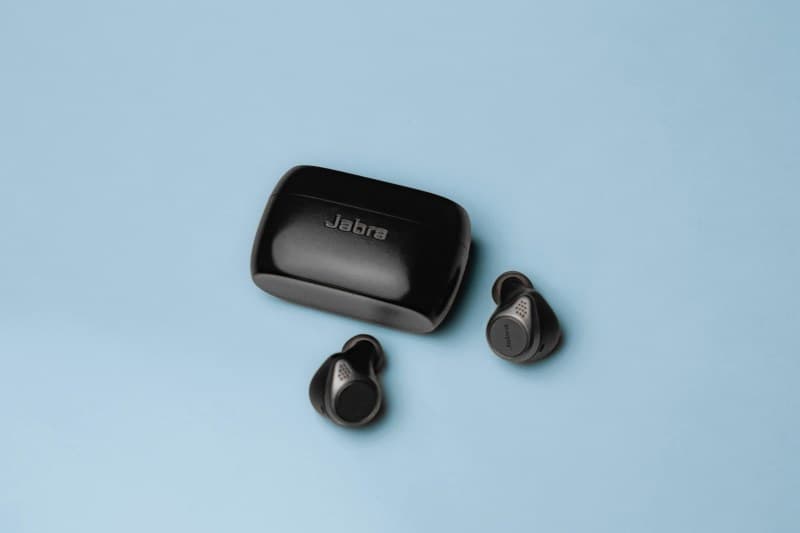
My friend Mia spent $200 on a pair of premium wireless earbuds last year, only to find they kept falling out during her morning runs. She was frustrated—until she realized she’d picked a model designed for office use, not high-intensity workouts. The lesson? The best wireless earbuds aren’t always the priciest—they’re the ones that fit your lifestyle.
4 Key Factors to Consider When Choosing Wireless Earbuds
Before you hit “buy,” ask yourself these four questions to find the perfect pair:
1. Battery Life: How Long Do You Need Them to Last?
If you’re a commuter who spends 2 hours a day on the train, you’ll want earbuds with at least 6 hours of single-charge life (plus a charging case that adds extra hours). For gym-goers, even 4 hours might be enough—since most workouts are shorter.
2. Fit & Comfort: Will They Stay Put?
Earbuds that fall out mid-run are useless. Look for models with multiple ear tip sizes (silicone or foam) or wingtips for extra grip. Foam tips also help block out noise better than silicone.
3. Sound Profile: What Do You Listen To?
Bass-heavy earbuds are great for hip-hop or EDM, while balanced sound works for podcasts and classical music. Some models let you customize the sound via an app—perfect if you switch between genres.
4. Connectivity & Extra Features: Do You Need ANC or Water Resistance?
Noise cancellation (ANC) is a game-changer for commuters, but transparency mode (which lets you hear your surroundings) is better for runners who need to stay aware of traffic. Water resistance (IPX rating) is a must for gym-goers or anyone who uses earbuds in the rain.
To help you compare, here’s a quick breakdown of three popular models:
| Model | Battery Life (Single Charge) | Fit Type | Sound Profile | Key Features |
|---|---|---|---|---|
| JBL Tune 125TWS (Budget) | 4 hours | Silicone tips | Bass-heavy | IPX4 water resistance |
| Sony WF-C500 (Mid-Range) | 6 hours | Silicone + wingtips | Balanced | Transparency mode |
| Apple AirPods Pro 2 (Premium) | 6 hours (ANC on) | Customizable silicone tips | Balanced (app-adjustable) | ANC, transparency, IPX4 |
Common Myths About Wireless Earbuds Debunked
Let’s clear up some misconceptions:
- Myth: Noise cancellation is essential for everyone.
Truth: If you’re a runner or cyclist, transparency mode is safer—it lets you hear cars and people around you. - Myth: More expensive earbuds always sound better.
Truth: Budget models like the JBL Tune 125TWS have great bass for casual listeners, and you don’t have to pay extra for features you don’t need.
The right tool for the job is half the battle. — Proverb
This old saying applies perfectly to wireless earbuds. Mia’s mistake was picking a tool (premium earbuds) that wasn’t right for her job (running). Once she switched to Jabra Elite Active 75t—with wingtips and IPX7 water resistance—she never looked back.
Quick Q&A for Common Earbud Questions
Q: Can I use wireless earbuds for swimming?
A: Most earbuds are water-resistant (IPX4 to IPX7), but only a few are fully waterproof (IPX8). Check the rating—IPX8 models like the Shokz OpenSwim are designed for swimming.
Q: How do I keep my earbuds clean?
A: Wipe the ear tips with a damp cloth (avoid harsh chemicals) and use a small brush to remove dirt from the charging ports. Replace ear tips every 3-6 months for hygiene.
At the end of the day, the best wireless earbuds are the ones that fit your daily habits. Whether you’re a commuter, gym-goer, or casual listener, taking time to consider these four factors will help you find a pair you’ll love.