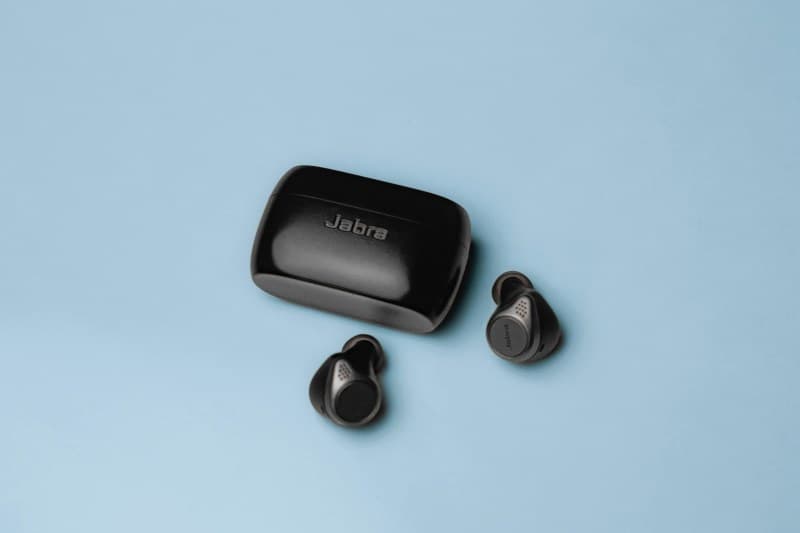
Last month, I ran out the door to catch a bus, fumbling with my old wired earbuds. The cord got tangled in my bag, and by the time I untangled it, the bus was gone. That’s when I finally switched to wireless earbuds. Suddenly, no more tangles, no more yanking the cord out of my phone. But how do these tiny devices actually work? And what should you look for when buying a pair?
How Wireless Earbuds Work
At their core, wireless earbuds use Bluetooth to connect to your device (phone, laptop, etc.). When you play music, your device converts the audio into a digital signal, which is sent via Bluetooth to the earbuds. The earbuds then turn that signal back into sound you can hear.
Key parts inside: a small battery (for power), a Bluetooth chip (for connection), and a speaker (for sound). Some models also have microphones for calls and sensors to pause music when you take them out.
6 Key Features to Compare Before Buying
Not all wireless earbuds are the same. Here’s how entry-level, mid-range, and premium pairs stack up on 6 critical features:
| Feature | Entry-Level (Under $50) | Mid-Range ($50–$150) | Premium ($150+) |
|---|---|---|---|
| Battery Life (per charge) | 2–3 hours | 5–6 hours | 7–8 hours |
| Noise Cancellation | No | Basic (passive) | Active (adaptive) |
| Water Resistance | IPX2 (sweat-resistant) | IPX4 (sweat & light rain) | IPX5+ (heavy rain & swimming) |
| Codec Support | SBC (basic) | AAC (better for iOS) | aptX/H1 (high-quality) |
| Fit Type | One-size silicone tips | Multiple silicone tips | Customizable (memory foam) |
| Extra Features | None | Touch controls | Voice assistant integration, spatial audio |
Common Myths Debunked
Let’s clear up some misconceptions:
- Myth 1: Wireless earbuds have worse sound quality than wired. No—premium wireless earbuds use high-quality codecs (like aptX) that deliver sound almost as good as wired. For most people, the difference is unnoticeable.
- Myth 2: Noise cancellation is bad for your ears. As long as you don’t crank the volume to max, noise cancellation is safe. It reduces background noise, so you don’t need to turn up the volume as much.
- Myth 3: You need to charge them every day. Most mid-range and premium pairs last 5+ hours per charge, plus the case adds 20–30 hours. You only need to charge the case once a week.
“The best technology is the one that disappears when you need it most.” — Alan Kay
This quote perfectly sums up wireless earbuds. When they work well, you forget about the tech and just enjoy your music or call.
Real-Life Example: Sarah’s Gym Upgrade
My friend Sarah bought a $30 pair of wireless earbuds for her gym sessions. They had IPX2 water resistance, which was okay for light sweat, but the battery died mid-workout. She then upgraded to a $100 mid-range pair. The battery lasted 6 hours, and the passive noise cancellation blocked out the gym’s loud music. Now she never misses a beat during her workouts.
FAQ: Do Wireless Earbuds Work With All Devices?
Q: Can I use wireless earbuds with my laptop, phone, and tablet?
A: Yes! Most wireless earbuds use Bluetooth, which is compatible with almost all modern devices (iOS, Android, Windows, Mac). Just pair the earbuds once with each device, and they’ll connect automatically when you take them out. Some earbuds have extra features for specific OS (like Apple’s AirPods with iOS), but basic functionality works across all.
Final Tips to Choose the Right Pair
1. Consider your use case: For gym, pick water-resistant pairs. For commuting, go for noise cancellation. 2. Check battery life: Make sure it covers your daily needs. 3. Try before you buy: If possible, test the fit—uncomfortable earbuds won’t get used. 4. Don’t overpay: Mid-range pairs often have all the features most people need.
Wireless earbuds are more than just a convenience—they’re a game-changer for anyone who loves music, calls, or podcasts on the go. With the right pair, you’ll wonder how you ever lived with wires.