My friend Sarah stood in the electronics store, staring at two rows of wireless earbuds. Her sister swore by the Bluetooth neckband for gym sessions, while her roommate raved about the tiny true wireless stereo (TWS) ones. She had no idea which to choose—sound familiar? Let’s break down the two core connectivity types that dominate the market today.
Two Core Wireless Earbud Connectivity Types
Bluetooth Neckbands 🎧
These earbuds have a thin wire connecting the two buds, worn around your neck when not in use. They’re a staple for people who value reliability over absolute portability. Most neckbands have longer battery life (often 8–12 hours per charge) and are less likely to get lost—since they’re attached to a band, you can’t misplace one bud without noticing.
True Wireless Stereo (TWS) ⚡
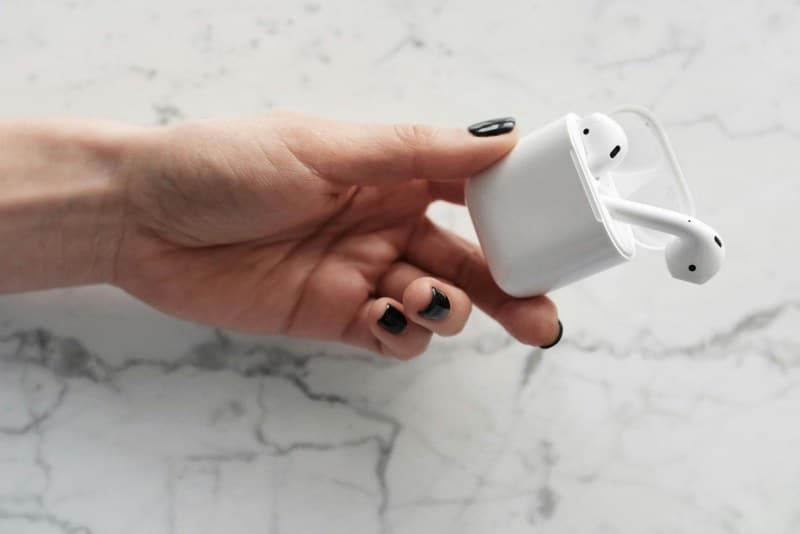
No wires at all—each earbud is a standalone device. They fit snugly in your ears and come with a compact charging case (which adds 2–3 extra charges). TWS earbuds are perfect for anyone who hates tangled wires or wants a sleek, minimalist look. But they’re easier to lose and usually have shorter battery life per charge (4–6 hours).
To help you compare, here’s a quick breakdown:
| Feature | Bluetooth Neckband | TWS Earbuds |
|---|---|---|
| Battery Life (per charge) | 8–12 hours | 4–6 hours |
| Portability | Moderate (band around neck) | High (fits in pocket-sized case) |
| Risk of Loss | Low (attached to band) | High (easy to misplace one bud) |
| Price Range | $20–$150 | $50–$300+ |
| Best For | Workouts, long commutes | Everyday use, travel |
“Simplicity is the ultimate sophistication.” — Leonardo da Vinci
This quote rings true for both types. Neckbands offer a simple, reliable solution without the hassle of charging small buds constantly. TWS earbuds simplify your setup by eliminating wires entirely—each type’s “simplicity” caters to different needs.
Common Myths Debunked
- Myth 1: TWS earbuds have worse sound quality than neckbands.
Truth: High-end TWS models (like Apple AirPods Pro or Sony WF-1000XM5) have sound quality that matches or exceeds many neckbands. Budget TWS may lag, but mid-range and premium options hold their own. - Myth 2: Neckbands are outdated.
Truth: They’re still popular among gym-goers and frequent travelers. The band keeps earbuds secure during intense movement, and longer battery life means no mid-workout charging stops.
Practical Tips for Choosing
Sarah eventually picked a Bluetooth neckband for her gym sessions. She was worried about losing TWS buds while running, and the 10-hour battery life meant she didn’t have to charge it every day. For her daily commute, she uses a cheap pair of TWS buds—compact enough to slip into her purse.
FAQ: Which Type Is Right for Me?
Q: I run marathons—should I get neckbands or TWS?
A: Neckbands are better. They stay secure during high-intensity movement, and you won’t have to worry about a bud falling out mid-run. Look for sweat-resistant models (IPX4 or higher).
Q: I travel a lot—are TWS worth it?
A: Yes! TWS buds are compact and easy to carry. Just make sure the charging case has enough extra charges to last your trip (most offer 12–24 hours total).
At the end of the day, the best wireless earbuds are the ones that fit your lifestyle. Whether you choose a neckband or TWS, focus on what matters most to you—battery life, portability, or sound quality.