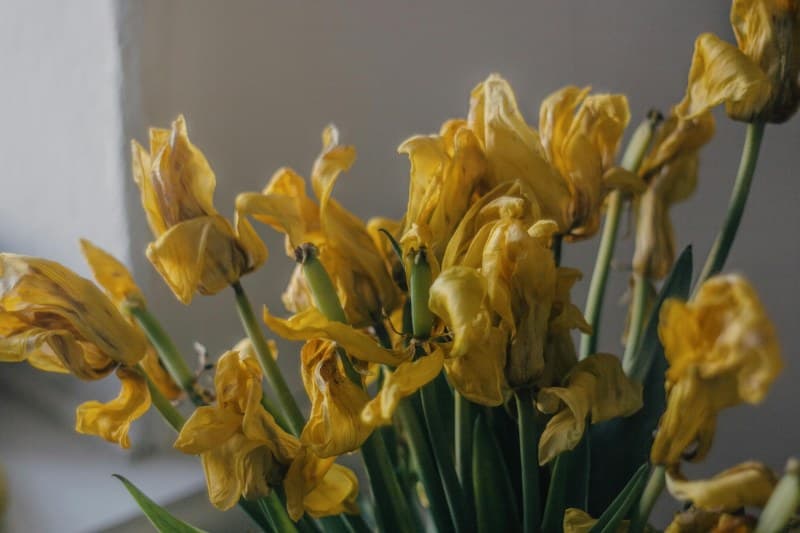
You rush home after a long day, excited to check on your favorite pothos, only to find its leaves drooping like sad little flags. Wilting houseplants are a common frustration for new and experienced gardeners alike, but most of the time, the issue boils down to two simple causes. Let’s break them down so you can bring your green friends back to life.
Two Key Causes of Wilting: Underwatering vs. Overwatering 💧
Wilting is your plant’s way of saying something’s wrong with its water supply. The two most common culprits are underwatering (not enough water) and overwatering (too much water). These might sound opposite, but they both lead to the same problem: the plant can’t take up moisture properly.
Here’s a quick comparison to help you tell them apart:
| Symptom | Underwatering | Overwatering |
|---|---|---|
| Leaf Texture | Dry, crispy edges; leaves feel light | Mushy, yellowish leaves; some may fall off |
| Soil Condition | Crumbly, completely dry to the touch | Soggy, smells moldy; water pools on top |
| Root Appearance | Light brown, firm | Dark brown, mushy (root rot) |
| Quick Fix | Submerge pot in water for 15 mins; let drain | Trim rotted roots; repot in fresh soil |
Debunking Common Myths About Wilting 🌿
One of the biggest myths about wilting is that it always means your plant needs water. This is a dangerous assumption—overwatering is just as common (and often more harmful) than underwatering.
Take my friend Sarah, for example. She had a small succulent that started wilting. She assumed it was thirsty, so she watered it every day. A week later, the leaves turned mushy and the plant almost died. When she checked the roots, they were rotting from too much water. She learned the hard way that wilting isn’t always a cry for more H2O.
"Take care of the small things and the big things will take care of themselves." — Unknown
This old saying rings true for houseplant care. Catching small issues like checking soil moisture before watering (instead of guessing) can prevent big problems like wilting or root rot. It’s the little daily habits that keep your plants healthy.
Quick Fixes to Revive Wilting Plants
Once you’ve identified the cause, here’s how to fix it:
- Underwatering: Fill a sink or basin with room-temperature water. Submerge the pot (up to the rim) and let it sit for 15-20 minutes. This allows the soil to absorb water from the bottom up. Then, let the excess water drain out before putting it back in its spot.
- Overwatering: Gently remove the plant from its pot. Use clean scissors to trim any dark, mushy roots. Repot the plant in fresh, well-draining soil (add perlite or sand if needed). Don’t water it for at least a week to let the roots heal.
FAQ: Common Wilting Questions
Q: My plant is wilted, but the soil is still wet—what should I do?
A: This is almost always overwatering. First, stop watering immediately. If the pot has no drainage holes, transfer the plant to a pot that does. Trim any rotted roots and repot in dry soil. Keep the plant in a bright, well-ventilated area to help the soil dry out faster.
Q: Can a wilted plant recover completely?
A: Yes! Most plants are resilient. If you act quickly and fix the water issue, your plant should bounce back within a few days. Just make sure to adjust your watering routine to prevent it from happening again.
Wilting isn’t a death sentence for your plants. By learning to spot the difference between underwatering and overwatering, you can quickly fix the issue and keep your indoor garden thriving. Remember, plants are living things—they communicate with you through their leaves. All you need to do is listen.