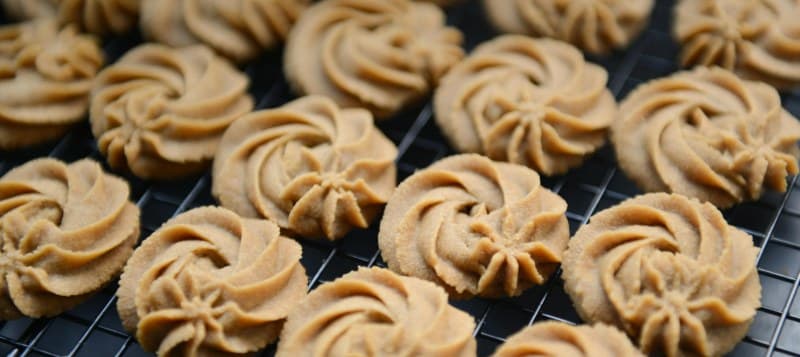
Last weekend, I tried baking chocolate chip cookies for my neighbor’s kid’s birthday. I followed the recipe to the letter, but when I pulled them out of the oven, half were flat as pancakes and the other half were lumpy balls that didn’t spread at all. Frustrating, right? If you’ve ever had this problem, you’re not alone. Let’s break down why this happens and how to fix it.
Why Do Cookies Spread (or Not)?
Cookie shape issues usually boil down to a few key factors: butter temperature, dough chilling, flour measurement, oven heat, and leavening agents. Let’s break each down briefly:
- Butter temp: Too soft (melted) = cookies spread; too cold = no spread.
- Dough chill: No chill = spread; over-chill = dense, non-spreading.
- Flour: Too little = spread; too much = lumpy.
- Oven heat: Too low = slow set (spread); too high = fast set (no spread).
- Leavening: Too much baking soda = spread; too little = no rise.
5 Fixes for Perfect Cookie Shape
1. Get Butter Temperature Right
Room temperature butter (65–70°F) is ideal. It should be soft enough to cream with sugar but not melted. Test by pressing with a finger—indentation holds, no sinking.
2. Chill Your Dough
Chill for at least 30 minutes (up to 24 hours). This solidifies butter, slowing spread. For extra control, roll dough into balls and chill individually.
3. Measure Flour Correctly
Spoon flour into a measuring cup, then level with a knife. Don’t pack it—packing adds extra flour, leading to dense, non-spreading cookies.
4. Check Oven Temperature
Ovens often lie! Use an oven thermometer to confirm heat. If it’s too low, cookies spread; too high, they set before spreading.
5. Adjust Leavening Agents
Too much baking soda reacts quickly with acidic ingredients (like chocolate chips) causing spread. Follow recipe amounts closely—even a 1/4 tsp difference matters.
Quick Reference Table: Cookie Shape Problems
Here’s a handy table to troubleshoot common issues:
| Problem | Common Cause | Fix |
|---|---|---|
| Flat, greasy cookies | Butter too melted; oven too low | Chill dough; use oven thermometer |
| Lumpy, non-spreading | Butter too cold; too much flour | Room temp butter; correct flour measurement |
| Uneven spread | Oven hot spots; dough not chilled | Rotate baking sheet; chill dough |
Wisdom from the Pros
“Cooking is like love; it should be entered into with abandon or not at all.” — Harriet Van Horne
This quote reminds us that baking isn’t about perfection—it’s about adjusting and trying again. Don’t let a batch of flat cookies stop you; tweak one variable (like butter temp) and see the difference.
A Real-Life Fix
My friend Sarah struggled with oatmeal raisin cookies for months. She always used cold butter, thinking it would keep them chewy. But they never spread, so they were dense and lumpy. After I suggested letting butter reach room temp and chilling the dough, she tried again. The result? Golden, evenly spread cookies with a crispy edge and chewy center. She even won a neighborhood baking contest with them!
Quick Q&A
Q: Can I fix cookies that are already spreading too much in the oven?
A: If you catch them within the first 5 minutes, slide the baking sheet out and gently reshape with a spatula. Put them back—they’ll set in the new shape. If they’re already flat, don’t worry—they’ll still taste great!
Baking cookies is a mix of science and art. By paying attention to small details, you can get perfect shape every time. Next time you bake, try one of these fixes—your taste buds (and friends) will thank you!