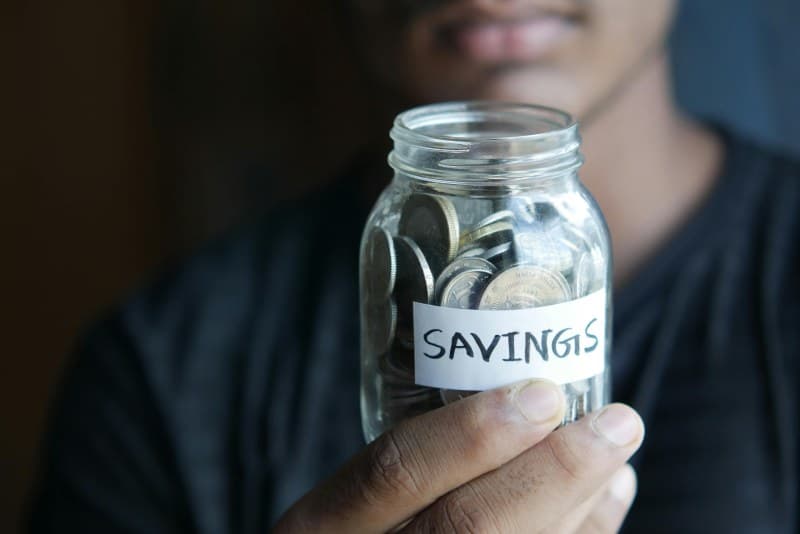
Maria, 28, is a graphic designer earning $45k a year. She pays rent on time, has no debt, and dreams of a trip to Japan. But every month, her bank account looks the same—no extra cash for savings. She knows she should save, but something always gets in the way. It’s not just math; it’s her mind.
7 Hidden Psychological Barriers to Saving (And How to Beat Them)
Most people think saving is about willpower, but it’s often rooted in subconscious habits and beliefs. Let’s break down the top 7 barriers and how to fix them:
| Barrier Name | What It Looks Like | Simple Fix 💡 |
|---|---|---|
| Present Bias | Choosing to buy a coffee now instead of saving for a vacation later. | Automate savings—set up a monthly transfer to a separate account so it’s out of sight. |
| Decision Fatigue | Overthinking how much to save each month, leading to no action. | Pick a fixed percentage (e.g., 5% of income) and stick to it—no more choices. |
| Mental Accounting | Treating a bonus as “fun money” instead of adding it to savings. | Assign every dollar a job (e.g., 30% to bills, 10% to savings) before spending. |
| FOMO | Spending on nights out because friends are doing it, even if you can’t afford it. | Unfollow social media accounts that trigger envy, and plan low-cost activities with friends. |
| Perfectionism | Waiting for the “perfect time” to save (e.g., when you get a raise). | Start with $10 a month—something is better than nothing. |
| Avoidance | Ignoring bank statements because you’re scared to see how much you spent. | Set a monthly 10-minute check-in with your finances to stay aware. |
| Negative Beliefs | Thinking “I’m bad with money” or “Saving is boring.” | Replace negative thoughts with affirmations like “I’m building security for my future.” |
“An investment in knowledge pays the best interest.” — Benjamin Franklin
This quote isn’t just about books—it’s about understanding your own mind. When you learn why you avoid saving, you’re investing in your financial future. For Maria, her barrier was present bias: she’d spend on small treats without thinking. After automating $50 a month to her savings account, she didn’t even miss the money. Six months later, she had $300 toward her Japan trip.
Common Question: Can These Tips Help If I Earn a Low Income?
Q: I don’t make a lot—will these psychological fixes still work?
A: Yes! Even small changes add up. For example, if you earn $30k a year, saving 5% is $125 a month. Automating that amount removes the temptation to spend it. The key is to focus on mindset first, regardless of income. Even saving $10 a week can build a safety net over time.
Saving isn’t about being perfect—it’s about being consistent. By addressing these hidden barriers, you can turn saving from a chore into a habit that works for you.