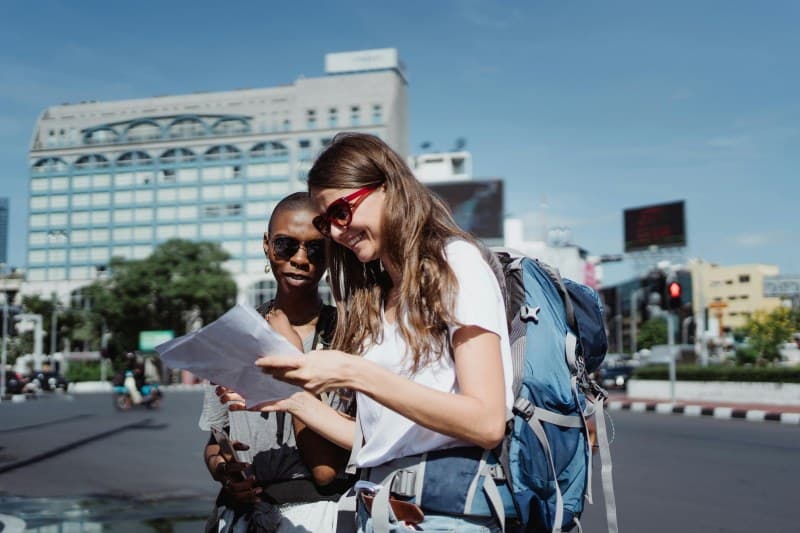
Sarah’s Kyoto trip was supposed to be magical. She checked off all the must-sees: Fushimi Inari’s torii gates, Kinkaku-ji’s golden pavilion, and Gion’s geisha districts. But by day three, she felt hollow. She’d walked past dozens of small tea houses and neighborhood markets but never stopped to engage. “I felt like a spectator, not a participant,” she later said. If this sounds familiar, you’re not alone—many travelers struggle to connect with local culture, even when they want to.
5 Reasons You Might Feel Disconnected from Local Culture ✈️
Disconnection often stems from small, unintended choices. Let’s break down the key reasons:
- Tourist checklist tunnel vision: When you’re focused on checking iconic spots off your list, you miss the quiet, everyday moments that define a culture.
- Fear of missteps: Worries about saying the wrong thing or breaking cultural norms can keep you from approaching locals.
- Tech over human interaction: Overusing translation apps or GPS can isolate you from the people around you.
- Rushing through your trip: A packed itinerary leaves no time to linger at a café or watch a local craftsperson at work.
- Ignoring local rhythm: Trying to stick to your home schedule (like eating lunch at 12 PM in a country where lunch is at 2 PM) can make you feel out of sync.
Here’s a quick comparison of these reasons and their easy fixes:
| Reason | Quick Fix | Effort Level |
|---|---|---|
| Checklist tunnel vision | Skip one iconic spot to visit a local market | Low |
| Fear of missteps | Learn 3 basic phrases (hello, thank you, please) | Low |
| Tech over interaction | Put your phone away for 1 hour each day | Medium |
| Rushing itinerary | Cut 2 activities from your day to leave time to wander | Medium |
| Ignoring local rhythm | Ask a local what time they eat lunch and follow suit | Low |
How to Connect Deeper: Actionable Tips 🌍
Small changes can make a big difference. Try these:
- Join a local workshop: Whether it’s making matcha in Kyoto or tortillas in Oaxaca, workshops are a great way to learn a skill and meet locals.
- Eat at family-run spots: Skip the tourist restaurants and look for places where locals gather. Even if you don’t speak the language, the food will tell a story.
- Wander without a plan: Pick a neighborhood and walk aimlessly. You might stumble upon a street festival or a hidden bookstore.
“When in Rome, do as the Romans do.” – Proverb
This age-old advice isn’t just about following rules—it’s about respecting and embracing the local way of life. For example, if locals in Italy take a long lunch break, don’t rush through your meal. Slow down, savor the food, and observe the world around you.
Common Question: Do I Need to Speak the Local Language?
Q: I don’t speak the local language. Can I still connect with locals?
A: Yes! Language is just one part of communication. Small gestures like smiling, nodding, or holding up a thumb can go a long way. Many locals appreciate the effort of trying basic phrases, even if your pronunciation is off. For example, in a Thai market, saying “sawasdee kha” (hello) and pointing to a mango can lead to a friendly exchange—even if you don’t understand the response.
At the end of her trip, Sarah decided to skip a temple visit to join a matcha-making workshop. She met a local woman named Yuki who taught her how to whisk matcha properly. By the end of the hour, they were laughing (using a mix of gestures and Google Translate) about their favorite foods. “That’s the moment I felt like I really got Kyoto,” Sarah said.
Travel isn’t just about seeing places—it’s about connecting with people. Next time you’re on a trip, take a step off the beaten path. You might be surprised at the stories you find.