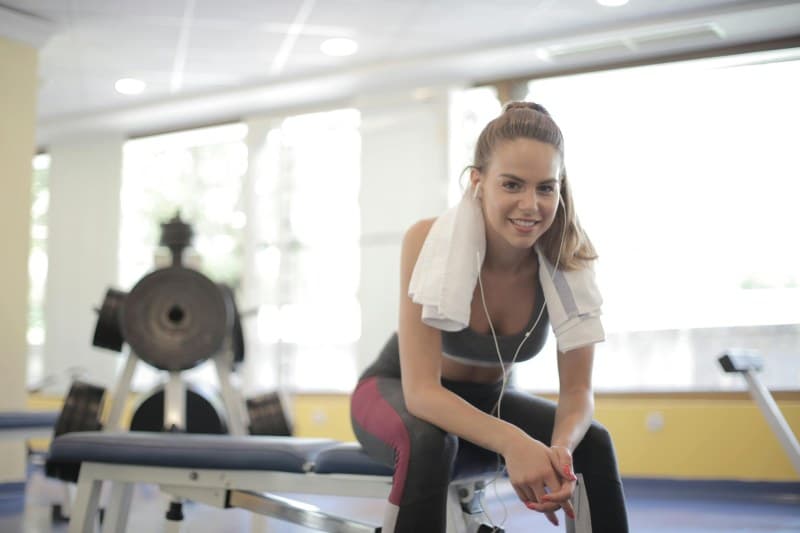
Last week, I tried a new strength training routine that included heavy squats and lunges. The next morning, getting out of bed felt like a small victory—my quads and glutes throbbed with every step. That dull, achy feeling? It’s called Delayed Onset Muscle Soreness (DOMS), and it’s a common sign your muscles are adapting to new challenges.
What Is DOMS, Exactly?
DOMS is the soreness that kicks in 24 to 72 hours after a workout, unlike the immediate burn you feel during exercise. It’s most common when you try new moves, increase intensity, or focus on eccentric (lengthening) muscle contractions—like lowering a weight slowly.
Why Does DOMS Happen?
When you push your muscles beyond their usual range, tiny microtears form in the muscle fibers. Your body responds with inflammation to repair these tears, which triggers the soreness. Think of it as your muscles building back stronger—soreness is a sign of growth, not damage.
3 Common Recovery Methods: Pros & Cons
Not all recovery methods work the same. Here’s how three popular options stack up:
| Method | How It Works | Pros | Cons |
|---|---|---|---|
| Foam Rolling | Applies pressure to tight muscles to boost blood flow | Reduces tightness quickly; no equipment needed | Can be painful if done too hard |
| Static Stretching | Holds muscles in a lengthened position for 30+ seconds | Improves flexibility; eases stiffness | May not reduce soreness immediately |
| Active Recovery | Light movement (walking, yoga) to increase blood flow | Speeds healing; keeps you active without strain | Not ideal for severe soreness |
6 Gentle Ways to Ease DOMS Naturally
You don’t need fancy gadgets to feel better. Try these simple tips:
- Hydrate with electrolytes: Dehydration worsens soreness. Drink water with a pinch of salt or a sports drink to replace lost minerals.
- Warm bath with Epsom salts: The magnesium in Epsom salts helps relax muscles and reduce inflammation. Soak for 15-20 minutes.
- Gentle foam rolling: Roll each sore muscle for 1-2 minutes, focusing on tight spots (but don’t overdo it).
- Protein-rich snack: Muscles need protein to repair. Eat Greek yogurt, nuts, or a protein shake within an hour of your workout.
- Active recovery walk: A 20-minute walk boosts blood flow to sore muscles without adding stress.
- Get enough sleep: Most muscle repair happens while you sleep. Aim for 7-9 hours a night.
Wisdom from the Past
“Rest is not idleness, and to lie sometimes on the grass under trees on a summer’s day, listening to the murmur of the water, or watching the clouds float across the sky, is by no means a waste of time.” — John Lubbock
This quote reminds us that rest is just as important as exercise. Your muscles need time to heal, so don’t feel guilty about taking a day off when soreness is severe.
Common Question: Should I Workout Through Soreness?
Q: Is it okay to hit the gym again if my muscles are still sore?
A: It depends. If soreness is mild (you can move without sharp pain), light activity like swimming or cycling can help. But if you can’t climb stairs or lift your arms, take a rest day. Pushing through severe soreness can lead to injury.
DOMS is a normal part of fitness. With these gentle tips, you can ease the ache and get back to your routine feeling stronger than before.