Last month, I spent three days nurturing my sourdough starter—feeding it religiously, keeping it warm, and watching for bubbles—only to watch my loaf sit flat in the oven. I was ready to toss the whole batch until I learned the small mistakes I’d made. If you’ve ever stared at a dense, unrisen sourdough loaf, you’re not alone. Let’s break down the most common reasons your sourdough isn’t rising and how to fix them.
6 Reasons Your Sourdough Isn’t Rising (And How to Fix Them)
1. Your Starter Is Inactive
A sourdough starter is alive—full of wild yeast and bacteria that need to be active to leaven your bread. If your starter isn’t bubbly, doesn’t double in size within 4-6 hours of feeding, or smells sour (not in a good way), it’s inactive. Fix: Feed it with equal parts (by weight) flour and water daily. Keep it in a warm spot (75°F/24°C) and discard half the starter before each feeding to give the yeast room to grow.
2. You Used Cold Ingredients
Yeast thrives in warm environments. If your flour, water, or starter is cold, the yeast will slow down or stop working. Fix: Let all ingredients come to room temperature before mixing. For extra warmth, place your dough in a turned-off oven with a bowl of hot water nearby.
3. Over-Kneading or Under-Kneading
Gluten is the structure that holds your bread together and traps air bubbles. Under-kneading means gluten doesn’t develop enough, so the dough can’t hold air. Over-kneading breaks down gluten, making the dough too weak to rise. Fix: Knead until the dough passes the “window pane test”—take a small piece, stretch it thin; if it’s translucent without tearing, it’s ready.
4. Not Enough Proofing Time
Sourdough is slow food. Unlike commercial yeast, wild yeast needs time to produce gas. Rushing the proofing (rising) step will result in a flat loaf. Fix: Let your dough proof in a warm spot for 8-12 hours (or 12-24 hours in the fridge for a more complex flavor). Check if it’s ready by pressing a finger into it—if the indentation springs back slowly, it’s done.
5. Wrong Flour Type
Low-protein flour (like cake or pastry flour) doesn’t have enough gluten to support the rise. Whole wheat flour has more protein but also more bran, which can slow yeast growth. Fix: Use bread flour (12-14% protein) for a strong rise, or mix whole wheat with bread flour (50/50) for flavor without sacrificing structure.
6. Too Much Salt
Salt adds flavor and controls yeast growth, but too much will kill the yeast. Most recipes call for 1-2% of the flour weight in salt. Fix: Measure salt precisely with a kitchen scale. Avoid adding salt directly to the starter—mix it into the flour first.
Starter Health Check: Common Issues & Fixes
Not sure what’s wrong with your starter? Use this table to diagnose and fix it:
| Issue | Signs | Fix |
|---|---|---|
| Inactive Starter | No bubbles, doesn’t double in size, smells sour | Feed twice daily, keep warm, discard half each time |
| Overfed Starter | Watery, few bubbles, takes long to rise | Discard most (leave 2-3 tbsp), feed with 1:1 flour/water |
| Underfed Starter | Thick, crusty top, no new bubbles | Discard half, feed with fresh flour/water (1:1) |
Wisdom for Sourdough Success
“The only real stumbling block is fear of failure. In cooking, you’ve got to have a what-the-hell attitude.” — Julia Child
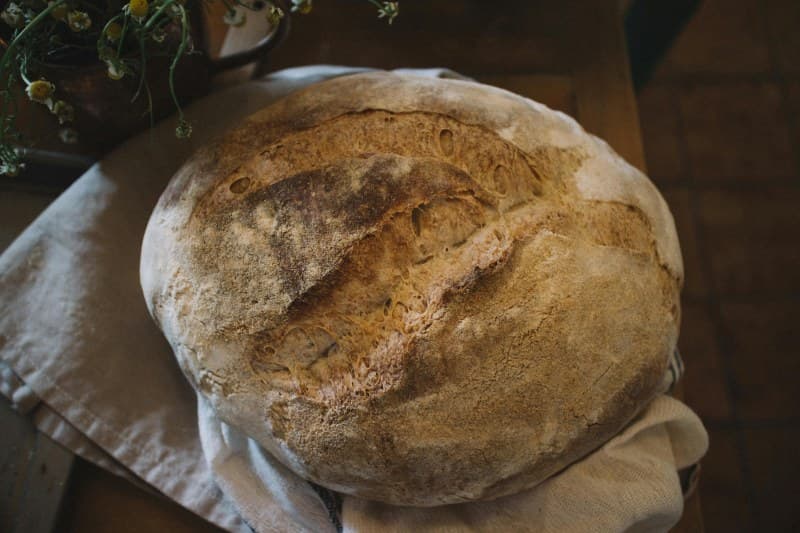
This quote sums up sourdough perfectly. My friend Lila was ready to quit after three flat loaves until she tried proofing her dough in the fridge overnight. The next day, it rose into a beautiful, crusty loaf with big, airy holes. She told me, “I just had to stop rushing and trust the process.”
Quick Q&A: Common Sourdough Questions
Q: Can I save a sourdough starter that’s not rising?
A: Yes! If it’s not moldy or discolored, feed it twice a day with fresh flour and water (1:1 ratio by weight). Keep it in a warm spot (75°F/24°C). After 2-3 days, it should start bubbling again. If not, you may need to start a new starter.
Sourdough is all about patience and observation. Keep a journal of your feeding times, proofing duration, and ingredient temperatures—you’ll soon find what works for your kitchen. Don’t let one flat loaf stop you; every mistake is a step closer to the perfect sourdough.