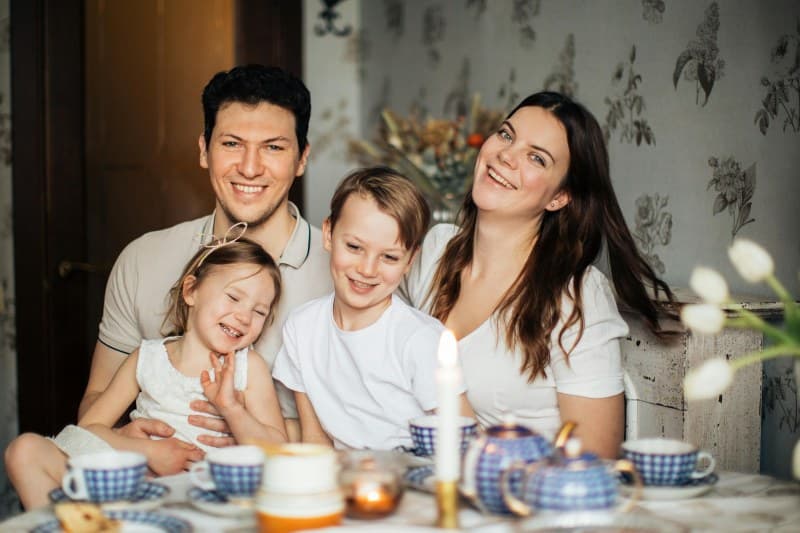
Every Christmas Eve when I was a kid, my family would spend hours rolling out sugar cookie dough, cutting shapes, and decorating with neon sprinkles. But as we grew up—my sister moved across the country, my parents took on busier jobs, and I started working late shifts—the tradition felt less like a joy and more like a checklist. We’d rush through the cookies, barely talking, and by the end, everyone was tired. Sound familiar?
Why Do Family Traditions Lose Their Spark?
Traditions are supposed to bind us, but they can fade for a few key reasons:
1. Life changes: Kids grow up, family members move, or new people (like in-laws or stepkids) join the mix.
2. Rigidity: Sticking to exact rules (e.g., “we must have turkey every Thanksgiving”) even when it no longer fits.
3. Loss of meaning: Over time, we forget why we started the tradition in the first place—like honoring a grandparent who’s no longer with us.
Let’s compare a stale tradition to a refreshed one to see the difference:
| Aspect | Stale Tradition | Refreshed Tradition |
|---|---|---|
| Purpose | Checking boxes to “keep the tradition alive” | Creating joy and connection for everyone involved |
| Flexibility | Fixed rules (e.g., “dinner at 6 PM sharp every Sunday”) | Adaptable (e.g., “Sunday dinner whenever works for most of us—even if it’s brunch”) |
| Participation | Few people do all the work (e.g., mom cooks everything) | Everyone contributes in their way (e.g., teens set the table, dad grills, grandma tells stories) |
5 Ways to Refresh Your Family Traditions
1. Simplify the Overly Complex
My aunt used to host a 5-course holiday meal that took her 2 days to prepare. She was exhausted by the time guests arrived. Now, she does a potluck: everyone brings one dish they love (from her famous mashed potatoes to her teen nephew’s favorite pizza). It’s less work, and everyone feels involved.
2. Add New Members’ Input
When my cousin married a man who loves hiking, they changed their annual “movie night” tradition to a monthly “hike and picnic” day. Now, even the kids look forward to exploring new trails and eating sandwiches together.
3. Tie It to a New Meaning
Instead of just exchanging gifts at Christmas, my family started a “giving circle.” Each person picks a charity (like a local animal shelter or food bank) and donates in someone else’s name. It’s a way to keep the spirit of giving alive while supporting causes we care about.
4. Make It Flexible
My friend’s family used to have weekly Sunday dinners, but with everyone’s busy schedules, it became impossible. Now, they pick a “family day” each month—sometimes it’s a Sunday brunch, sometimes a Friday night game night. The key is that everyone can make it, no matter the day.
5. Honor the Past but Embrace the Present
My grandma’s famous apple pie was a Thanksgiving staple, but my sister is vegan. Instead of skipping the pie, we now make two versions: grandma’s original and a vegan one with coconut milk. Grandma loves teaching us her recipe, and my sister gets to enjoy the tradition too.
“Tradition is not the worship of ashes, but the preservation of fire.” — Gustav Mahler
This quote reminds us that traditions don’t have to stay exactly the same. We just need to keep the “fire” of connection alive—even if the way we do it changes.
FAQ: What If Some Family Members Resist Change?Q: My grandma insists we keep the old Christmas Eve dinner exactly as it was. How do I suggest changes without hurting her feelings?
A: Start small. Ask her to teach you one of her recipes (she’ll love passing it down), then suggest adding a new dish that someone else loves. For example: “Grandma, I love your roast turkey—can we add my sister’s vegan stuffing this year so she can enjoy it too?” Frame it as honoring her tradition while making space for everyone.
At the end of the day, traditions are about love and connection. If a tradition no longer brings joy, it’s okay to change it. The best traditions are the ones that grow with us.