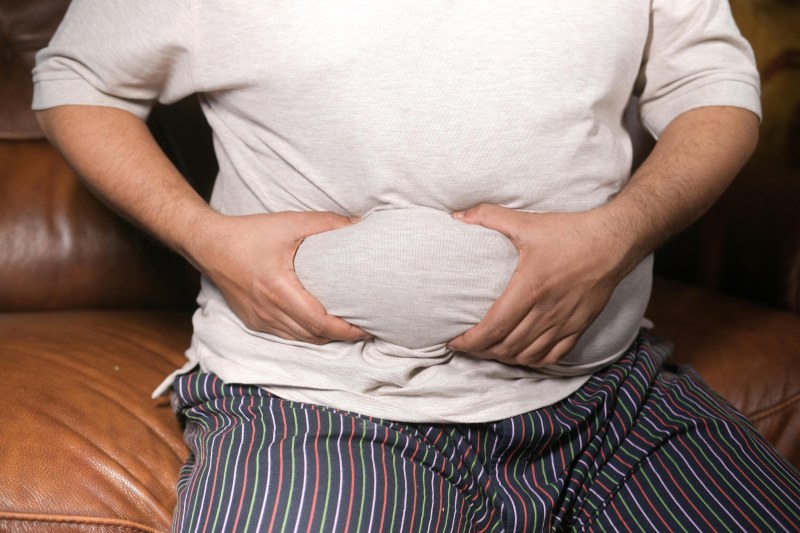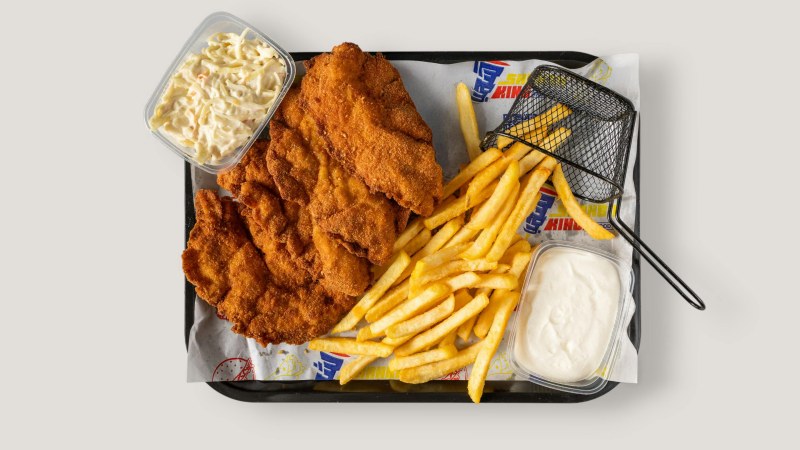
Last week, my friend Lila texted me mid-lunch, complaining about that familiar tight, puffy feeling in her stomach. She’d just finished a salad loaded with beans and a fizzy soda, and by 2 PM, she could barely button her jeans. Sound familiar? Post-meal bloating is one of the most common digestive nuisances, but you don’t have to grin and bear it. Let’s break down two science-backed ways to ease it naturally.
The Two Science-Backed Ways to Beat Post-Meal Bloating
Way 1: Mindful Eating Practices
Mindful eating isn’t just a buzzword—it’s a proven way to slow down digestion and reduce bloating. The key here is to give your body time to process food properly. For example, chewing each bite 20-30 times breaks down food into smaller particles, making it easier for your gut to absorb nutrients without producing excess gas. Eating without distractions (like scrolling through your phone) also helps: when you’re focused on your meal, you’re less likely to swallow air, which is a major cause of bloating.
Way 2: Strategic Food Pairing
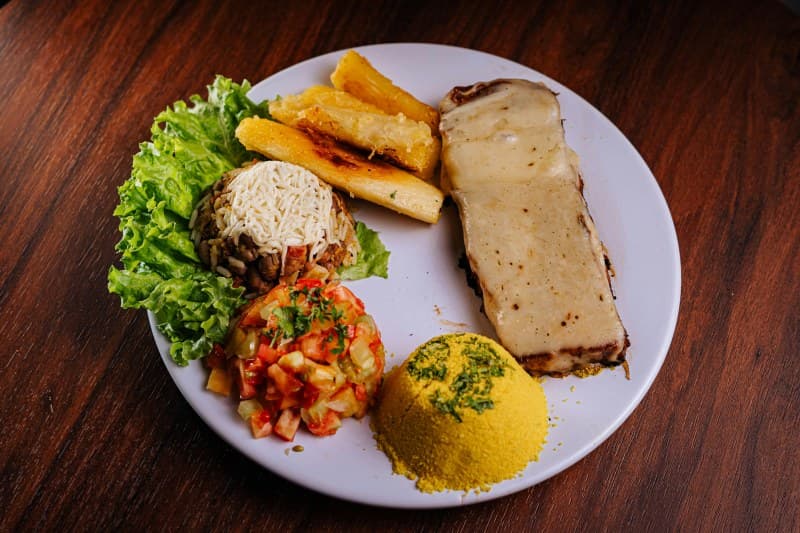
What you eat together matters as much as what you eat. For instance, mixing high-fiber foods (like beans or lentils) with carbonated drinks can trap gas in your gut, leading to bloating. Instead, pair fiber-rich foods with non-carbonated liquids (like water or herbal tea) and balance them with easily digestible proteins (like chicken or tofu). Another tip: avoid combining starchy carbs (like bread) with acidic foods (like tomatoes) if you’re prone to bloating—this combo can slow digestion and cause gas.
Comparison: Mindful Eating vs. Strategic Food Pairing
Let’s see how these two methods stack up:
| Key Aspect | Mindful Eating | Strategic Food Pairing |
|---|---|---|
| Effort Level | Low (requires consistency, not extra work) | Medium (needs meal planning) |
| Time to Results | 1-2 weeks (as habits form) | Immediate (works with your next meal) |
| Pros | No cost, improves overall digestion, reduces overeating | Targeted relief, quick fixes for specific meals |
| Cons | Takes practice to build the habit | May limit food choices temporarily |
“Eat slowly, and you will taste the food better.” — Proverb. This old wisdom aligns perfectly with mindful eating. When you slow down, you not only enjoy your food more but also give your gut the time it needs to avoid bloating.
Common Question About Bloating
Q: Can drinking water during meals help with bloating?
A: Yes—if you drink small sips. Gulping large amounts of water while eating can dilute stomach acid, but sipping water slowly helps soften food and aid digestion. Avoid ice-cold water, though; it can slow down digestion and contribute to bloating.
Whether you choose to focus on mindful eating or strategic food pairing (or both!), the goal is to listen to your body. Start with one method and see how it works for you—small changes can make a big difference in how you feel after meals.