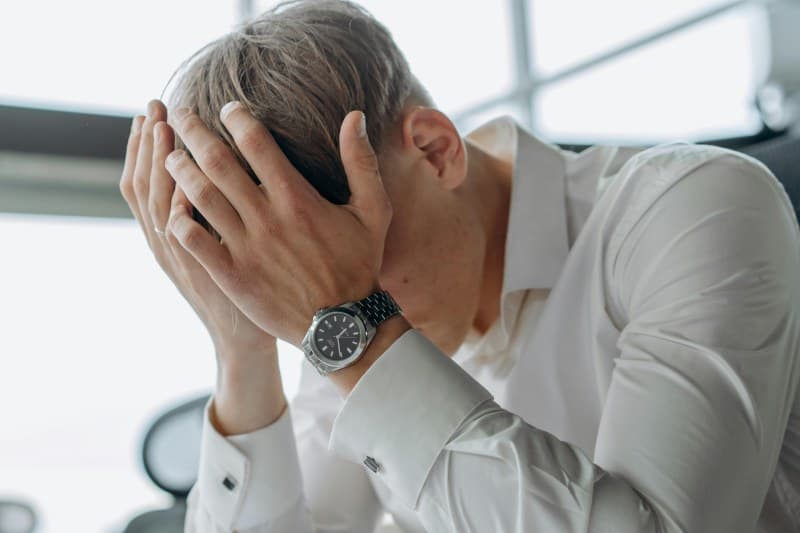
Let’s start with Lila: a 34-year-old teacher juggling lesson plans, her 7-year-old’s soccer practice, and a aging parent’s doctor appointments. Every evening, she’d slump on the couch, heart racing, mind replaying the day’s to-dos. Then she tried a 5-minute breathing exercise before dinner—and noticed her shoulders relaxed, and she could laugh at her kid’s silly jokes instead of snapping. That’s the power of small, natural stress relief.
The 6 Natural Ways to Beat Daily Stress
Below are 6 evidence-backed ways to calm your mind, with a breakdown of what each entails:
| Way | Effort Level | Time Commitment | Pros | Cons |
|---|---|---|---|---|
| Box Breathing | Low | 5 mins | Instant calm, no tools needed | Hard to focus if you’re very stressed |
| Mindful Walking | Low-Med | 10 mins | Combines movement & mindfulness | Requires outdoor space (or a long hallway) |
| Herbal Tea Ritual | Low | 5-10 mins | Warm & comforting, aids sleep | May not work for those sensitive to caffeine (stick to chamomile/lavender) |
| Gratitude Journaling | Low | 3 mins | Shifts focus to positives | Feels forced at first for some |
| Gentle Stretching | Low | 5 mins | Relaxes tight muscles (common in stress) | Need to know basic stretches (or follow a quick video) |
| Calming Music | Low | 10 mins | Easy to integrate into daily tasks | Requires headphones if you’re in a busy space |
Why These Methods Work
Stress triggers your body’s “fight-or-flight” response, raising cortisol levels. These methods help activate the “rest-and-digest” system, lowering cortisol and promoting calm. For example, box breathing (inhale 4 secs, hold 4, exhale 4, hold 4) slows your heart rate immediately.
“We cannot choose our external circumstances, but we can always choose how we respond to them.” — Epictetus
This quote reminds us that stress is often about our reaction, not the situation itself. These natural ways give you tools to respond calmly instead of feeling overwhelmed.
Common Question
Q: Do these methods work for chronic stress?
A: These ways are great for daily stress management, but if you’re dealing with ongoing, intense stress (like anxiety disorders), it’s best to consult a healthcare provider for personalized support. These methods can complement professional care, though.
Final Thoughts
You don’t need fancy tools or hours of time to reduce stress. Lila now does box breathing while waiting for her coffee to brew, and mindful walking after dropping her kid at school. Small, consistent steps add up. Try one method this week—see how it makes you feel.