We’ve all been there: rushing to beat the morning traffic, forgetting your laptop charger, then a last-minute meeting that runs over. Stress creeps in, making even small tasks feel overwhelming. But you don’t need fancy apps or expensive therapy to find calm—sometimes the simplest methods are the most effective.
Way 1: Mindful Breathing (The 4-7-8 Technique)
Mindful breathing isn’t just a trend—it’s rooted in physiology. The 4-7-8 technique (inhale for 4 seconds, hold for 7, exhale for 8) activates your parasympathetic nervous system, which slows your heart rate and lowers cortisol levels (the stress hormone).
How to do it: Sit or stand comfortably, close your eyes, and place one hand on your chest. Breathe in through your nose for 4 counts, hold the air for 7, then exhale slowly through pursed lips for 8. Repeat 3-5 times.
Way 2: Short Bursts of Physical Activity
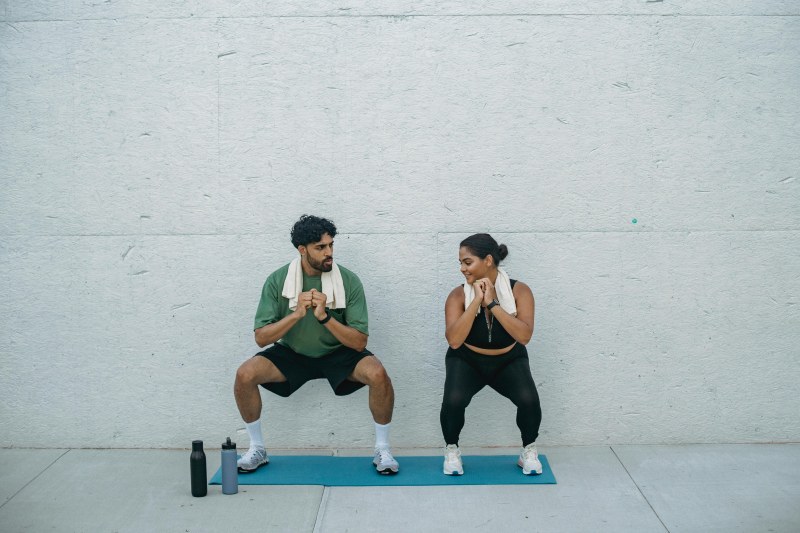
You don’t need a full workout to beat stress. A 10-minute walk, quick stretch, or even a few minutes of dancing to your favorite song can trigger the release of endorphins—your body’s natural mood boosters. These chemicals counteract stress and leave you feeling more relaxed.
Examples: Take a walk around the block during lunch, do 5 minutes of bodyweight squats while waiting for coffee, or dance to a 2-minute upbeat song when you feel tension building.
Compare the Two Ways: Which Fits Your Day?
Here’s a quick breakdown to help you choose:
| Aspect | Mindful Breathing | Short Physical Activity |
|---|---|---|
| Effort Level | Low (just focus on breathing) | Moderate (requires movement) |
| Time Required | 1-5 minutes | 5-10 minutes |
| Immediate Effect | Slows heart rate quickly | Boosts energy and mood |
| Long-Term Benefit | Improves focus and emotional regulation | Strengthens physical resilience to stress |
| Pros | No tools needed; can do anywhere (even in meetings) | Combines stress relief with physical health |
| Cons | May feel awkward at first; needs focus | Requires space and movement (not ideal in tight settings) |
Wisdom to Remember
You have power over your mind—not outside events. Realize this, and you will find strength. — Marcus Aurelius
This ancient quote reminds us that stress often comes from our response to events, not the events themselves. Both mindful breathing and physical activity help you take control of that response, turning chaos into calm.
A Real-Life Example
Sarah, a busy mom of two, used to snap at her kids after a long workday. She tried the 4-7-8 technique every morning while sipping coffee, and a 10-minute walk around the neighborhood during her lunch break. After a week, she noticed she didn’t feel as irritable when her kids spilled juice or forgot their homework. “It’s like I have a little reset button now,” she said.
FAQ: Your Stress Relief Questions Answered
Q: How quickly can I expect to feel less stressed using these methods?
A: For mindful breathing, you’ll notice a slower heart rate and calmer mind within 1-2 minutes. For physical activity, endorphins kick in after 5-10 minutes. Consistent use over 2-3 weeks will help build long-term stress resilience.
Q: Can I combine both methods?
A: Absolutely! Try a 5-minute walk followed by 2 minutes of mindful breathing—this combo gives you both the mood boost of movement and the calm of focused breathing.
Stress is a normal part of life, but you don’t have to let it take over. Whether you choose mindful breathing or a quick walk, these small changes can make a big difference in how you handle daily pressures.