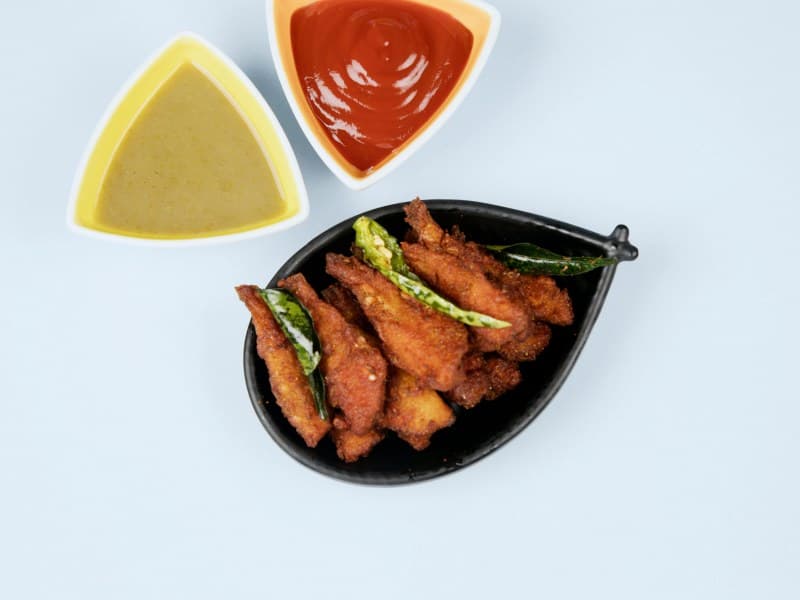
Last month, I tried to make roasted potatoes for a potluck. I tossed them in oil, popped them in the oven, and ended up with soggy, pale spuds that no one touched. Embarrassed, I asked my chef friend for help, and she shared two methods that changed everything: parboiling and dry roasting. These are the only two ways you need to get crispy, golden potatoes every single time.
The Two Foolproof Methods for Crispy Potatoes
1. Parboiling: The "Crunchy on Outside, Fluffy Inside" Method 🍳
Parboiling means boiling potatoes briefly before roasting. Here’s how: Cut potatoes into 1-inch cubes, boil in salted water for 5-7 minutes (until they’re just tender but not falling apart), drain, and shake the colander to rough up the edges. Then toss with oil, salt, and pepper, and roast at 425°F (220°C) for 30-40 minutes. The rough edges get extra crispy, and the inside stays fluffy.
2. Dry Roasting: The "Low-Effort, Crispy Skin" Method 💡
Dry roasting skips the boiling step. Cut potatoes into wedges or cubes, pat them completely dry with a paper towel (this is key!), toss with oil and seasonings, and roast at 450°F (230°C) for 40-50 minutes. Flip halfway through. The dry surface ensures maximum crispiness, especially on the skin.
Wondering which method to pick? Here’s a side-by-side look:
| Method | Prep Time | Texture | Pros | Cons |
|---|---|---|---|---|
| Parboiling | 10-15 mins (including boiling) | Fluffy inside, crispy edges | Consistent results, faster roasting time | Extra step (boiling), requires draining |
| Dry Roasting | 5-10 mins (no boiling) | Crispy skin, firm inside | Less effort, great for potato skins | Longer roasting time, needs thorough drying |
"Cooking is like love; it should be entered into with abandon or not at all." — Harriet Van Horne
This quote rings true for these potato methods. Whether you choose parboiling (with its extra step) or dry roasting (with its patience), committing fully—like drying those potatoes well or shaking the colander—makes all the difference.
My friend Sarah used the parboiling method for her Thanksgiving dinner last year. She cut up 5 pounds of Yukon Gold potatoes, parboiled them, shook the colander until the edges were fuzzy, then roasted them with rosemary and garlic. Her guests kept going back for seconds, saying they were the best roasted potatoes they’d ever had. She even got requests for the recipe!
Common Question About Crispy Potatoes
Q: Can I use any type of potato for these methods?
A: Yes, but some work better. Yukon Golds are great for parboiling (fluffy inside), while Russets are perfect for dry roasting (starchy, crispy skin). Red potatoes work too, but they’ll be firmer. Avoid waxy potatoes like fingerlings if you want maximum crispiness.
Pro Tips to Boost Crispiness
- Use a metal baking sheet (not glass) for better heat distribution.
- Don’t overcrowd the pan—leave space between potatoes so air circulates.
- Add a sprinkle of cornstarch after drying for extra crunch.
Whether you’re making potatoes for a weeknight dinner or a special occasion, these two methods will give you crispy, delicious results. Pick parboiling if you want fluffy insides, or dry roasting if you love crispy skin. Either way, you can’t go wrong!