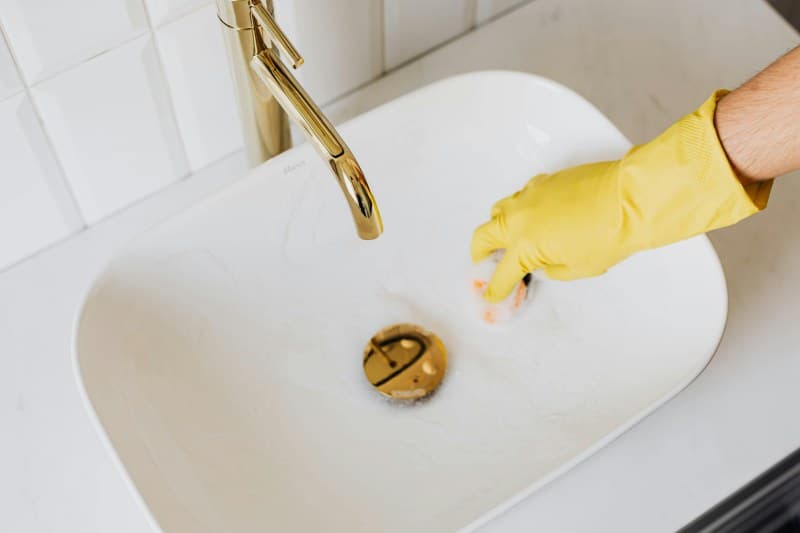
It’s 7 a.m., you’re reaching for the coffee pot, and then you see it: the kitchen sink is full of standing water. Panic sets in—you don’t have harsh drain cleaners, and you don’t want to damage your pipes. What do you do? Unclogging a sink without chemicals is easier than you think, and it’s better for your home and the environment.
Why skip harsh chemicals?
Harsh drain cleaners like Drano or Liquid Plumr use corrosive ingredients that eat through clogs—but they also eat through metal pipes over time. For plastic pipes, they can cause warping or melting. Plus, mixing them with other cleaners (like vinegar) creates toxic fumes that are dangerous to breathe. Ditching chemicals is a win-win.
2 go-to chemical-free methods
These two methods work for most common clogs (food scraps, grease buildup, or hair). Let’s break them down:
Method 1: The Plunger
You need a sink plunger (flat bottom, not the flared toilet kind). Fill the sink with 2–3 inches of water (this helps create suction). If you have a double sink, plug the other drain to seal the system. Plunge up and down firmly 10–15 times—don’t just push! Lift the plunger quickly to break the clog. Flush with hot water.
Method 2: Baking Soda & Vinegar
This is the “fizz” method. Pour ½ cup of baking soda down the drain, then 1 cup of white vinegar. Cover the drain with a plug to trap the fizz (the reaction breaks down clogs). Wait 15–20 minutes, then flush with boiling water (only if you have metal pipes—use hot tap water for plastic).
Here’s how the two methods compare:
| Method | Effort Level | Time Required | Best For | Cost |
|---|---|---|---|---|
| Plunger | Moderate (arm work) | 5–10 minutes | Food scraps, small grease clogs | Low (plunger costs ~$5) |
| Baking Soda + Vinegar | Low (no physical effort) | 20–25 minutes | Grease buildup, hair clogs | Almost free (pantry staples) |
Common myths debunked
- Myth: Boiling water fixes all clogs. Truth: Boiling water can melt plastic pipes or push grease deeper into the drain (making it worse).
- Myth: Any plunger works. Truth: Toilet plungers have a flared end that won’t seal a sink drain—use a flat-bottomed sink plunger.
Pro tips to prevent future clogs
- Use a drain strainer to catch food scraps and hair.
- Pour hot water down the drain after each meal to melt small grease bits.
- Never pour grease, oil, or coffee grounds down the sink (they harden and clog).
“An ounce of prevention is worth a pound of cure.” — Benjamin Franklin
This old saying hits home here. Taking 10 seconds to put a strainer in your sink saves you from the stress of a clogged drain later. My roommate learned this the hard way: last year, she poured bacon grease down the sink, and we had to call a plumber ($150!) to fix the deep clog. Now, we keep a strainer in place and dispose of grease in a jar.
FAQ: What if neither method works?
Q: I tried both methods, but the sink is still clogged. What now?
A: First, check the drain trap (the U-shaped pipe under the sink). Place a bucket under it to catch water, then unscrew the nuts holding it in place. Empty any debris (you might find a clump of food or hair). If that doesn’t help, the clog is probably in the main line—call a professional plumber. They have tools like augers to reach deep clogs safely.