Last year, I packed my bags for a two-week trip to Thailand and forgot one crucial item: my reusable water bottle. By the end of the trip, I’d bought six single-use plastic bottles—each one adding to the guilt of contributing to waste. That experience pushed me to figure out how to travel smarter with reusable bottles, and I’ve learned a lot since then.
5 Myths About Traveling with Reusable Bottles (Debunked)
Let’s start with the myths that might be holding you back from ditching plastic. Here’s what you need to know:
| Myth | Truth |
|---|---|
| You can’t take reusable bottles through airport security | Empty bottles are allowed! Fill them up at water fountains or refill stations after passing through security. |
| All tap water abroad is unsafe to drink | Many countries (like Iceland, Canada, and Japan) have safe tap water. Check local guides before your trip. |
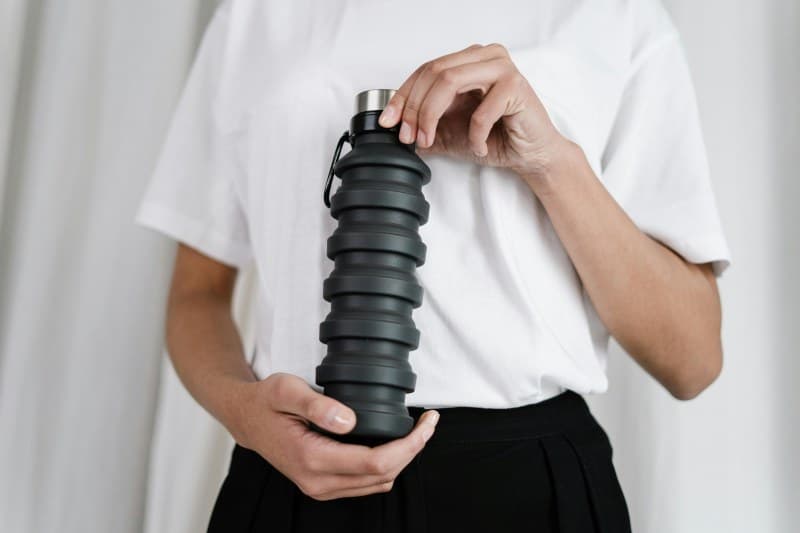
| Reusable bottles are too heavy for travel | Lightweight options (collapsible silicone, thin stainless steel) weigh almost nothing when empty. |
| Refill stations are hard to find | Most cafes, hotels, and airports now have free refill points—use apps like Refill or Tap to find them. |
| It’s not worth the hassle | Over a week, you’ll save money (plastic bottles cost $2–$5 each) and reduce your plastic footprint. |
Practical Tips for Choosing the Right Bottle
Not all reusable bottles are the same. Pick one that fits your travel style:
| Bottle Type | Best For | Pros | Cons |
|---|---|---|---|
| Stainless Steel (Insulated) | Backpacking, cold climates | Keeps drinks hot/cold for hours; durable | Heavier than other options |
| Collapsible Silicone | City breaks, carry-on only | Lightweight; folds down when empty | Not insulated; can retain odors |
| Filter Bottle (e.g., LifeStraw) | Countries with unsafe tap water | Removes bacteria and contaminants | Bulky; needs regular filter changes |
Destination-Specific Hacks
Your bottle strategy should adapt to where you’re going:
- Japan: Tap water is safe—fill up at convenience stores (they have free water dispensers).
- Mexico: Use a filter bottle to avoid buying bottled water. Many hotels also offer filtered water stations.
- Iceland: You can drink from any stream or tap—fill up your bottle anywhere!
- Airports: Look for refill stations near gates (most major airports have them now).
“We do not inherit the earth from our ancestors; we borrow it from our children.” — Native American Proverb
This quote reminds me why reusable bottles matter. Every plastic bottle we avoid buying is a small step toward protecting the planet for future travelers.
Common Q&A
Q: Can I bring a full reusable bottle through airport security?
A: No, but empty bottles are allowed. Once you’re through security, you can fill up at water fountains or filtered stations. Some airports even have stations that dispense cold, sparkling, or flavored water for free.
Q: How do I clean my bottle while traveling?
A: Use a small bottle brush and mild soap (pack travel-sized soap). For silicone bottles, you can even boil them if you have access to a kitchen.
Traveling with a reusable bottle doesn’t have to be a hassle. It’s a simple way to save money, reduce waste, and stay hydrated—no matter where your adventures take you.