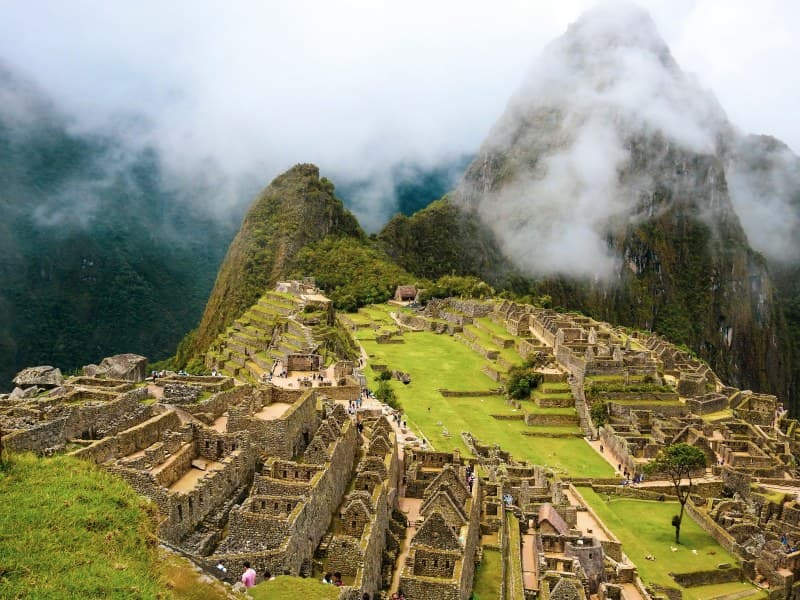
Walking through a UNESCO World Heritage Site feels like stepping into a living story—whether it’s the ancient ruins of Machu Picchu or the colorful canals of Venice. But how do you make the most of your visit without feeling overwhelmed? Many travelers stick to the main paths or rush through, missing the hidden layers that make these places special. Let’s break down two key approaches to exploring UNESCO sites, plus bust some common myths and share local insights.
Two Ways to Explore UNESCO Sites: Deep Dive vs. Casual Discovery
Not every traveler wants the same experience. Some crave every detail of a site’s history, while others just want to soak in the atmosphere. Here’s how the two approaches stack up:
| Aspect | Deep Dive Approach | Casual Discovery Approach |
|---|---|---|
| Focus | History, architecture, cultural context | Atmosphere, personal connection, unexpected moments |
| Preparation | Research beforehand (books, documentaries) | Minimal prep—let curiosity lead |
| Time Spent | 4+ hours (or multiple days) | 1–2 hours (or a quick stop) |
| Ideal For | History lovers, students, cultural enthusiasts | Family travelers, busy itineraries, spontaneous explorers |
| Key Activity | Guided tour with an expert, note museum visits | Wandering, people-watching, local food nearby |
Deep Dive: The History Buff’s Way
Take my friend Lila, who visited the Great Wall of China last year. She spent weeks reading about the Ming Dynasty’s construction techniques and watched three documentaries before her trip. When she arrived, she booked a private tour with a local historian who took her to less crowded sections. She learned about the soldiers who guarded the wall and the stories of villagers who lived nearby nearby. By the end of the day, she didn’t just see the wall—she felt its weight in history.
Casual Discovery: The Spontaneous Traveler’s Joy
On the flip side, my cousin Jake visited the same Great Wall but with no plan. He followed a group of local hikers to a quiet spot where he sat on a stone and shared snacks with a family from Beijing. They told him about their weekend traditions of hiking the wall and pointed out the best views for sunset. Jake left with no new historical facts, but he had a memory of laughing with strangers that he still talks about.
Myths About UNESCO Sites Debunked
Let’s clear up some common misconceptions:
- Myth 1: You have to be a history expert to enjoy them. False! Even if you don’t know the difference between a Roman column and a Greek one, the beauty and scale of sites like the Colosseum will still take your breath away.
- Myth 2: All UNESCO sites are crowded. False! Many sites have off-the-beaten-path sections. For example, the Angkor Wat complex in Cambodia has lesser-known temples like Ta Prohm that are less crowded and just as magical.
“The world is a book, and those who do not travel read only one page.” — Saint Augustine
This quote rings true for UNESCO sites. Each one is a chapter in the world’s story, and whether you read every word (deep dive) or flip through the pages (casual discovery), you’re still expanding your understanding of the world.
Local Tips to Enhance Your Visit
Here are a few tips from locals who live near UNESCO sites:
- Visit early in the morning or late in the afternoon to avoid crowds and harsh sunlight.
- Try local food nearby—for example, after visiting the Taj Mahal, eat at a small restaurant in Agra that serves authentic Mughlai cuisine.
- Respect the site’s rules: don’t touch ancient carvings or litter. Many sites are fragile and need to be preserved for future generations. FAQ: Common Questions About UNESCO Site Visits
Q: Can I take photos inside all UNESCO sites? A: No. Some sites (>t photography inside museums or sacred areas. Always check the signs or ask a staff member before taking pictures.
Whether you’re a deep diver or a casual explorer, UNESCO sites offer something for everyone. The key is to choose an approach that fits your travel style and keep an open mind—you never know what hidden gems you’ll find.