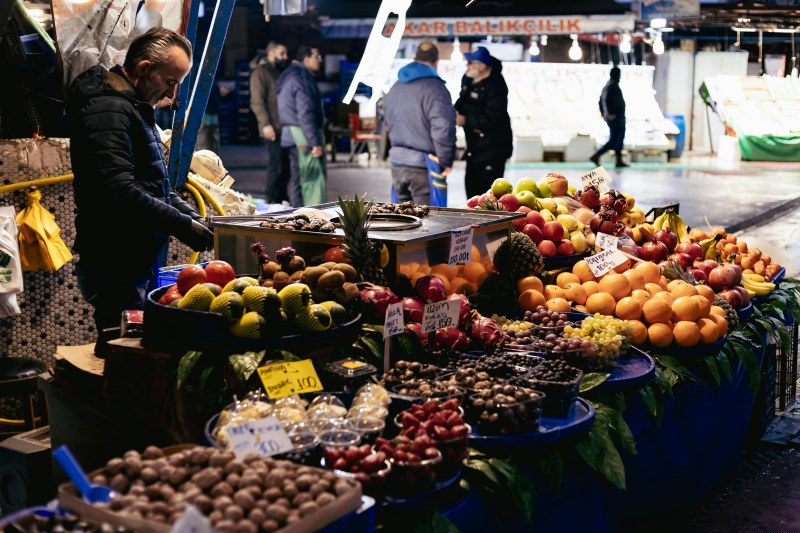
Last year, I spent three days in Paris checking off every guidebook landmark: the Eiffel Tower, Louvre, Notre-Dame. But my most memorable moment? A local barista suggested a tiny park near my hotel where I sat on a bench, ate a buttery croissant, and watched kids chase pigeons while their grandparents chatted. That day, I realized traveling like a local isn’t about visiting hidden spots—it’s about shifting how you see the world.
The Two Key Mindsets to Travel Like a Local ✨
1. Curiosity Over Checklists
Most travelers arrive with a list of must-see spots. But locals don’t live by checklists—they follow what interests them. For example, in Lisbon, instead of rushing to Belem Tower, wander the Alfama district. Stop at a family-run tasca (tavern) where the owner serves you sardines and tells stories about his childhood. Curiosity turns a trip into an adventure.
2. Slow Over Fast
We often try to cram 10 places into one day. Locals take their time. In Bali, instead of hopping between temples, spend a full day in Ubud. Take a cooking class with a local family, walk through the rice terraces, and sit at a street stall for dinner. Slow travel lets you notice the little things: the sound of a gamelan band, the smell of frangipani, the warmth of a local’s smile.
Checklist vs. Local Mindset: A Quick Comparison
Here’s how these mindsets change your travel experience:
| Aspect | Checklist Travel | Local Mindset Travel |
|---|---|---|
| Pace | Fast (rush between spots) | Slow (savor each moment) |
| Focus | Landmarks (photo ops) | Experiences (stories) |
| Interactions | Minimal (only with vendors) | Meaningful (chat with locals) |
| Food | Tourist restaurants (overpriced) | Local eateries (authentic, cheap) |
| Memories | “I saw the Eiffel Tower” | “I met a baker who taught me to make croissants” |
A Classic Quote to Live By
“Travel isn’t about the destination, it’s about the journey.” — Anthony Bourdain
This line sums up why mindset matters. Bourdain didn’t just visit places—he immersed himself in them. He ate street food, talked to locals, and shared their stories. That’s the spirit of traveling like a local.
A Relatable Story: Mia’s Kyoto Adventure
My friend Mia planned a 2-day trip to Kyoto with a list of 10 temples. On day one, she visited three temples but felt drained. A local at a tea shop noticed her fatigue and said, “Skip the crowded temples—go to the bamboo grove behind the old shrine.” Mia followed his advice. She spent the afternoon walking through the quiet grove, met an elderly man who taught her to weave bamboo, and had a picnic with local mochi. That afternoon became her favorite memory of the trip.
FAQ: Do I Need to Speak the Local Language?
Q: I don’t speak the local language—can I still travel like a local?
A: Absolutely! Even basic phrases (hello, thank you, please) go a long way. Use translation apps like Google Translate, gestures, and smiles. Mia didn’t speak Japanese, but she connected with the bamboo weaver using a translation app and shared snacks. Language is a barrier, but kindness and curiosity break it down.
Practical Tips to Try Today 🚶♀️
- Ask locals: When you stop for coffee or food, ask, “What’s your favorite spot in this area?” You’ll get hidden gems.
- Ditch the guidebook for a day: Wander without a plan. You might find a cozy bookstore or a street market.
- Take public transport: Buses and trains are where locals hang out. You’ll see daily life and save money.
Traveling like a local isn’t about being perfect—it’s about being open. Next time you’re on a trip, try one of these mindsets. You might be surprised by the stories you bring home.