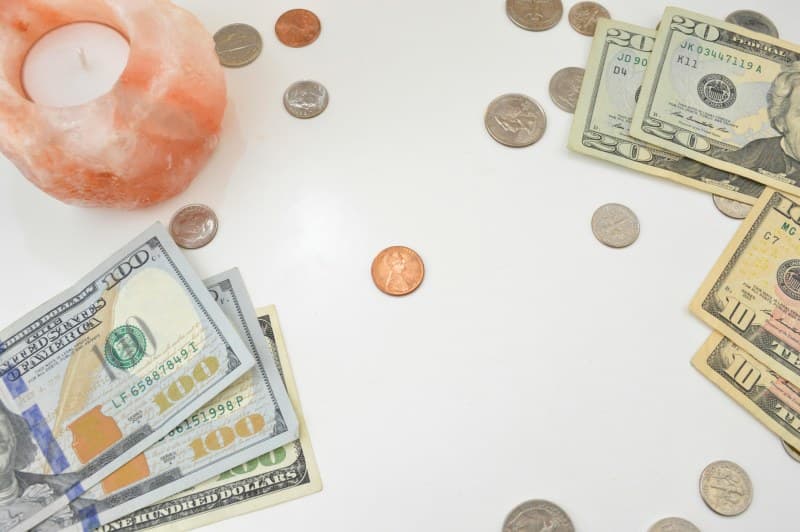
Imagine grabbing your morning coffee: you tap your phone, and the payment goes through in seconds. It’s so easy, you barely think about it. But not long ago—like, thousands of years ago—you’d have to trade a bag of wheat or a handcrafted tool for that coffee (if coffee even existed back then). Money’s journey from barter to digital has not only changed how we spend but also how we save. Let’s dive into the four key turning points that shaped our modern savings habits.
4 Key Turning Points in Money’s Evolution
Each shift in money’s history solved a problem—like how to store value or trade easily. Here’s a quick breakdown:
| Turning Point | Time Period | Core Change | Impact on Savings |
|---|---|---|---|
| Barter System | Pre-3000 BCE | Direct trade of goods/services; no standard value | Savings limited to non-perishables (tools, grain); hard to build long-term wealth |
| Standardized Coinage | c. 600 BCE (Lydia, modern Turkey) | Metal coins with fixed value, backed by rulers | First easy way to store wealth; hoarding coins for emergencies became common |
| Paper Money | 7th Century CE (China), 17th Century Europe | Paper notes representing gold/silver reserves | Banks emerged; savings shifted to interest-bearing accounts instead of home hoarding |
| Digital Payments | Late 20th Century onwards | Electronic transfers, mobile apps, crypto | Automatic savings tools (round-ups, auto-deposits) made saving effortless; global access to savings accounts |
1. Barter: The Roots of Saving (Pre-3000 BCE)
Before money existed, people traded what they had for what they needed. A farmer might swap wheat for a blacksmith’s tools, or a weaver might trade cloth for medicine. But saving was tricky: if you had extra wheat, it would rot. If you had extra cloth, it might get moth-eaten. The only way to save was to hoard non-perishable items—like stone tools or pottery. This taught early humans a key lesson: save things that hold their value over time.
2. Coinage: The Game-Changer (c. 600 BCE)
The first standardized coins appeared in Lydia (modern-day Turkey) around 600 BCE. These coins were made of electrum (a mix of gold and silver) and stamped with a lion’s head to show their value. Suddenly, people could carry a small, durable item that represented wealth. Saving became easier: you could put coins in a jar or a chest and keep them for later. This is where the idea of "saving for a rainy day" started—those coins were a safety net.
3. Paper Money: From China to the World (7th Century CE)
Paper money was invented in China during the Tang Dynasty. It started as "flying cash"—paper certificates that could be exchanged for gold or silver at any government office. By the 17th century, European banks began issuing paper notes. This made money lighter and easier to carry, but more importantly, it led to the rise of banks. Instead of hiding coins under your mattress, you could deposit them in a bank and earn interest. For the first time, savings could grow without you doing anything.
4. Digital Payments: Saving Without Thinking (Late 20th Century)
The rise of credit cards, online banking, and mobile apps changed everything. Now, you can pay for groceries with your phone, transfer money to a friend in seconds, or set up automatic savings. Apps like Acorns round up your purchases to the nearest dollar and put the change into a savings account. This makes saving effortless—you don’t even have to think about it. It’s a modern take on the old coin jar, but with a digital twist.
"Money is a matter of functions four: a medium, a measure, a standard, a store." — William Stanley Jevons
Jevons, a 19th-century economist, summed up money’s core roles. Each turning point expanded these functions—especially the "store" role, which is at the heart of saving. From barter to digital, every shift made it easier to save and grow wealth.
A Story of Savings Through Generations
My grandma’s friend, Mrs. Lee, grew up in rural South Korea in the 1950s. Back then, her family bartered rice for cloth and medicine. When she got her first job in the 1970s, she started saving every won coin in a ceramic jar. Even now, at 82, she keeps a small jar of coins on her kitchen counter. "Coins feel real," she says. "They remind me that every little bit adds up—just like the rice my mom saved for hard times." Mrs. Lee’s jar is a link between the coinage era and today’s digital savings tools. It shows that the spirit of saving hasn’t changed, even if the methods have.
Common Question: How Does This History Affect My Daily Savings?
Q: "Why should I care about old coinage or barter when I use a phone to pay for everything?"
A: "Because each shift left a mark on how we think about saving. For example:
1. Barter’s lesson: Save things that hold value (like emergency funds instead of perishable goods).
2. Coinage’s gift: The idea of small, consistent savings (those loose coins add up!).
3. Paper money’s legacy: Trusting banks to keep our savings safe and grow them with interest.
4. Digital’s edge: Automatic savings tools (like rounding up your coffee purchase to save the change) make it easier than ever to stick to a habit."
Money’s history is more than just a story about the past—it’s a guide to how we save today. Next time you tap your phone to pay, or put a coin in a jar, remember: you’re part of a long journey of saving and growing wealth. And that’s something to hold onto.