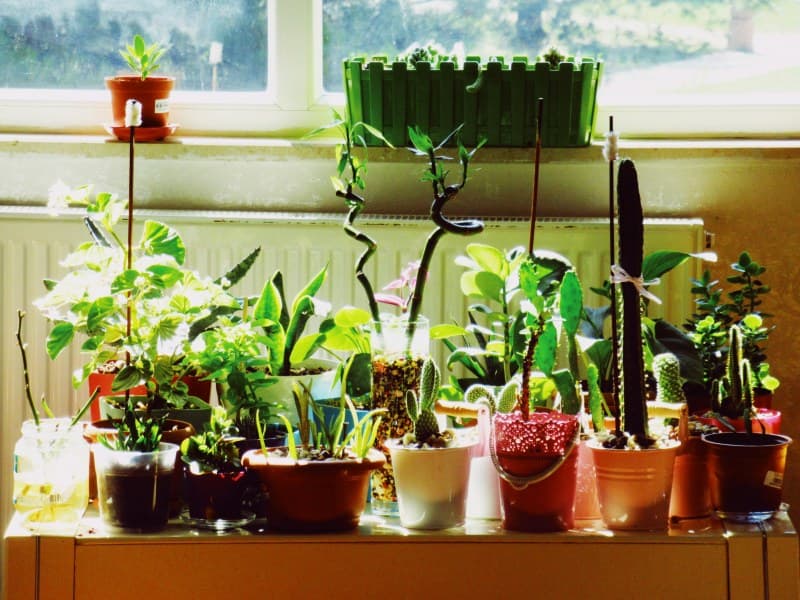
Last week, I walked into my kitchen to find my basil plant—once lush and fragrant—drooping like a sad balloon. I’d been swamped with work and forgot to check on it for three days. The leaves were curled and pale, and I thought it was a goner. But after a few simple steps, it perked back up in 24 hours. If you’ve ever faced this wilting herb disappointment, you’re not alone.
Why Do Indoor Herbs Wilt?
Wilting is your plant’s way of saying something’s off. Common triggers include:
- Underwatering (most frequent cause: soil dries out completely)
- Overwatering (roots rot from too much moisture)
- Insufficient light (herbs need 6-8 hours of sun daily)
- Temperature stress (drafts or extreme heat)
- Pot-bound roots (roots outgrow the pot, limiting water uptake)
To help you target the issue, here’s a quick comparison of common herbs and their wilting triggers:
| Herb Type | Most Common Wilting Trigger | Quick Fix |
|---|---|---|
| Basil | Underwatering | Submerge pot in water for 10 mins |
| Mint | Overwatering | Let soil dry out completely before next water |
| Rosemary | Insufficient light | Move to a south-facing window |
7 Easy Ways to Revive Wilted Herbs
- Trim Wilted Foliage: Cut off all brown or curled leaves to redirect energy to healthy growth.
- Soak the Roots: Fill a bowl with water and submerge the pot (up to the soil line) for 10-15 mins. This rehydrates dry soil evenly.
- Adjust Watering Schedule: Stick your finger 1 inch into the soil—water only if it feels dry.
- Move to Optimal Light: Place herbs near a sunny window (south or west-facing) or use a grow light for 6-8 hours daily.
- Repot if Pot-Bound: If roots are growing out of drainage holes, transfer to a pot 1-2 inches larger with fresh potting soil.
- Treat Pests: Spray aphids or spider mites with diluted neem oil (1 tsp oil + 1 quart water).
- Feed Mildly: Use diluted liquid fertilizer (half strength) once a month to boost nutrients.
Classic Wisdom for Plant Parents
The best time to plant a tree was 20 years ago. The second best time is now. — Chinese Proverb
This applies to reviving herbs too. Even if your plant looks beyond saving, giving it a little care can bring it back to life. Don’t give up on it too soon.
Common Q&A
Q: Can I save herbs that have turned completely brown?
A: If the stems are still green and firm, yes! Trim all brown leaves and follow the revival steps. If stems are mushy or black, it’s likely root rot—try repotting with fresh soil and cutting away rotting roots, but success is less guaranteed.
Myth Busting: Wilted Herbs = Dead Herbs?
Myth: Once herbs wilt, they’re dead forever. Fact: Wilt is often a temporary stress response. For example, underwatered basil will perk up within hours of being soaked. Overwatered mint just needs time to dry out. The key is to identify the cause and act fast.
With these tips, you can turn your sad, wilted herbs back into thriving plants that add flavor to your meals and life to your kitchen.