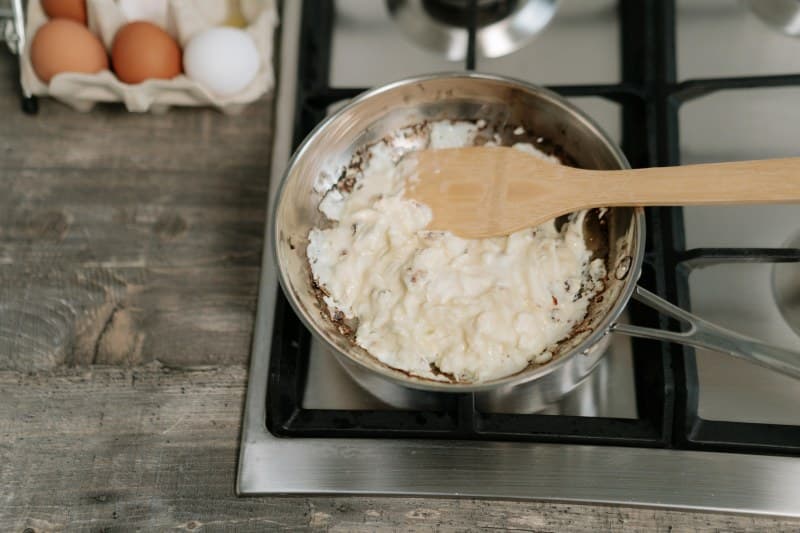
Last weekend, I invited friends over for brunch and decided to make scrambled eggs—simple, right? But instead of the fluffy, creamy batch I pictured, I ended up with a pan of runny, watery eggs that looked more like egg soup. My friends were polite, but I knew I’d messed up. After some research and trial, I found out exactly why it happened and how to fix it.
Why Do Scrambled Eggs Turn Watery?
Watery scrambled eggs usually come down to two main mistakes:
- Overcooking: When eggs get too hot, they release water from the proteins. This is called "syneresis"—fancy term for the liquid separating from the solid parts.
- Adding liquid too late: Pouring milk or cream into already cooking eggs can cause the liquid to not mix properly, leading to a watery mess.
Two Easy Fixes for Creamy Scrambled Eggs
Fix 1: Cook on Low Heat & Stir Slowly
High heat is your enemy here. Turn the stove to medium-low and stir the eggs gently with a spatula every few seconds. This allows the eggs to cook evenly without releasing excess water. Stop cooking when they’re still slightly runny—they’ll continue to set off the heat.
Fix 2: Add Liquid at the Start
Whisk your eggs with milk or cream (1 tbsp per 2 eggs) before pouring them into the pan. This way, the liquid is fully incorporated into the egg mixture, so it cooks into the eggs instead of pooling at the bottom.
Let’s compare the wrong and right methods side by side:
| Aspect | Wrong Method | Right Method |
|---|---|---|
| Heat Level | High (causes rapid cooking & water release) | Medium-low (slow, even cooking) |
| Liquid Addition | Mid-cook (leads to separation) | Before cooking (fully mixed) |
| Stirring | Rapid, aggressive (breaks eggs into small pieces) | Gentle, occasional (keeps eggs creamy) |
"The only real stumbling block is fear of failure. In cooking, you’ve got to have a what-the-hell attitude." — Julia Child
This quote reminds me that even the best chefs make mistakes. My brunch disaster taught me to slow down and not rush the process—patience is key to perfect scrambled eggs.
FAQ: Common Question About Scrambled Eggs
Q: Can I use water instead of milk for creamy scrambled eggs?
A: Yes! Water works if you don’t have milk or cream. Use 1 teaspoon of water per egg—just enough to add moisture without making the eggs watery. Whisk it in before cooking for the best results.
Since fixing my method, I’ve made scrambled eggs every weekend without a watery mess. My friends even ask for my "secret recipe" now—little do they know it’s just two simple fixes!