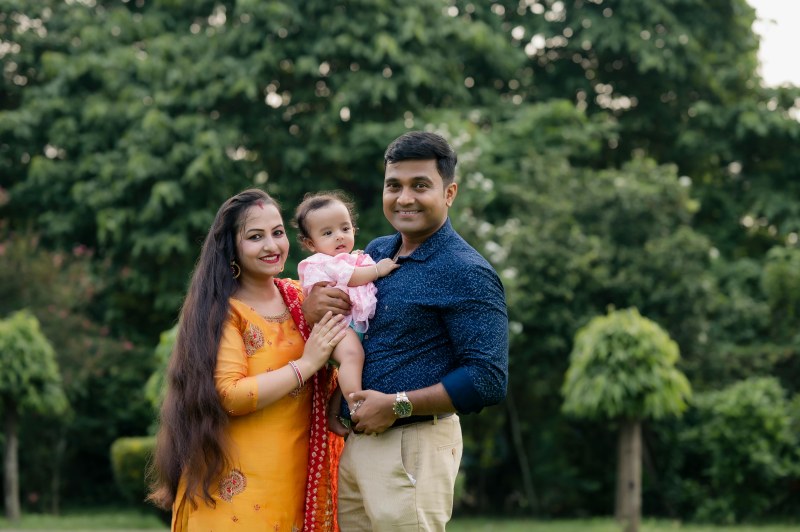
Let’s start with a story: Lila packs her kids’ lunches every school day—cutting fruit into stars, adding handwritten notes, and remembering their favorite snacks. For five years, no one has said ‘thank you.’ Last week, she forgot a snack, and her 12-year-old groaned, ‘Mom, you always forget!’ Lila’s eyes stung. All her quiet effort felt invisible, and the resentment she’d been ignoring bubbled over.
Why unthanked small acts hurt so much
Small, daily tasks—making coffee, folding laundry, taking out the trash—are easy to overlook. But when they’re unacknowledged, they don’t just fade. They pile up. Here’s why:
- Cumulative effort: A single lunch might seem trivial, but 180 lunches a year? That’s hours of care.
- Feeling unseen: When no one notices, you start to wonder if your work matters to them.
- Cultural norms: Many families treat routine tasks as ‘expected,’ so thanks feel unnecessary—but that doesn’t mean the effort isn’t real.
Myths vs. Reality About Family Gratitude
Let’s bust some common myths that keep this cycle going:
| Myth | Reality |
|---|---|
| Family shouldn’t need to say thanks for routine tasks. | Routine tasks still take time and energy—thanks validates that effort. |
| Bringing up gratitude will cause conflict. | Gentle, vulnerable communication (not demands) opens dialogue, not fights. |
| It’s only about the words “thank you.” | Small gestures (like helping with a task in return) are just as meaningful. |
7 Gentle Ways to Fix the Unspoken Resentment
You don’t have to yell or guilt-trip. Try these kind, actionable steps:
- Model gratitude first: Start saying thanks for their small acts (e.g., “Thanks for taking the dog out—you saved me a trip!”). People often mirror what they see.
- Share your feelings, not blame: Instead of “You never thank me,” say “I love making your breakfast, and it would mean a lot if you could acknowledge it sometimes.”
- Create a “gratitude minute” at meals: Go around the table and mention one small thing someone did that day you appreciated.
- Swap tasks: Ask your family to take over one of your routine tasks for a week—they’ll quickly see how much work it takes.
- Use non-verbal thanks: Leave a sticky note (“Loved the coffee—you’re the best!”) or a hug to show you notice.
- Normalize imperfection: If you forget a task, say “Oops, I missed that today—sorry!” This takes pressure off everyone to be perfect.
- Celebrate small wins: When someone does say thanks, acknowledge it (e.g., “That made my day—thank you for noticing!”).
A Classic Thought on Gratitude
“Gratitude is not only the greatest of virtues but the parent of all others.” — Marcus Aurelius
This quote rings true for families. When gratitude is present, it fosters kindness, patience, and connection. It turns routine into love.
FAQ: Is it selfish to want thanks from family?
Q: I feel silly asking my family to say “thank you” for things I do anyway. Am I being selfish?
A: No! Wanting your effort to be seen is human. Gratitude isn’t about ego—it’s about feeling valued. Think of it as nurturing your family bond: when everyone feels appreciated, the whole family is happier.
Final Thought
Unspoken resentment from small acts doesn’t have to define your family. With a little communication and intentionality, you can turn invisible effort into visible love. Start small—even one “thank you” a day can make a big difference.