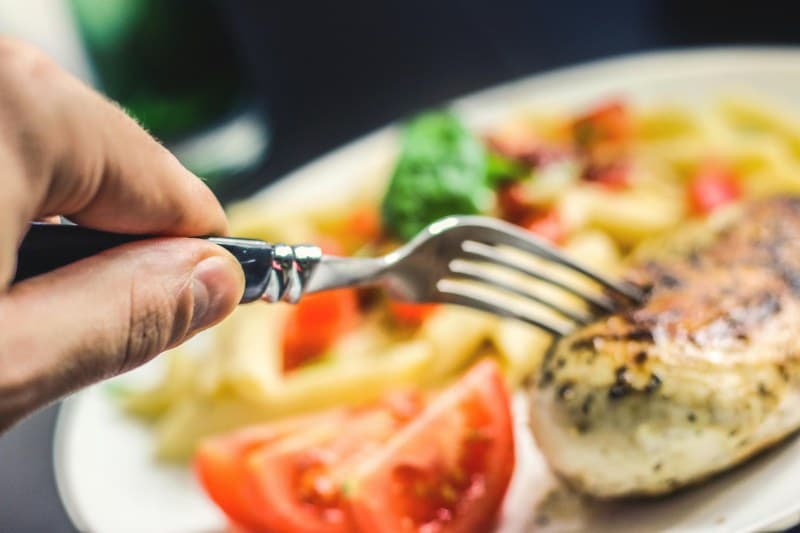
Last week, I dug into a huge bowl of creamy white pasta for lunch. By 2 PM, I was staring at my laptop screen, eyes heavy, wondering if I could sneak a 10-minute nap under my desk. Sound familiar? That sluggish, 'can’t focus' feeling after eating carbs is something many of us deal with—but it doesn’t have to be a given.
Why Carbs Sometimes Leave You Sluggish
Carbs are your body’s main energy source—they break down into glucose, which fuels your cells. But the type of carbs and how you eat them makes all the difference. Refined carbs (like white bread, pastries, or plain white pasta) digest super fast. This causes a quick blood sugar spike, followed by a crash when your body releases insulin to bring levels back down. That crash is what leaves you reaching for a coffee or a nap.
On the flip side, complex carbs (think oats, quinoa, or sweet potatoes) have fiber and nutrients that slow digestion. They release glucose gradually, keeping your energy steady instead of spiking and crashing.
Let’s compare the two types of carbs side by side:
| Type of Carb | Digestion Speed | Blood Sugar Impact | Energy Effect |
|---|---|---|---|
| Refined (white bread, pasta) | Fast | Spike then crash | Short burst, then slump |
| Complex (oats, quinoa) | Slow | Steady rise | Long-lasting, consistent energy |
6 Ways to Beat the Post-Carb Slump
You don’t have to give up carbs to avoid the slump. Try these simple, science-backed tweaks:
- Pair carbs with protein or fat: Adding protein (like chicken, beans) or fat (avocado, nuts) to your carbs slows digestion. For example, swap a plain bagel for a bagel with peanut butter, or add grilled chicken to your pasta.
- Choose whole grains: Swap white rice for brown, white bread for whole wheat. Whole grains have fiber that keeps energy steady.
- Add fiber: Even if you eat refined carbs, toss in veggies (spinach in pasta, lettuce in a sandwich) to boost fiber and slow digestion.
- Control portions: A huge plate of carbs is more likely to cause a crash. Try smaller servings—like 1 cup of pasta instead of 2.
- Stay hydrated: Dehydration makes fatigue worse. Drink a glass of water with your meal.
- Move a little: A 5-minute walk after eating helps with digestion and keeps blood flowing, preventing slumps. Try a quick stroll around the office or neighborhood.
“Let food be thy medicine and medicine be thy food.” — Hippocrates
This ancient wisdom rings true here. The food you choose directly impacts how you feel. By making smart carb choices and pairings, you can turn carbs from an energy drain into a steady fuel source.
Common Question
Q: Are all carbs bad for energy?
A: No! Carbs are your body’s primary energy source. The problem comes from eating too many refined carbs (without fiber, protein, or fat) in one sitting. Complex carbs, when paired well, provide long-lasting energy that keeps you going.
Next time you reach for that slice of bread or bowl of rice, remember these tips. Small changes—like adding a side of veggies or a dollop of hummus—can make a big difference in how you feel the rest of the day. No more mid-afternoon slumps; just steady energy to get things done.