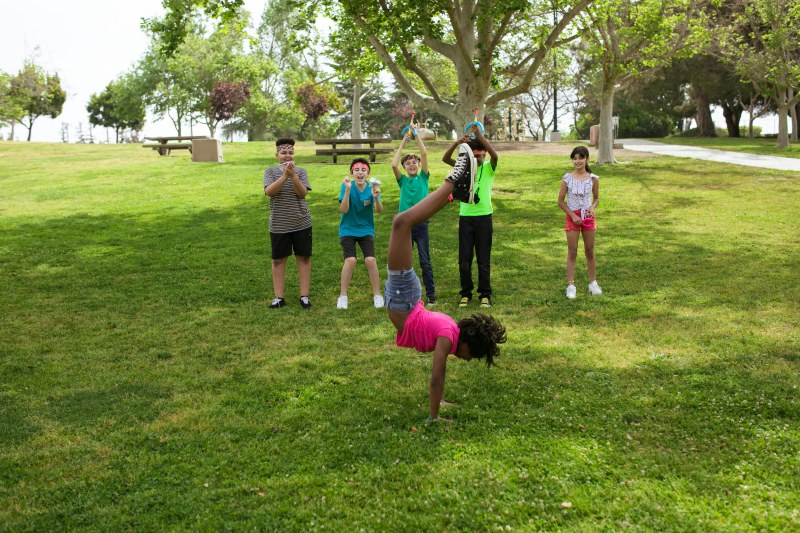
Last month, I was halfway through a 5K run. My legs burned, my lungs felt tight, and I was ready to walk. Then, out of nowhere, my pace picked up. My breathing evened out, and suddenly I felt like I could keep going for miles. That’s the second wind—an unexpected burst of energy that turns a struggle into a stride.
Why Does the Second Wind Happen?
Scientists call this phenomenon the 'lactate threshold shift,' but let’s keep it simple. When you start exercising, your body burns glycogen (stored carbs) for quick energy. As glycogen runs low, your muscles produce lactate, which makes you feel tired. But if you push through that fatigue, your body switches to burning fat for fuel—a slower but more steady source. This transition, combined with a surge of endorphins (your body’s natural painkillers) and a shift in mental focus, gives you that sudden energy boost.
7 Ways to Trigger Your Second Wind
- Slow down, don’t stop: If you’re gasping, drop your pace by 10-15% for 1-2 minutes. This gives your body time to adjust to the fat-burning switch.
- Focus on breathing: Take deep, rhythmic breaths (inhale for 4 counts, exhale for 6). More oxygen means less lactate buildup.
- Visualize your goal: Picture crossing the finish line, lifting that last weight, or finishing your yoga flow. Mental imagery can boost motivation and energy.
- Pre-workout fuel: Eat a small carb-rich snack (like a banana or granola bar) 30 minutes before exercising. This gives your body extra glycogen to delay the fatigue phase.
- Stay hydrated: Dehydration zaps energy fast. Sip water every 15-20 minutes during your workout—even if you don’t feel thirsty.
- Shift your mindset: Replace negative thoughts (“I can’t go on”) with positive ones (“I’m almost there”). Your brain has a huge impact on your physical performance.
- Crank up the music: Upbeat tracks (120-140 BPM) can increase your heart rate and mood, helping you push through the slump.
Quick Fix vs. Second Wind: What’s the Difference?
Not all energy boosts are the same. Here’s how the second wind compares to common quick fixes:
| Aspect | Quick Fix (e.g., energy drink) | Second Wind |
|---|---|---|
| Source of Energy | Caffeine/sugar | Fat metabolism + endorphins |
| Duration | 15-30 minutes (followed by a crash) | 30+ minutes (steady, no crash) |
| Impact on Performance | Temporary jolt, may cause jitters | Sustained energy, improved focus |
| Long-Term Effect | Can lead to dependency | Trains your body to burn fat more efficiently |
Wisdom to Keep You Going
“It does not matter how slowly you go as long as you do not stop.” — Confucius
This quote sums up the second wind perfectly. Pushing through the tough part (without stopping) is the key to unlocking that burst of energy. You don’t have to be fast—you just have to keep moving.
Common Questions About Second Wind
Q: Is the second wind the same as hitting the wall?
A: No. Hitting the wall is when your glycogen is completely depleted, and you feel extreme fatigue (like your legs are made of lead). The second wind comes after that, when your body switches to fat for energy and you feel re-energized.
Q: Can everyone get a second wind?
A: Most people can, but it depends on your fitness level and how you fuel your body. Beginners may need to build up their endurance before experiencing it consistently.
Final Thoughts
The second wind isn’t magic—it’s your body adapting to the challenge. Next time you feel like quitting, try one of these tips. You might be surprised at how much more you can accomplish. Remember: the hardest part is pushing through the slump. The reward? That amazing feeling of energy and pride when you finish strong.