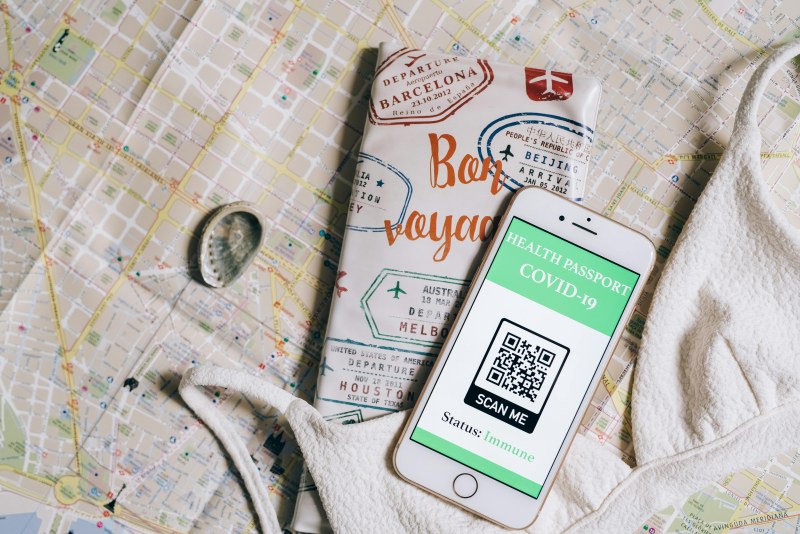
Last year, my friend Lila set a goal to save $5,000 for a European trip by the end of the year. She put $200 in a savings account the first month, but then unexpected car repairs ate into her fund. By mid-year, she’d only saved $800 and felt like giving up. Sound familiar? That ‘savings goals feel impossible’ frustration is something many of us face, but it doesn’t have to be permanent.
Why Savings Goals Feel Out of Reach
Most of the time, this frustration stems from three common issues:
- Unrealistic targets: Setting a goal that’s way beyond your current income (like saving $5k in 6 months on a $3k monthly salary) sets you up for disappointment.
- Lack of structure: Just putting money aside randomly without a plan makes it easy to dip into savings for non-essential purchases.
- Emotional spending: Using savings to cope with stress, boredom, or FOMO (fear of missing out) derails progress faster than you think.
Common Savings Mistakes & Quick Fixes
Let’s break down the most frequent missteps and how to correct them:
| Mistake | Impact | Fix |
|---|---|---|
| Setting an unrealistic goal (e.g., $5k in 6 months) | Demotivation when progress is slow | Split into smaller monthly targets (e.g., $833/month) |
| Not automating savings | Forgetting to save each month | Set auto-transfers from checking to savings on payday |
| Ignoring progress tracking | Losing sight of how far you’ve come | Use a spreadsheet or app to log every deposit |
A Classic Quote to Keep You Going
"A penny saved is a penny earned." — Benjamin Franklin
This timeless saying reminds us that even small savings add up over time. Lila, for example, adjusted her goal to save $50 a week instead of $200 a month. By the end of the year, she had $2,600—enough for a shorter trip to Portugal, which she enjoyed just as much as her original plan.
5 Practical Fixes to Reach Your Savings Goals
1. Break Big Goals Into Tiny Milestones 💡
Instead of aiming for $10k in a year, try $833 per month or $192 per week. Smaller milestones feel achievable and keep you motivated.
2. Automate Your Savings 💰
Set up auto-transfers from your checking account to savings on payday. This way, you won’t have to remember to save— it happens automatically.
3. Track Progress Visually 📊
Use a wall chart, spreadsheet, or app like Mint to see your progress. Lila used a chart where she colored in a section every time she saved $100—watching it fill up kept her going.
4. Adjust for Setbacks Gracefully 🛠️
If an unexpected expense (like car repairs) hits, don’t quit. Reduce your savings for the next month by half instead of stopping entirely. Every little bit helps.
5. Reward Small Wins 🎉
When you hit a milestone (like saving $1k), treat yourself to something small—like a coffee at your favorite shop or a movie night. It keeps morale high and makes saving feel less like a chore.
FAQ: What If I Have Irregular Income?
Q: I work freelance, so my income changes every month. How can I set savings goals then?
A: Use the percentage method—save 10-15% of every paycheck, no matter the amount. On months with higher income, save a little extra to cover slower months. For example, if you earn $2k one month, save $200; if you earn $4k the next, save $600. This builds a buffer for lean times.
Saving money isn’t about being perfect—it’s about being consistent. Whether you’re saving for a trip, emergency fund, or new home, the key is to start small and adjust as you go. Remember, every dollar counts, and even the slowest progress is still progress.