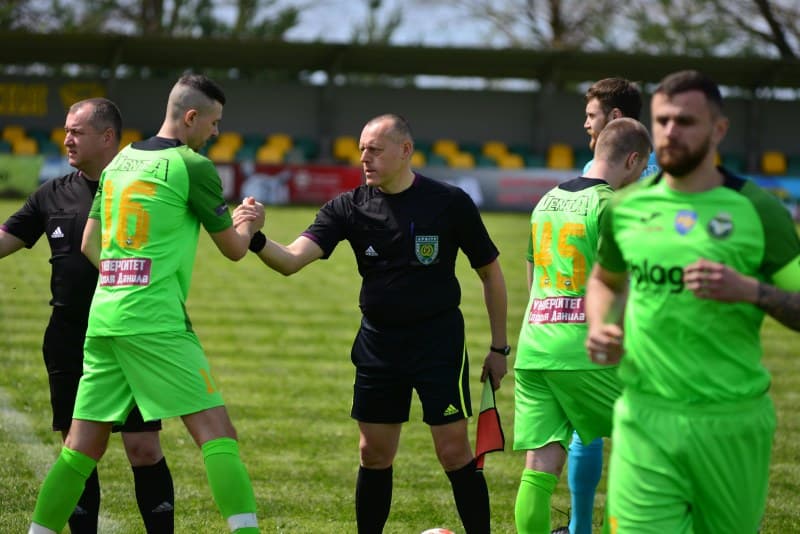
Last weekend, I laced up my old soccer cleats to join a pickup game at the neighborhood park. It had been six months since I’d played, and as I stepped onto the grass, my hands got sweaty, my heart raced, and those familiar butterflies fluttered in my stomach. I wasn’t scared—I was excited, but the nerves felt impossible to ignore. If you’ve ever felt this way before a casual game, you’re not alone.
Why do pre-game butterflies happen?
Those jitters are your body’s fight-or-flight response kicking in. When you’re about to do something that matters (even a casual game!), your brain releases adrenaline. This hormone speeds up your heart rate, sharpens your senses, and gets your muscles ready for action. It’s your body’s way of saying, “Hey, this is important—let’s be prepared!”
Myth busting: Are jitters a sign of weakness?
One of the biggest myths about pre-game nerves is that only inexperienced players feel them. But even pro athletes get jittery. LeBron James has opened up about feeling nervous before big games, and Serena Williams has talked about using her pre-match butterflies to fuel her performance. Nerves don’t mean you’re not good enough—they mean you care.
2 key ways to calm pre-game jitters
You don’t have to let nerves ruin your game. Try these two simple strategies:
1. Focus on the process, not the outcome
Instead of worrying about scoring a goal or making a perfect pass, shift your attention to small, immediate actions. For example: “I’ll keep my eyes on the ball when I receive a pass” or “I’ll stay in my position to support my team.” This takes your mind off the pressure and keeps you present.
2. Use a quick grounding exercise
The 5-4-3-2-1 method is a fast way to calm your nerves. Pause for 30 seconds and name:
5 things you see (e.g., a tree, a teammate’s jersey, the goalpost)
4 things you feel (e.g., your cleats on the grass, the wind on your face)
3 things you hear (e.g., the sound of the ball, laughter, birds)
2 things you smell (e.g., fresh grass, sunscreen)
1 thing you taste (e.g., mint from your gum).
This brings you back to the present moment and reduces anxiety.
Compare the two strategies
Which method is right for you? Here’s a quick comparison:
| Strategy | Effort Level | Time to Work | Best For |
|---|---|---|---|
| Process Focus | Low (mental shift) | Immediate | Players who overthink outcomes |
| 5-4-3-2-1 Grounding | Low (simple steps) | 30 seconds to 1 minute | Players who feel overwhelmed by physical jitters |
A classic quote to remember
Courage is not the absence of fear, but the triumph over it. — Nelson Mandela
This quote reminds us that nerves are normal. You don’t have to eliminate them—you just have to keep going despite them. Those butterflies are a sign you’re ready to challenge yourself.
FAQ: Can jitters help my performance?
Q: Is it possible that pre-game jitters are good for me?
A: Yes! Adrenaline from jitters can boost your reaction time and energy. The key is to channel that energy into focus instead of letting it make you freeze. For example, if your heart is racing, use that extra energy to run a little faster or stay alert for passes.
Next time you feel those pre-game butterflies, remember: they’re not your enemy. They’re a sign you’re ready to play. Try one of the strategies above, and go out there and have fun!