You’ve been there: it’s 2 PM, you just finished a big lunch, and suddenly your eyes feel heavy. Your to-do list stares back, but your brain’s already checking out. That post-lunch slump isn’t just a figment of your imagination—it’s a mix of biology and daily choices. Let’s break down why it happens and how to fight it.
Why the post-lunch slump hits
Several factors combine to make you sleepy after lunch. First, heavy carb-rich meals cause blood sugar to spike then crash, leaving you drained. Second, foods like turkey or eggs contain tryptophan, an amino acid that crosses the blood-brain barrier and turns into serotonin—making you feel calm (and sleepy). Third, your circadian rhythm has a natural dip in the afternoon, amplifying these effects.
Here’s a quick breakdown of the key causes:
| Cause | How It Works | Impact |
|---|---|---|
| Blood Sugar Fluctuation | Carbs break into glucose, spiking blood sugar then crashing. | Sudden energy drop and brain fog. |
| Tryptophan Boost | Amino acid in protein-rich foods converts to serotonin. | Calmness leading to drowsiness. |
| Circadian Dip | Natural 2-3 PM lull in alertness (evolutionary leftover). | Amplifies other slump triggers. |
6 Science-Backed Ways to Beat the Slump
- Take a 10-minute walk: Gets blood flowing and boosts endorphins. Studies show short walks reduce drowsiness by 20%.
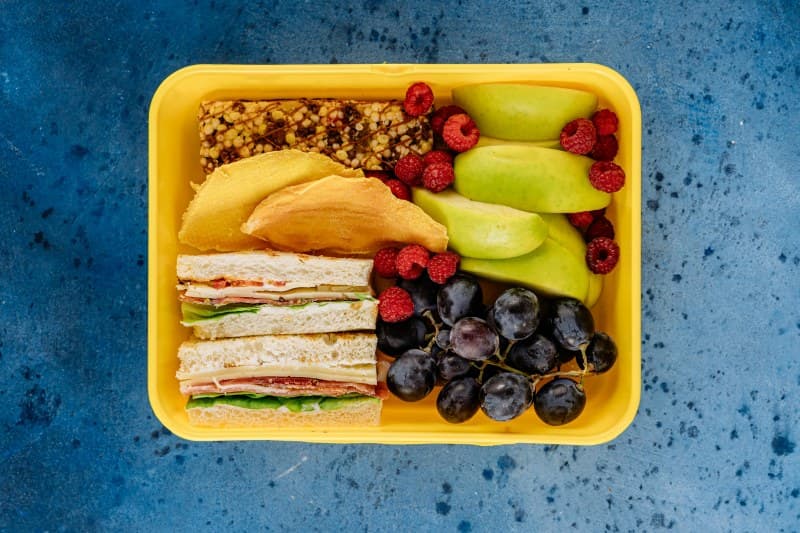
- Choose a protein-rich lunch: Pair grilled chicken/fish with veggies instead of pasta. Stabilizes blood sugar for steady energy.
- Avoid sugary drinks: They cause quick spikes then crashes. Opt for water or unsweetened iced tea.
- Sip green tea: Contains caffeine (less than coffee) plus L-theanine, which boosts alertness without jitters.
- Try a 20-minute power nap: Short naps don’t enter deep sleep, so you wake up refreshed (no grogginess).
- Stretch at your desk: Shoulder rolls, neck tilts, or leg stretches increase blood flow to the brain.
“Eat breakfast like a king, lunch like a prince, dinner like a pauper.” — Traditional Adage
This old saying aligns with modern advice: keeping lunch portions moderate (like a prince) helps avoid the slump caused by overeating. A heavy lunch overtaxes your digestive system, leaving less energy for your brain.
Real-Life Example: Sarah’s Slump Fix
My friend Sarah used to struggle with post-lunch slumps daily. She’d eat a big bowl of pasta for lunch, then spend the afternoon scrolling social media instead of working. When she switched to a grilled chicken salad with quinoa and added a 10-minute walk after eating, her energy stayed steady. Now she finishes her afternoon tasks without hitting a wall.
Common Question: Is a post-lunch nap okay?
Q: Will a nap after lunch make me more tired later?
A: It depends on the length. A 20-30 minute power nap is ideal—it boosts alertness without entering deep sleep, so you won’t feel groggy. Avoid naps longer than 45 minutes, as they can leave you with sleep inertia (that fuzzy, disoriented feeling).
The post-lunch slump doesn’t have to rule your afternoon. By understanding the causes and making small changes—like adjusting your lunch choices or taking a short walk—you can stay alert and productive all day long.