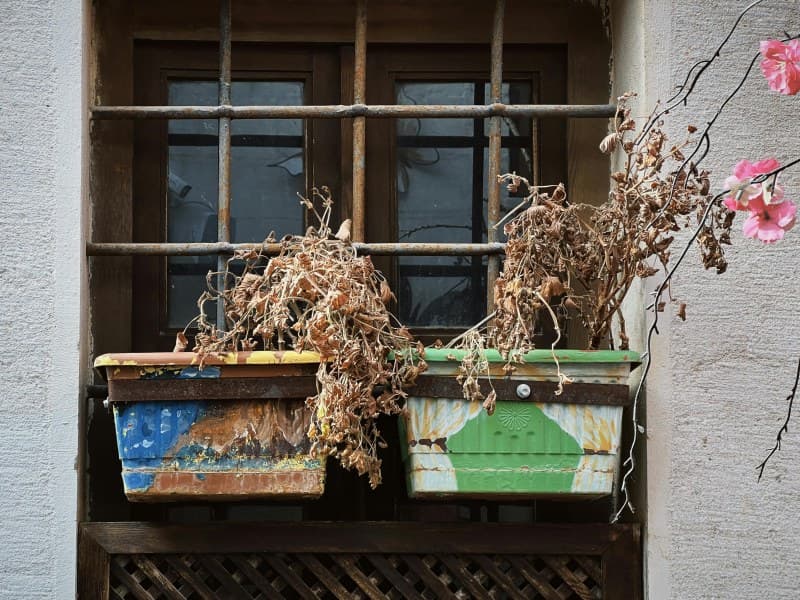
Last month, I came home from a week-long trip to find my favorite pothos looking sad: leaves drooping, soil soggy, and a faint musty smell. I’d overwatered it before leaving, thinking more water would keep it happy. That familiar guilt hit—how could I mess up something so simple? If you’ve been there, you’re not alone.
Why Overwatering Happens (And It’s Not Always Your Fault)
Overwatering isn’t just about pouring too much water. It often stems from small, easy-to-miss mistakes: not checking soil moisture (stick your finger 1-2 inches down—if it’s dry, water), using pots without drainage holes (trapping excess water), overestimating needs (succulents need way less than ferns), or even low light (plants use less water when they’re not getting enough sun).
4 Ways to Save Your Overwatered Plant
Don’t panic—there are simple steps to bring your plant back. Here are four effective methods:
- Repot with fresh soil: Gently remove the plant, shake off soggy soil, trim any brown/mushy roots (use clean scissors), then repot in dry, well-draining soil.
- Air out the soil: Place the plant (still in its pot) on a dry towel in a well-ventilated spot. Leave it for 2-3 days to let excess water evaporate.
- Use a fan: Point a gentle fan at the soil to speed up drying. This works great for small plants in pots.
- Trim damaged leaves: Cut off yellow or brown leaves to reduce stress on the plant. It’ll focus its energy on new growth.
Here’s how these methods compare:
| Method | Time to See Results | Effort Level | Best For |
|---|---|---|---|
| Repot with fresh soil | 1-2 weeks | Medium (needs repotting tools) | Severe root rot cases |
| Air out soil | 2-3 days | Low (no tools) | Mild overwatering |
| Use a fan | 1-2 days | Low (just a fan) | Small potted plants |
| Trim damaged leaves | Immediate (reduces stress) | Low (scissors) | All overwatered plants |
Prevention Tips to Skip the Guilt Next Time
- Always check soil moisture first (finger test is foolproof).
- Use pots with drainage holes—add pebbles at the bottom if you love a decorative pot without holes.
- Water according to the plant’s type: succulents every 2-3 weeks, ferns every 1-2 days (adjust for light).
- Keep a watering schedule (but flex it—plants need less water in winter).
“Nature does not hurry, yet everything is accomplished.” — Lao Tzu
This quote reminds us that plants thrive on patience, not constant attention. Rushing to water (or overwatering) disrupts their natural rhythm. Take it slow, and your plants will thank you.
Common Q&A
Q: Can all overwatered plants be saved?
A: It depends on root rot. If most roots are brown and mushy, it might be too late. But if there are still white, firm roots, follow the revival steps—your plant has a fighting chance. My friend’s snake plant was overwatered for months, but after repotting, it sprouted new leaves in two weeks!
Overwatering is a common mistake, but it’s not the end. With a little care, you can turn that guilt into a green, thriving plant. Happy gardening!