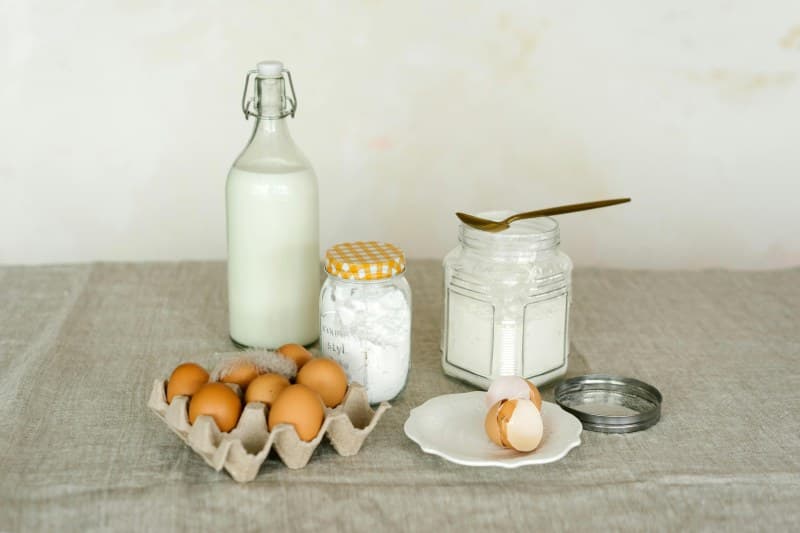
Last weekend, I tried baking chocolate chip cookies for my niece’s birthday. I followed the recipe to the letter—or so I thought. But when I pulled them out of the oven, they were flat, greasy, and spread all over the tray. Sound familiar? If you’ve ever stared at a tray of failed cookies wondering where you went wrong, you’re not alone. Let’s break down why this happens and how to fix it.
Why Do Homemade Cookies Go Wrong? Common Culprits
Cookies are finicky little treats—small changes in ingredients or technique can throw everything off. For example, using butter that’s too soft (melty, not room temp) can make cookies spread too much. Overmixing the dough adds gluten, turning tender cookies into chewy, tough ones. Skipping the dough chill time? That’s a surefire way to get flat, lifeless cookies.
7 Easy Fixes to Bake Perfect Cookies Every Time
Here’s a quick reference table for common cookie issues and their fixes:
| Issue | Quick Fix | Pro Tip |
|---|---|---|
| Flat, spread-out cookies | Chill dough for 1–2 hours (or overnight) | Use cold butter (not melted) to slow spread |
| Chewy, tough cookies | Stop mixing once dry ingredients are combined | Swap all-purpose flour for cake flour for softer texture |
| Burnt edges | Lower oven temp by 25°F (15°C) | Use a light-colored baking sheet to avoid hot spots |
| Undercooked centers | Bake 1–2 minutes longer | Take cookies out when edges are golden—centers will set as they cool |
Let’s dive deeper into the 7 fixes:
- Chill the dough: This slows down butter melting, keeping cookies thick and shaped. Wrap dough in plastic and refrigerate for at least an hour.
- Use room temp butter: Soft (but not melted) butter creamed with sugar traps air, making cookies fluffy. Leave butter out for 30–60 minutes before baking.
- Don’t overmix: Mix until dry ingredients are just combined—overmixing creates gluten, which makes cookies tough.
- Lower oven temp: Most recipes call for 375°F (190°C), but dropping to 350°F (175°C) prevents burnt edges and uneven cooking.
- Measure ingredients correctly: Use a kitchen scale for flour (scooping with a cup can add extra flour, making cookies dry).
- Use the right pan: Light-colored pans distribute heat evenly. Avoid dark pans—they absorb heat and burn edges.
- Let cookies cool on the tray: Leave cookies on the pan for 5 minutes after baking—they’ll firm up before transferring to a rack.
“The only real stumbling block is fear of failure. In cooking, you’ve got to have a what-the-hell attitude.” — Julia Child
Julia was right—baking is all about trial and error. Don’t let a batch of flat cookies stop you from trying again. Small tweaks can turn a disaster into a delicious success.
Real-Life Fix: Sarah’s Flat Cookie Turnaround
My friend Sarah used to avoid baking cookies because hers always turned out flat. She tried adjusting the oven temp and using different flours, but nothing worked. Then she read about chilling the dough. She mixed her favorite chocolate chip recipe, wrapped the dough in plastic, and left it in the fridge overnight. The next day, her cookies were thick, golden, and had that perfect chewy center. She now bakes them every weekend for her family—and they never last long!
FAQ: Your Cookie Baking Questions Answered
Q: Can I use margarine instead of butter for cookies?
A: Margarine has more water than butter, which can make cookies spread more. For best results, use unsalted butter at room temperature. If you must use margarine, choose a stick variety (not tub) with a high fat content (at least 80%).
Q: Why do my cookies taste too sweet?
A: Too much sugar can make cookies overly sweet and cause them to spread. Try reducing the sugar by 1–2 tablespoons. You can also add a pinch of salt to balance the sweetness.
Next time you bake cookies, keep these fixes in mind. With a little patience and practice, you’ll be making perfect cookies that everyone will love. Happy baking! 🍪