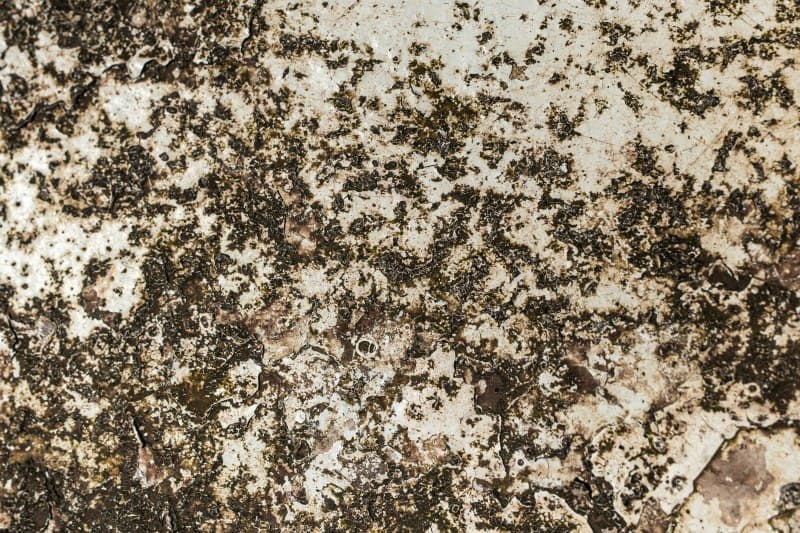
Last week, I stepped into the shower and froze—my white shower curtain had tiny black spots along the bottom edge. I’d just washed it two weeks ago! That moldy curtain frustration hits everyone eventually, but it doesn’t have to be a constant battle.
Why Mold Loves Your Shower Curtain
Mold thrives in warm, damp environments with food to eat. Your shower curtain checks all boxes: moisture from daily showers, organic matter (soap scum, dead skin cells, and body oils), and poor ventilation (closed bathroom doors trap humidity). Even quick showers leave enough dampness for mold spores to grow—especially if the curtain stays bunched up after use.
2 Easy Fixes to Banish Mold
You don’t need harsh chemicals to get rid of mold. Here are two effective, natural methods—compare them to pick what works for you:
| Fix Method | Pros | Cons | Time Needed |
|---|---|---|---|
| Vinegar Soak | Gentle on most fabrics, kills mold naturally, deodorizes | Strong vinegar smell (fades quickly), may need multiple soaks for tough mold | 30 mins (soak) + 1 hour (dry) |
| Baking Soda Paste | Scrubs away stubborn mold, non-toxic, no strong smell | Requires manual scrubbing, may not work on deep-set mold | 15 mins (scrub) + 30 mins (dry) |
For the vinegar soak: Fill a tub with warm water and 1 cup of white vinegar. Submerge the curtain, let it sit 30 minutes, then rinse and hang to dry. For the baking soda paste: Mix 2 parts baking soda with 1 part water, apply to mold spots, scrub gently, then rinse.
An ounce of prevention is worth a pound of cure.
Benjamin Franklin’s old wisdom applies perfectly here. Fixing mold is easy, but preventing it saves time and hassle. Here are quick prevention tips:
- Spread the curtain fully after each shower to let it dry faster.
- Wipe the bottom edge with a damp cloth weekly to remove soap scum.
- Keep the bathroom window open or use a fan during and after showers to reduce humidity.
- Replace plastic liners every 3–6 months (they’re cheaper than replacing the whole curtain).
Common Q&A
Q: Can I use bleach instead of vinegar or baking soda?
A: Bleach is effective, but it can damage fabric curtains and irritate skin. For plastic or vinyl liners, dilute 1 part bleach to 10 parts water, but vinegar or baking soda are gentler, safer alternatives.
Q: How often should I wash my shower curtain?
A: Aim for every 1–2 months. Most fabric curtains are machine-washable (check the label)—add a cup of vinegar to the wash cycle to prevent mold growth.
With these fixes and prevention tips, you can say goodbye to moldy shower curtains for good. No more staring at those unsightly spots—just a fresh, clean curtain every time you step into the shower.