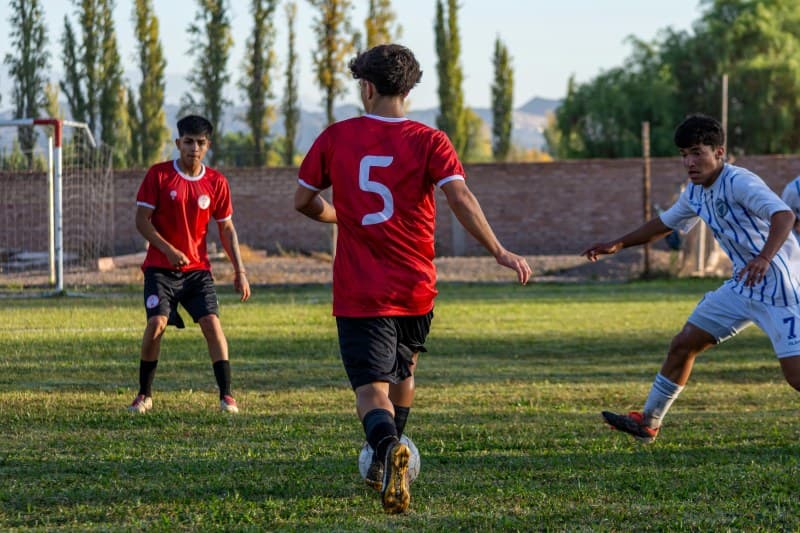
Last month, I joined a weekend pickup soccer game with friends. For the first 20 minutes, I was everywhere—passing, dribbling, even scoring a goal. Then suddenly, my legs felt like lead. I could barely keep up with the ball, let alone the other players. I sat on the bench, gasping, wondering why my energy vanished so fast. If you’ve ever felt that way, you’re not alone.
Why does the mid-game crash hit?
Your body’s energy system is like a car battery—if you don’t charge it right or push it too hard, it dies fast. Here are the top culprits:
- Dehydration: Even a 1% loss of body water can slow you down. Sweating during play depletes electrolytes (sodium, potassium) that your muscles need to function.
- Glycogen depletion: Your muscles store glycogen (sugar) for quick energy. After 30-45 minutes of intense play, those stores run low.
- Insufficient warm-up: Jumping into a game without stretching or light jogging shocks your body, leading to faster fatigue.
- Poor pre-game fuel: Eating too much (heavy carbs, fried foods) or too little (skipping meals) before play throws off your energy balance.
- Lack of consistent training: If you only play once a week, your body isn’t used to sustained effort, so it tires quicker.
5 ways to bounce back fast mid-game
When that energy wall hits, don’t just sit on the bench—try these quick fixes:
- Sip electrolytes: A small bottle of sports drink or coconut water replaces lost salts and helps your body absorb water faster than plain H2O.
- Eat a tiny carb snack: A banana, energy gel, or even a handful of raisins gives your muscles a quick glycogen boost.
- Take an active rest: Walk around for 2 minutes instead of sitting. Stretch your legs and arms to get blood flowing again.
- Reset your breathing: Take 5 deep breaths (inhale for 4 counts, exhale for 6). This calms your heart rate and gets oxygen to your muscles.
- Shift your mindset: Tell yourself, “I can do 10 more minutes.” Positive self-talk reduces mental fatigue, which often worsens physical tiredness.
To help you choose the right fix for your situation, here’s a quick comparison:
| Fix | Pros | Cons |
|---|---|---|
| Electrolyte sip | Fast absorption, fixes cramping | Some drinks have added sugar |
| Tiny carb snack | Longer-lasting energy | May feel heavy if eaten too quickly |
| Active rest | No equipment needed, reduces stiffness | Takes a few minutes away from play |
| Breathing reset | Instant calm, improves oxygen flow | Requires focus (hard if you’re panicking) |
| Mindset shift | Free, boosts mental stamina | Doesn’t fix physical fatigue directly |
Pro tips to prevent crashes long-term
Consistency is key to avoiding mid-game slumps. Here’s how to build habits that keep your energy steady:
- Drink water throughout the day, not just before games.
- Train 2-3 times a week (even 20-minute walks or bodyweight exercises) to build endurance.
- Pre-game meal: Eat a balanced mix of carbs (oats, rice) and protein (chicken, Greek yogurt) 1-2 hours before play.
“It does not matter how slowly you go as long as you do not stop.” — Confucius
This quote isn’t just about finishing a race—it’s about building small, consistent habits. Even 10 minutes of daily exercise can make a big difference in how long you last in a pickup game.
Quick Q&A: Your mid-game crash questions answered
Q: Can I prevent mid-game crashes entirely?
A: Not always—your body has limits. But you can minimize them with proper hydration, pre-game fuel, and consistent training. Even pro athletes hit slumps, but they know how to bounce back fast.
Q: Is it okay to drink coffee before a game?
A: Yes, but in moderation. A small cup (8 oz) 30 minutes before play can boost alertness. Too much coffee can cause jitters or dehydration, so avoid overdoing it.
Next time you feel that mid-game energy crash, remember: It’s not the end of the world. Use these tips to get back in the game, and keep building those consistent habits to play longer and have more fun.