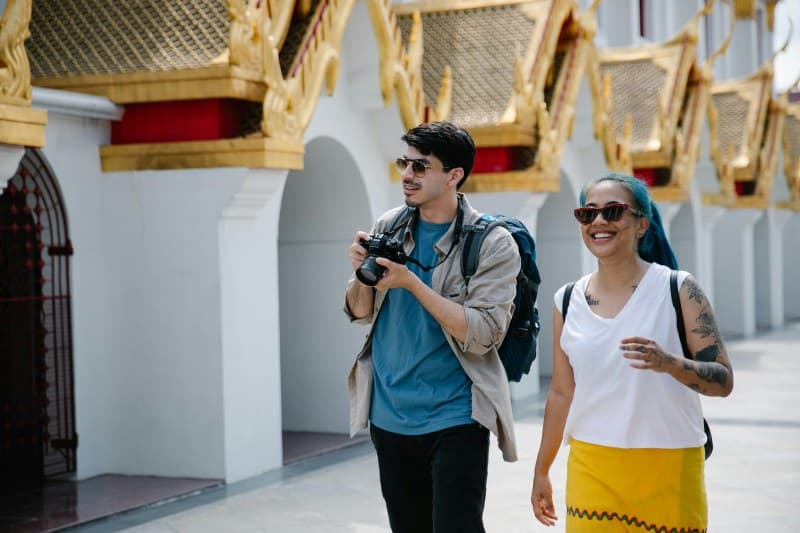
Last year, my friend Lila visited Tokyo. She walked into a tiny neighborhood café, pointed at an iced coffee picture on the menu, and smiled. The barista nodded, but minutes later, she got a steaming hot tea. Lila froze—she didn’t know how to say “ice” in Japanese. Instead of panicking, she drew an ice cube on a napkin and mimed shivering. The barista laughed, corrected the order, and even gave her a free matcha cookie. That awkward moment turned into her favorite travel memory.
Why 'lost in translation' awkwardness hits
It’s not just about missing words. Language barriers mix with cultural nuances: a gesture that’s friendly in your country might be rude elsewhere (like pointing with your finger in some Asian cultures). Or you might misread non-verbal cues—like a local’s quiet smile that means “I don’t understand” instead of “I agree.” Fear of sounding silly also plays a role; many travelers hold back from trying to speak the local language, leading to more confusion.
4 ways to turn awkwardness into connection
You don’t need to be fluent to bridge gaps. Here are four simple methods:
- Visual aids: Use your phone to show photos (e.g., a picture of a train station) or draw on a napkin.
- 3 key phrases: Learn “please,” “thank you,” and one question (like “where is the bathroom?”) in the local language.
- Embrace mistakes: Laugh off mix-ups—locals often appreciate the effort more than perfect grammar.
- Shared activities: Join a cooking class or market tour; doing something together breaks down language barriers.
Here’s how these methods stack up:
| Method | Effort Level | Ideal Scenario | Key Benefit |
|---|---|---|---|
| Visual aids | Low | Ordering food, asking for directions | Quickly gets your point across |
| 3 key phrases | Medium (5 minutes to learn) | Any interaction | Shows respect for the local culture |
| Embrace mistakes | Low (mindset shift) | When you mess up | Turns awkwardness into fun |
| Shared activities | High (plan ahead) | Longer stays | Builds genuine connections |
“To have another language is to possess a second soul.” – Charlemagne
This quote reminds us that even small language efforts open doors. When Lila used her napkin drawing, she wasn’t speaking Japanese—but she was communicating with her heart. The barista didn’t need words to see she was trying, and that’s what mattered.
FAQ: Do I need to learn the local language?
Q: I’m only traveling for a week—do I really need to learn any phrases?
A: No, but even a few words go a long way. A simple “arigatou” (thank you) in Japan or “gracias” in Mexico makes locals feel seen. You don’t have to be perfect; you just have to try.
Final thought
Travel awkwardness isn’t a problem—it’s an opportunity. The next time you fumble with a phrase or misorder food, take a breath and smile. You might just end up with a free cookie, a new friend, or a story you’ll tell for years.